
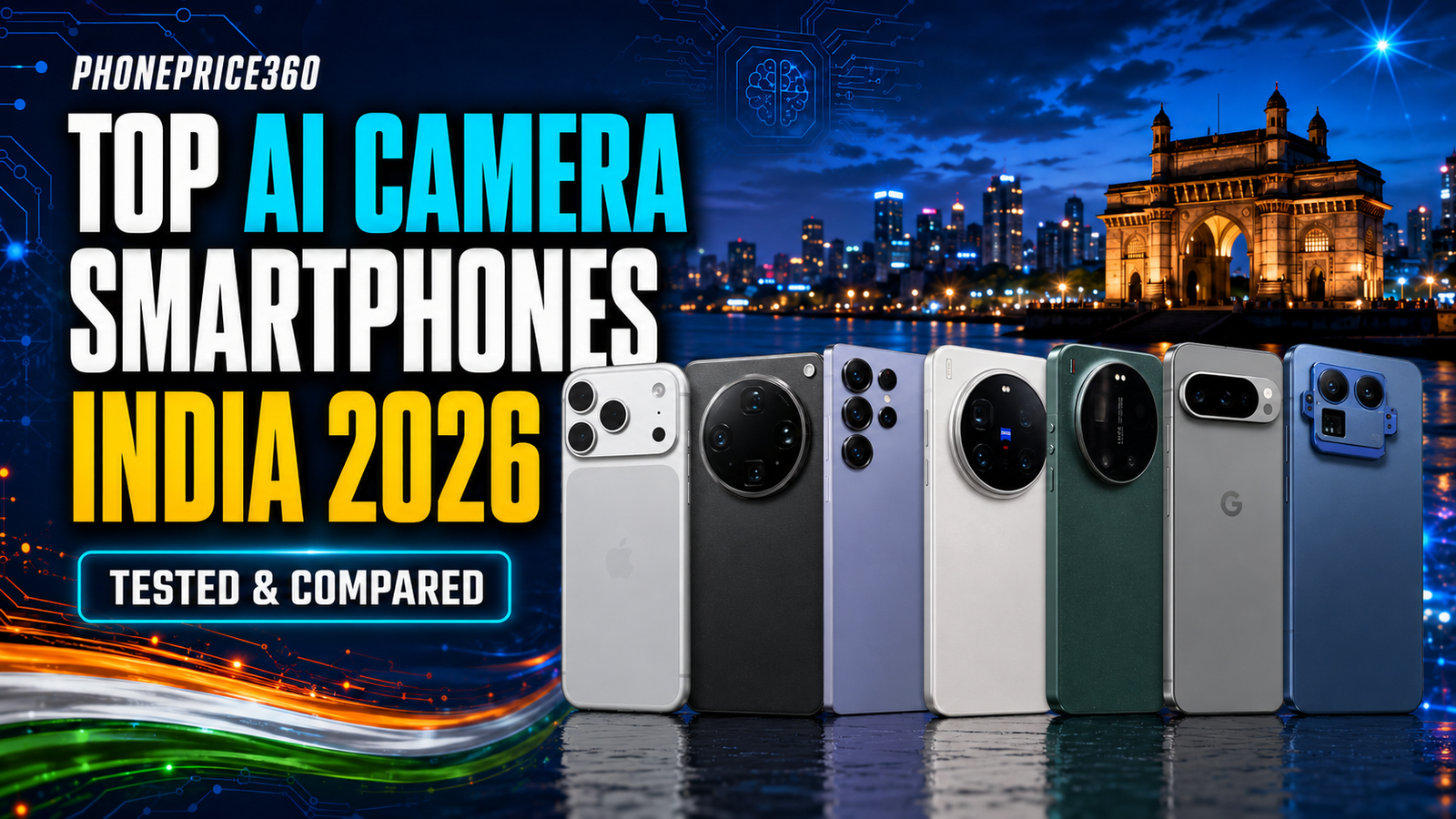
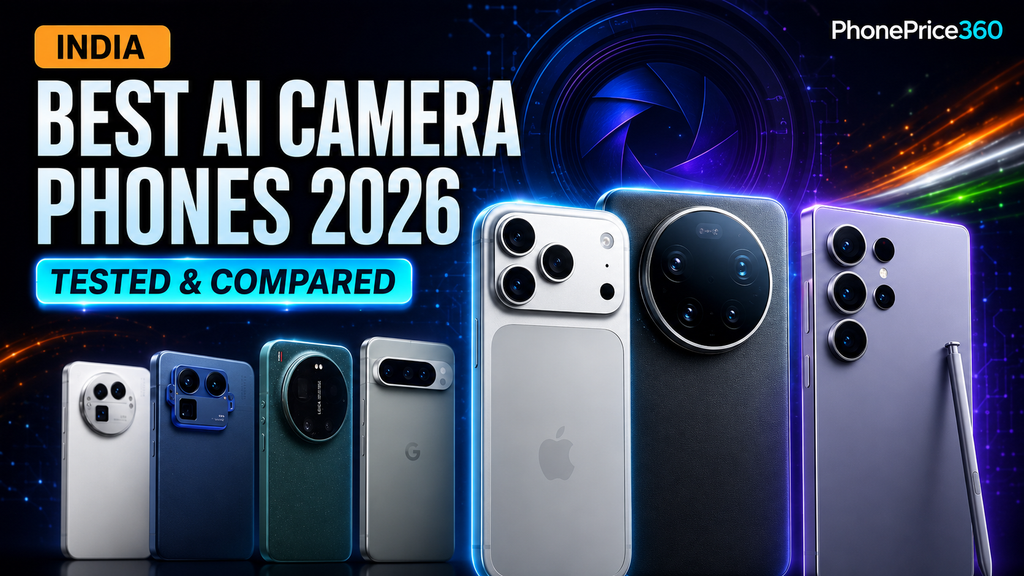
The best AI camera smartphones in India in 2026 are the OPPO Find X9 Ultra for ambitious photography, iPhone 17 Pro Max for reliable photos and professional video, Samsung Galaxy S26 Ultra for all-round Android versatility, and Google Pixel 10 Pro for effortless AI-assisted shooting. Xiaomi, vivo and realme offer stronger choices for buyers who value Leica-style controls, portraits, action shots or flagship camera hardware at a lower price.
The surprising part is that the phone with the biggest megapixel number does not automatically win. Sensor size, lens quality, processing, autofocus, stabilisation and consistency across every camera matter more—and AI can rescue a difficult photo, but it cannot repeal the laws of optics.
Testing transparency: PhonePrice360 did not conduct a new controlled laboratory test for this article. “Tested & Compared” refers to a comparison of official India specifications and prices with published hands-on camera tests from established reviewers. Prices and availability were checked for India on July 22, 2026 and can change with sales, bank offers and storage variants.
Which AI camera phone should you buy in India in 2026?
Choose the OPPO Find X9 Ultra if photography hardware and long-range zoom come first, the iPhone 17 Pro Max if video and predictable results matter most, or the Galaxy S26 Ultra if you want the most flexible Android package. The Pixel 10 Pro remains the easiest recommendation for people who want AI to guide, capture and edit without learning manual controls.
Here is the short version before the camera jargon starts multiplying:
| Award | Recommended phone | India price checked | Why it wins |
|---|---|---|---|
| Best camera hardware overall | OPPO Find X9 Ultra | ₹1,69,999 | Four serious rear cameras, including 3x and true 10x telephotos |
| Best for video | iPhone 17 Pro Max | From ₹1,49,900 | Consistent capture, 4K 120fps Dolby Vision and pro video tools |
| Best all-round Android | Samsung Galaxy S26 Ultra | From ₹1,39,999 | Useful 3x and 5x zoom, strong low-light hardware and deep AI editing |
| Best Leica-style photography | Xiaomi 17 Ultra | ₹1,39,999 | 1-inch main sensor and 75–100mm telephoto system |
| Best for action and portraits | vivo X300 Ultra | ₹1,59,999 | ZEISS optics, 200MP stabilised telephoto and tracking features |
| Best computational AI camera | Google Pixel 10 Pro | ₹1,09,999 | Camera Coach, Add Me, Best Take and dependable point-and-shoot processing |
| Best value camera flagship | realme GT 8 Pro | Around ₹72,999 | 200MP telephoto and RICOH GR-inspired shooting at a lower price |
These are not seven versions of the same answer. A concert photographer needs reach, a parent needs reliable moving-subject capture, and a creator may value stable video more than a dramatic 100x zoom claim.
Readers comparing the whole phone—not only its cameras—should also see PhonePrice360’s guide to the best mobile phones in India in 2026.
How were the top AI camera smartphones compared?
This ranking weighs camera quality, lens flexibility, video tools, AI usefulness, India availability, current price and meaningful weaknesses. Official specifications establish what the hardware can do; independent testing helps reveal whether the results remain consistent outside a launch presentation.
The comparison uses six practical questions:
- Does the main camera preserve detail, colour and highlights in daylight and low light?
- Are ultrawide and telephoto results close enough in colour and exposure to the main camera?
- Does autofocus handle children, pets, sports and other moving subjects?
- Are AI features useful before and after capture, or are they mostly decorative?
- Does video remain stable and consistent while switching lenses?
- Is the camera advantage large enough to justify the India price?
Independent testing does not produce one universal champion. TechRadar’s current camera-phone testing places the iPhone 17 Pro Max first for its balance of photography and video, with the Galaxy S26 Ultra as its most versatile Android pick. Its separate OPPO evaluation praises the Find X9 Ultra’s extraordinary hardware, which shows why a buyer’s use case matters more than one league table.
For a broader global list, see PhonePrice360’s earlier comparison of the best AI camera smartphones in 2026. This guide is different: it focuses on models officially available in India and prices them in rupees.
How do the best AI camera smartphones in India compare?
The OPPO, Xiaomi and vivo models offer the most camera-like hardware, while Apple, Samsung and Google lean heavily on consistent computational processing. Realme delivers the most aggressive price-to-camera ratio, although its software and camera tuning are not as uniformly polished as the costlier leaders.
| Phone | Rear-camera highlights | Optical/optical-quality reach | Standout AI or computational tools | Main compromise |
|---|---|---|---|---|
| OPPO Find X9 Ultra | 200MP main, 50MP ultrawide, 200MP 3x, 50MP 10x | True 3x and 10x telephotos | LUMO portrait processing, AI-assisted workflow and editing | Expensive, heavy; extreme telephoto is not ideal for every moving subject |
| iPhone 17 Pro Max | Three 48MP rear cameras | 4x optical, 8x optical-quality | Photonic processing, subject recognition, Clean Up and Visual Intelligence | Less extreme zoom and fewer playful AI edits than Android rivals |
| Galaxy S26 Ultra | 200MP main, 50MP ultrawide, 10MP 3x, 50MP 5x | 3x and 5x optical, 10x optical-quality | AI Zoom, Nightography processing and prompt-based Photo Assist | Large and costly; aggressive processing may not suit natural-colour fans |
| Xiaomi 17 Ultra | 50MP 1-inch main, 50MP ultrawide, 200MP telephoto | Variable 75–100mm telephoto | AI Creativity tools and Gemini integration | Camera body is bulky; HyperOS takes more adjustment than Pixel software |
| vivo X300 Ultra | ZEISS triple-prime system with 200MP stabilised telephoto | Multi-focal camera design | Tracking, portrait processing and dedicated imaging silicon | Heavy and expensive; more camera controls than casual users need |
| Pixel 10 Pro | 50MP main, 48MP ultrawide, 48MP 5x telephoto | 5x optical; AI-assisted Pro Zoom up to 100x | Camera Coach, Add Me, Auto Best Take, Face Unblur and Night Sight | High-zoom AI can invent or oversmooth fine detail; charging is slow for the class |
| realme GT 8 Pro | 50MP main, 50MP ultrawide, 200MP telephoto | 3x-class periscope with high-resolution crops | AI Video HDR and RICOH GR-inspired colour modes | Ultrawide and software consistency trail the Ultra flagships |
The table also exposes a common buying mistake: “up to 100x” or “120x” is not the same as optical zoom. Once a phone moves beyond its optical range, algorithms enlarge, merge and sometimes reconstruct detail. That can make a distant sign more readable, but it should not be treated as documentary evidence.
Is the OPPO Find X9 Ultra the best camera phone in India?
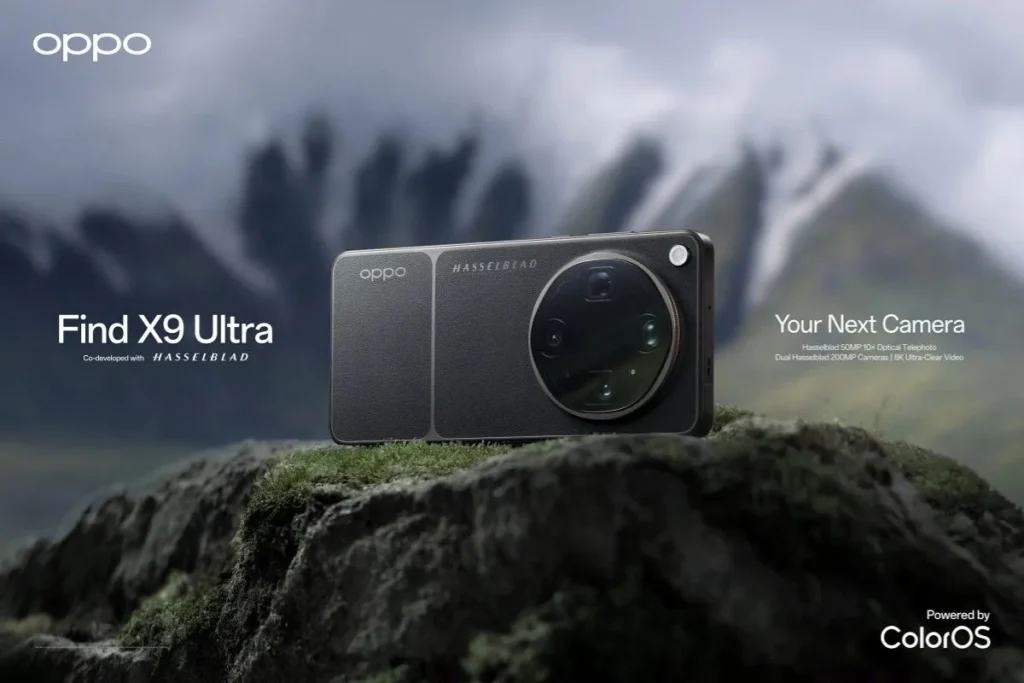
The OPPO Find X9 Ultra is the strongest choice for buyers who want the widest set of serious focal lengths in one phone. It combines two 200MP cameras with a 50MP ultrawide and a dedicated 50MP 10x optical telephoto, giving it unusual reach without relying immediately on extreme digital zoom.
OPPO lists the 12GB/512GB model at ₹1,69,999 in India. Its official Find X9 Ultra camera system includes a 200MP 1/1.12-inch main sensor, a 200MP 3x portrait telephoto and a 50MP 10x telephoto. It also records 8K at 30fps and 4K Dolby Vision at 120fps.
That hardware suits wildlife, architecture, concerts and travel—situations where moving closer is impossible. The 70mm-equivalent portrait camera creates a more natural facial perspective than a cropped main camera, while the 230mm-equivalent 10x lens can isolate genuinely distant subjects.
The trade-off is simple: this is a ₹1.7 lakh, 236g enthusiast device. Independent reviews praise the overall camera system but note that the 10x lens can struggle with movement and poor light. Buy it for deliberate photography and reach, not because every 120x frame will look like it came from a mirrorless camera.
Best for: wildlife, concerts, travel, portrait photographers and creators who use manual or Log workflows.
Avoid if: you want a light phone, the simplest camera app or the strongest value per rupee.
Why is the iPhone 17 Pro Max still the safest video choice?
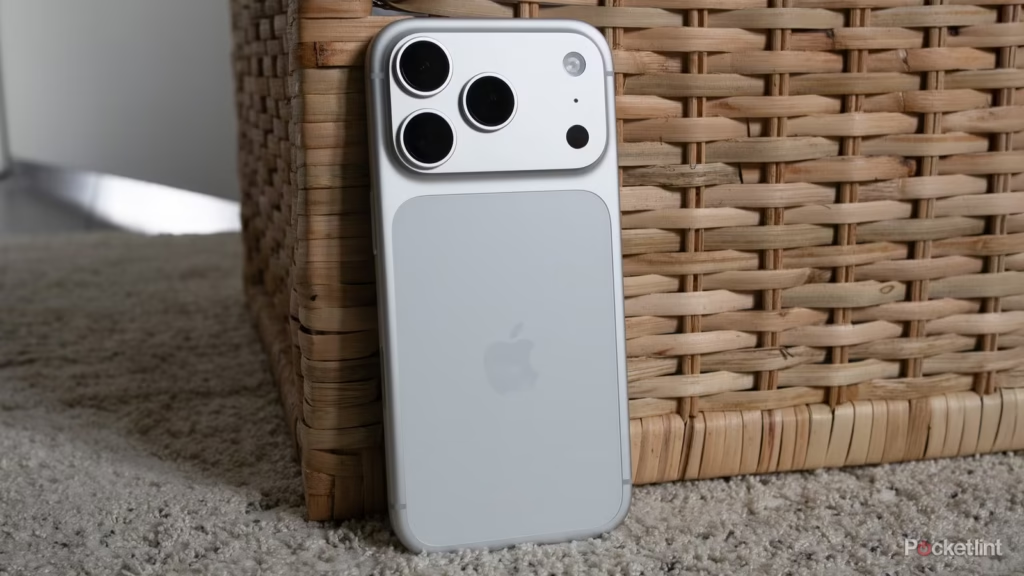
The iPhone 17 Pro Max is the best choice for creators who need stable, predictable video and consistent colour across lenses. It may not offer the longest optical zoom, but it produces dependable footage with fewer surprises from capture to edit.
Apple’s system uses three 48MP rear cameras. The official iPhone 17 Pro specifications confirm a 48MP main camera, 48MP ultrawide and 48MP 4x tetraprism telephoto, plus an 8x “optical-quality” mode created from the telephoto sensor. Video tools include 4K 120fps Dolby Vision, ProRes RAW, Apple Log 2 and Genlock support.
The computational advantage is consistency rather than flashy generative tricks. Exposure, skin tone and motion generally remain coherent when switching lenses, which matters more in a finished video than winning one dramatic still-photo comparison.
Apple’s starting price was checked at ₹1,49,900 for the Pro Max. Buyers who do not need the larger screen can consider the smaller iPhone 17 Pro because the two models share the same rear-camera specifications.
Best for: YouTube, Reels, interviews, family video, professional mobile workflows and Apple users.
Avoid if: you prioritise very long zoom, extensive prompt-based editing or Android flexibility.
Is the Samsung Galaxy S26 Ultra the best all-round AI camera phone?
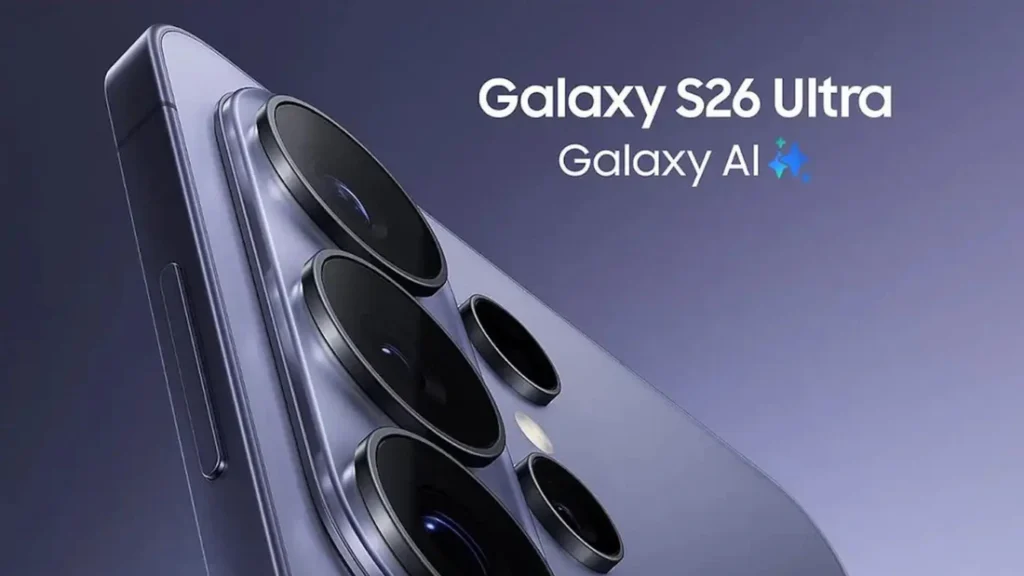
The Galaxy S26 Ultra is the most balanced Android recommendation because it combines four useful rear cameras with powerful editing tools and broad service availability. It does not dominate every individual test, but it covers more shooting situations than most phones without forcing the buyer into specialist hardware.
The Galaxy S26 Ultra camera system uses a 200MP f/1.4 main camera, 50MP ultrawide, 10MP 3x telephoto and 50MP 5x telephoto. Samsung also advertises 10x optical-quality zoom, while AI Zoom processes texture and subject detail at longer ranges.
Its most practical AI feature may arrive after the shutter press. Photo Assist can remove, resize or add objects and accepts natural-language editing instructions. Samsung states that generated images receive a visible watermark, and some features require a Samsung account or network connection—important details that glossy feature lists often omit.
At ₹1,39,999 for 12GB/256GB, it undercuts the OPPO and vivo Ultras while adding an S Pen and a long software-support commitment. Colours can look more vivid than reality, however, and buyers moving from a Galaxy S25 Ultra may find the camera upgrade too small to justify replacing a one-year-old device.
Best for: users who want zoom, editing, low-light flexibility and a complete premium Android phone.
Avoid if: you prefer compact devices, restrained processing or already own a recent Ultra model.
Who should buy the Xiaomi 17 Ultra?
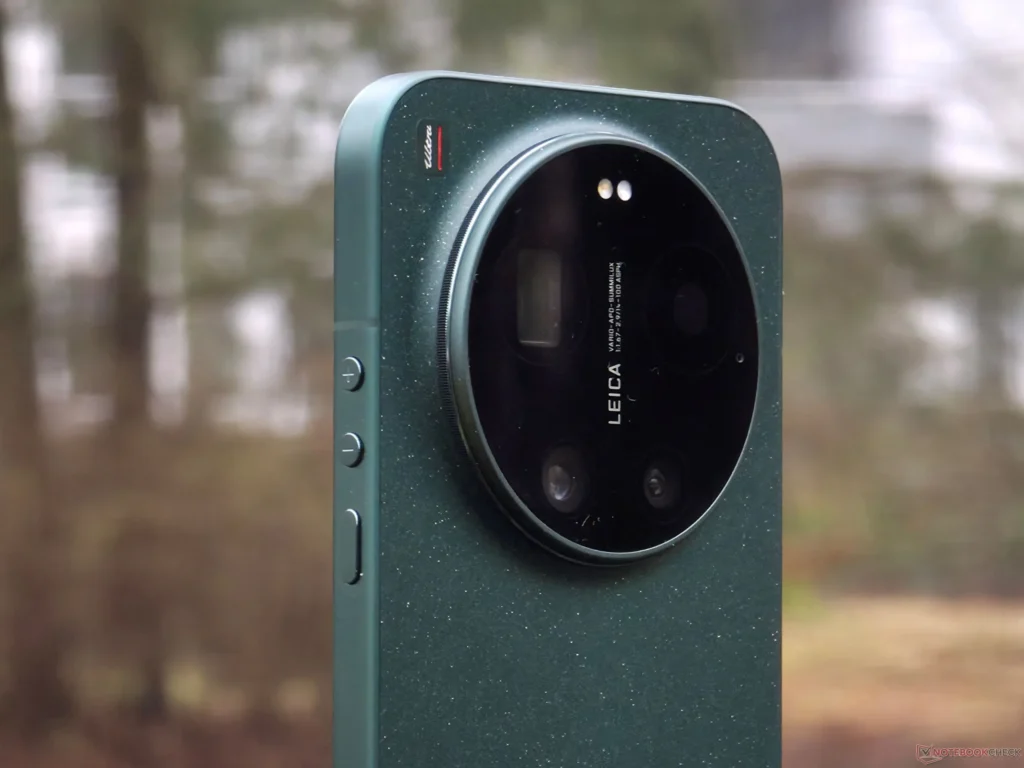
The Xiaomi 17 Ultra is the camera enthusiast’s alternative for ₹1,39,999. Its 1-inch-type main sensor, Leica colour profiles and mechanically complex telephoto design encourage more deliberate photography than a typical tap-and-forget camera phone.
The Xiaomi 17 Ultra camera specifications pair a 50MP 1-inch main camera with a 50MP ultrawide and a 200MP telephoto covering roughly 75–100mm. The main sensor’s large surface area helps collect light, while the telephoto range is useful for portraits, street scenes and close details.
Xiaomi also sells a separate Photography Kit Pro with a two-stage shutter, control dial and additional battery. That accessory will delight enthusiasts and confuse almost everyone else—which is a fairly honest description of this phone’s personality.
AI helps with image editing, search and Gemini-powered visual assistance, but optics remain the reason to buy. The limitations are the large camera bump, a software interface that needs tuning, and the fact that a one-inch sensor does not guarantee the best image if processing or focus misses the moment.
Best for: Leica fans, street photography, portraits and users who enjoy manual control.
Avoid if: you want a slim phone or an uncomplicated point-and-shoot experience.
Is the vivo X300 Ultra better for portraits and action?
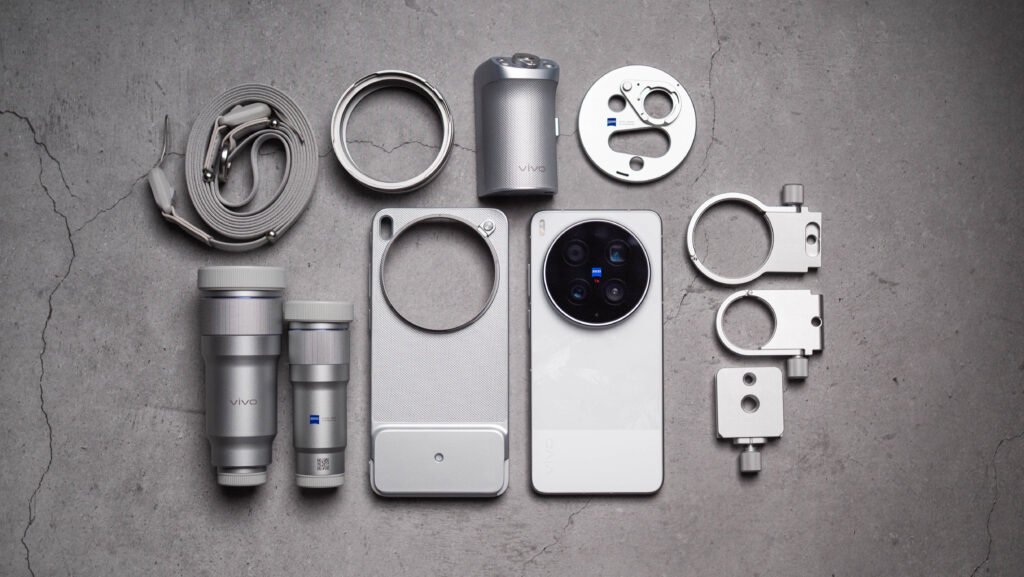
The vivo X300 Ultra is a compelling choice for portraits, action and long-range subjects because it combines ZEISS optics with strong stabilisation and tracking. It sits closer to a pocket camera system than an ordinary lifestyle phone, and its ₹1,59,999 price reflects that ambition.
Vivo’s official India listing highlights ZEISS triple-prime lenses, a 200MP gimbal-grade APO telephoto camera, 60fps autofocus tracking snapshots and multi-focal 4K 120fps Dolby Vision video. A dedicated imaging chip supports the camera pipeline alongside the Snapdragon 8 Elite Gen 5 platform.
Those features are useful when a child runs across a stage, a bird changes direction or a portrait subject refuses to stay perfectly still. The telephoto perspective also keeps faces looking more natural than a close wide-angle shot.
The less expensive vivo X300 Pro deserves consideration at ₹1,09,999. It retains a 200MP 3.5x telephoto and will make more financial sense for most portrait lovers, while the Ultra is for buyers who know why they want its more advanced tracking, video and lens system.
Best for: portraits, events, pets, sports, birds and users who enjoy specialised camera modes.
Avoid if: a lighter body, cleaner software or better value matters more than advanced capture tools.
Does the Google Pixel 10 Pro have the smartest AI camera?
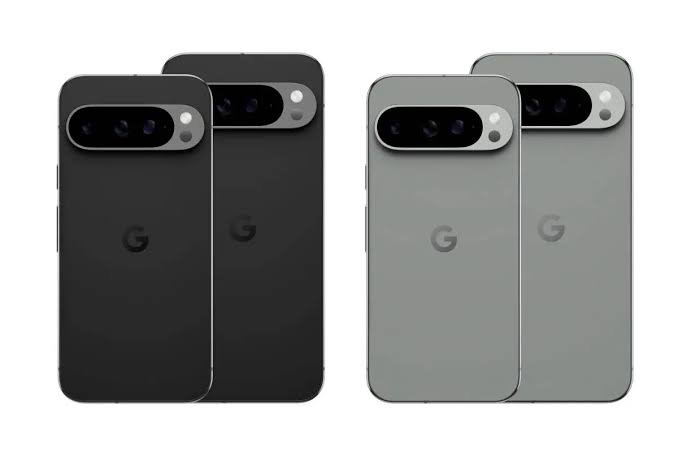
The Pixel 10 Pro offers the most helpful AI-assisted camera experience for casual photographers. Instead of only fixing a photo later, features such as Camera Coach can guide composition, while Add Me and Auto Best Take solve common group-photo problems.
Google’s Pixel camera specifications and feature list include a 50MP main camera, 48MP ultrawide, 48MP 5x telephoto, Pro Zoom up to 100x, Camera Coach, Add Me, Night Sight, Face Unblur and Auto Best Take. The phone was listed from ₹1,09,999 in India when checked.
This is the phone to choose when the camera must work quickly without a lesson in focal lengths. Pixel processing is especially good at recovering faces, balancing difficult scenes and producing a usable photo with minimal effort.
There is a necessary warning: AI-enhanced extreme zoom is an interpretation, not a clean optical record. Published tests have found that detail can look artificial at very high zoom levels. Stay near the optical range when accuracy matters, and use 100x as an occasional tool rather than the default.
Best for: families, travel, group photos, night shots and users who want guidance instead of manual controls.
Avoid if: you need the fastest charging, heavy gaming performance or natural detail at extreme zoom.
Is the realme GT 8 Pro the best-value AI camera flagship?
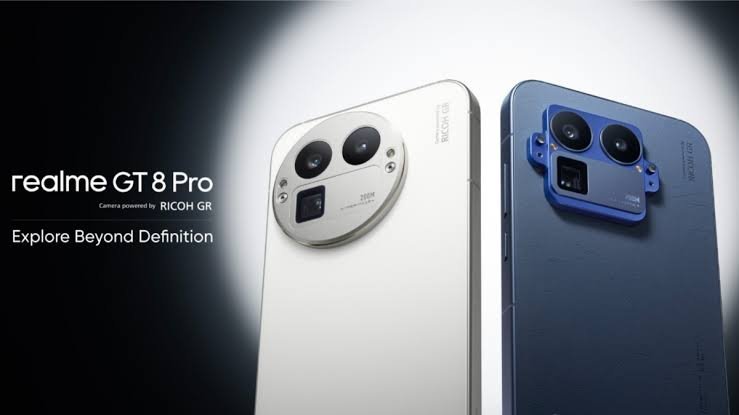
The realme GT 8 Pro offers the strongest value in this premium group, starting around ₹72,999 before limited bank discounts. It brings a 200MP telephoto and RICOH GR-inspired street-photography modes to a price where rivals often provide weaker secondary cameras.
The rear system combines a 50MP main camera, 50MP ultrawide and 200MP periscope telephoto. Its GR modes focus on preset focal lengths, fast snapshots and distinctive colour styles rather than simply making every photo brighter and sharper.
Realme also uses AI Video HDR and computational processing, but buyers should treat this as an affordable camera flagship—not a perfect substitute for an OPPO Ultra or iPhone Pro. Software refinement, heat under heavy loads and ultrawide consistency remain more noticeable compromises.
The value calculation is still persuasive. A buyer can save roughly ₹37,000 versus a Pixel 10 Pro and much more versus the Ultra flagships, then spend part of the difference on a tripod, microphone, light or an actual weekend trip to photograph.
Best for: value-focused enthusiasts, street photography, telephoto shots and buyers under ₹80,000.
Avoid if: you demand the most polished software, the best ultrawide camera or seamless professional video.
Budget buyers should not stretch to a ₹70,000 phone only for the word “AI.” PhonePrice360’s best phone under ₹20,000 guide explains how OIS, processing and a reliable main sensor matter more than weak extra cameras or inflated megapixel claims.
What does AI actually do in a smartphone camera?
AI improves capture, processing, selection and editing, but brands use the label for very different jobs. The most valuable tools solve a real photographic problem; the least valuable ones create an impressive demo that rarely helps after launch week.
AI before the photo
Before capture, AI can recognise subjects, recommend framing, track movement and select focus or exposure. Pixel Camera Coach gives composition guidance, while vivo’s tracking features and Samsung’s scene processing aim to keep difficult subjects sharp.
This is useful because the best photo often depends on timing. Removing an unwanted object later is convenient, but it cannot fully replace a properly focused face at the decisive moment.
AI during capture
During capture, the phone combines multiple frames with different exposures, focus points or shutter timings. This computational photography can reduce noise, protect highlights, sharpen faces and stabilise a scene that one tiny sensor could not record cleanly in a single frame.
Every major phone in this list uses this technique, even when the camera app never displays an “AI” badge. Apple and Google often make the process feel invisible; Samsung, OPPO, vivo and Xiaomi expose more modes and controls.
AI after the photo
After capture, AI can remove distractions, choose better faces, expand a frame, unblur a subject or generate new objects. Samsung Photo Assist and Google’s editing suite are especially broad, while Apple takes a more restrained approach.
Generated edits raise an authenticity question. Keep the original file when a photo documents news, evidence, a product defect or any event where accuracy matters. A beautiful AI reconstruction can be useful art and poor proof at the same time.
How should you choose the best camera phone for your needs?
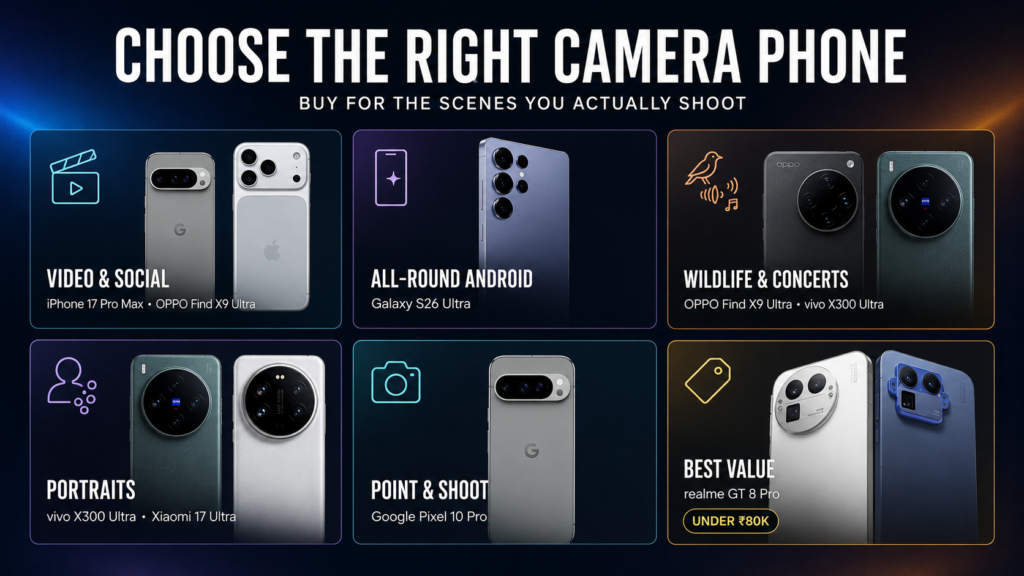
Choose by the scenes you actually shoot, not by the longest specification sheet. A consistent 5x camera is more valuable than a shaky 120x mode if most of your photos are portraits, food, pets or family events.
- For video and social content: Choose iPhone 17 Pro Max. OPPO Find X9 Ultra is the more flexible Android filmmaking option.
- For all-round Android use: Choose Galaxy S26 Ultra for its camera range, editing tools, service network and long-term ownership value.
- For wildlife and concerts: Choose OPPO Find X9 Ultra for true 10x optics; consider vivo X300 Ultra for tracking and telephoto action.
- For portraits: Choose vivo X300 Ultra or Xiaomi 17 Ultra. Their telephoto focal lengths give faces better perspective and separation.
- For simple point-and-shoot photos: Choose Pixel 10 Pro. It asks the least from the photographer.
- For value under ₹80,000: Choose realme GT 8 Pro, but accept less polished software and secondary-camera consistency.
Before paying, test the camera in a physical store if possible. Photograph a face near a bright window, switch between every lens, record while walking, focus on a moving subject and check skin tones—not just the colourful display demo under showroom lighting.
You can also use PhonePrice360’s phone specification finder to compare sensor, storage, display, battery and connectivity details before creating a shortlist.
Final verdict: Which AI camera smartphone wins?
The OPPO Find X9 Ultra wins for photography hardware, the iPhone 17 Pro Max wins for video and consistent everyday results, and the Samsung Galaxy S26 Ultra is the best-balanced premium Android. The Google Pixel 10 Pro remains the smartest point-and-shoot choice, while Xiaomi and vivo serve enthusiasts who want more optical character and control.
For value, the realme GT 8 Pro is difficult to ignore. It does not match every camera or software detail of the ₹1.4–₹1.7 lakh leaders, but it proves that a capable telephoto system no longer requires the highest possible flagship price.
The right winner is the phone that handles your most important scene reliably. Decide whether that scene is a child running indoors, a singer across a stadium, a portrait at sunset or a handheld video—and buy for that reality, not for the largest number printed beside the word “zoom.”
Frequently Asked Questions About AI Camera Phones
Simple answers about camera quality, AI processing, video recording, zoom, megapixels and choosing the right camera phone in India.
The OPPO Find X9 Ultra is the strongest photography-first choice, while the iPhone 17 Pro Max is the best-balanced phone for still photography and video.
The Galaxy S26 Ultra is a strong all-round Android option, while the Pixel 10 Pro offers a simple AI-assisted photography experience.
The iPhone 17 Pro Max is one of the most dependable options for video because of its stabilisation, consistent colours and smooth switching between lenses.
It also provides professional video features for creators who want greater control over recording and editing.
The realme GT 8 Pro is a camera-focused option under ₹1 lakh and includes a high-resolution telephoto camera.
Buyers who prefer simpler image processing may also consider a discounted Google Pixel phone.
No. A higher megapixel count does not automatically produce a better photograph.
Sensor size, lens quality, autofocus, image stabilisation and software processing are also important. A well-tuned 50MP camera can outperform a poorly implemented 200MP camera.
No. Optical zoom captures real detail through the camera lens, while AI zoom enlarges and enhances an existing image.
AI zoom can make distant objects look clearer, but it cannot fully recover information that the camera did not capture.
Wait when your current phone works well and you want to compare upcoming models before purchasing.
Buy now when a current phone meets your requirements and is available at a fair price. Upcoming features and rumours are not guaranteed.
AI can recognise scenes and automatically adjust brightness, colour, focus, HDR, skin tones and noise reduction.
It can also support editing features such as object removal, image expansion, automatic reframing and background adjustments.
A good low-light camera phone should have a large sensor, a bright lens, optical image stabilisation and effective night processing.
It should produce bright images without excessive noise, artificial sharpening or unnatural colours.
Sensor size is often more important, especially in low-light conditions.
A larger sensor can collect more light and improve dynamic range, detail and noise control. However, lens quality and image processing are also important.
Some AI camera phones produce natural-looking photos, while others use stronger colours, sharpening and skin smoothing.
Check real camera samples before purchasing because image processing styles differ between brands.
Check sensor size, aperture, optical image stabilisation, autofocus, optical zoom range and video recording options.
You should also compare ultrawide quality, front-camera quality, night photography and software support.
Optical image stabilisation is highly useful for night photography, handheld video and telephoto shots.
It reduces the effect of small hand movements and helps produce sharper images in difficult lighting.
AI-edited photos should not automatically be treated as reliable evidence because AI tools can remove, change or generate visual details.
Keep the original unedited image when authenticity is important for legal, insurance, journalistic or workplace purposes.
RAW photography provides more control over brightness, colour, highlights, shadows and noise during editing.
However, RAW files require editing and may not immediately look better than the phone’s processed JPEG or HEIF image.
A 256GB phone is a practical choice for users who regularly take photos and record video.
Consider 512GB when you frequently record 4K video, shoot RAW images or keep files on the phone for long periods.
A premium camera phone can replace a dedicated camera for many everyday users because it is portable and easy to use.
DSLR and mirrorless cameras remain better for interchangeable lenses, larger sensors, professional controls and specialised photography.
Autofocus helps produce sharper selfies, group photos and vlogging videos at different distances.
It is especially useful for content creators who frequently use the front camera for video.
Compare real photos and videos captured during daylight, indoors, at night and while using zoom.
Check skin tones, fine details, portrait separation, autofocus, video stabilisation and image quality across every camera lens.







1 thought on “Top AI Camera Smartphones in India (2026): Compared and Ranked”