
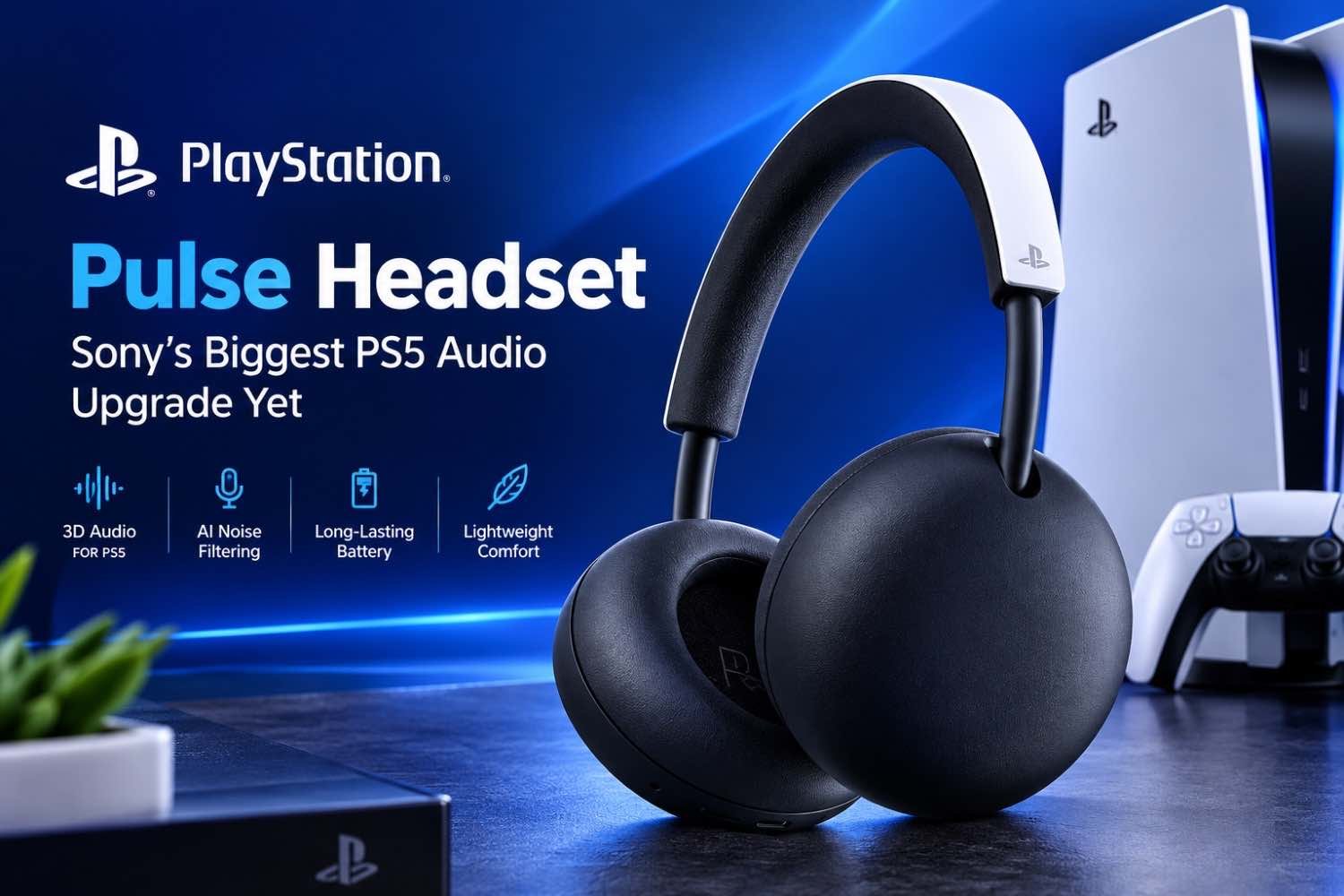
Sony has officially pulled the cover off the PlayStation Pulse Wireless Headset and the premium Pulse Edge Wireless Headset, and this is the most significant refresh the PS5 audio lineup has seen since 2024.
Both headsets move to larger custom planar magnetic drivers, both get AI-enhanced noise rejection on the mic, and both drop the old fixed-earcup design for a folding, lay-flat build. The standard Pulse arrives in select markets during the 2026 holiday season. The Pulse Edge follows in early 2027.
Sony announced the lineup on September 15, 2026, via a post on PlayStation.Blog written by Joe Bentley, Vice President of Engineering at Sony Interactive Entertainment. Here’s everything that actually matters, minus the marketing fog.
What exactly did Sony announce?
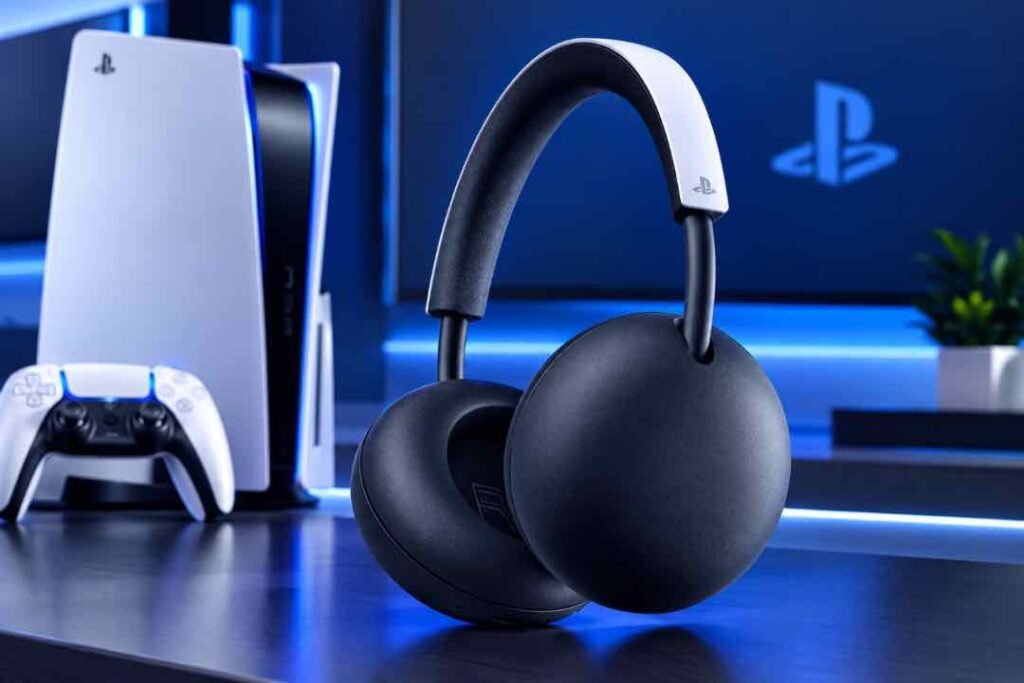
Sony revealed two headsets, not one. The PlayStation Pulse Wireless Headset replaces the long-running Pulse 3D, and the Pulse Edge Wireless Headset succeeds the Pulse Elite.
Think of it as a good/better split rather than a generational leap. The standard Pulse takes the planar magnetic technology that used to be a premium-only feature and pushes it down into the mainstream tier. The Edge then stacks noise cancellation, a detachable boom mic, and a carrying case on top.
Sony has not announced pricing, pre-order dates, or exact launch dates for either model yet. The company says those details are coming “soon,” which in PlayStation-speak historically means four to eight weeks before release.
You can see the official product listing on the PlayStation Pulse Wireless Headset page.
What makes the new PlayStation Pulse different from the Pulse 3D?
The headline change is the driver. The Pulse 3D used conventional dynamic drivers; the new PlayStation Pulse uses custom studio-inspired planar magnetic drivers with four magnets per driver.
That’s not a spec-sheet flex. Planar magnetic drivers use a thin, flat diaphragm driven evenly across its entire surface, which typically produces faster transients and less distortion than a traditional cone driver. In plain terms: footsteps, reloads, and reverb tails stop smearing into each other.
Sony specifically calls out competitive first-person shooters as the use case, saying the design makes it easier to pinpoint directional cues. Anyone who has died to an unheard flank in Call of Duty understands why that sentence exists.
Does the bass actually improve?
Yes, and Sony is unusually direct about it. The company says the larger planar drivers create “fuller, deeper bass” while keeping the clean, separated sound Pulse Elite owners liked.
This addresses the single most common criticism of the Pulse Elite. Planar drivers are famously precise but can sound thin in the low end compared to dynamic drivers. Going bigger is the standard engineering fix, and it’s the right call.
What about the design?
The new Pulse gets rotating earcups that let the headset lay flat. It’s a small change that makes a real difference for anyone who travels with a PlayStation Portal or tosses their headset in a backpack.
Both models ship in White and Midnight Black, matching the current PS5 accessory palette.
What is PlayStation Link, and why should you care?
PlayStation Link is Sony’s proprietary wireless audio protocol, and it’s the quiet reason these headsets are worth paying attention to.
It delivers lossless, ultra-low-latency audio and lets you switch between supported devices without re-pairing. Supported hardware includes PS5 consoles, the PlayStation Portal remote player, PC, and Mac. A USB Type-C adapter is included in the box with both headsets.
Crucially, both models can connect to a Bluetooth device at the same time. So you can run game audio over PlayStation Link from your PS5 while taking a Discord call or a phone call over Bluetooth, without unplugging anything.
That dual-connection setup is something most rival gaming headsets charge a premium for, and it’s standard here on both tiers.
How is the Pulse Edge different from the PlayStation Pulse?
The Pulse Edge is the premium model, and the gap between the two is wider than the naming suggests. Here is the official breakdown Sony published:
| Feature | PlayStation Pulse | Pulse Edge |
|---|---|---|
| Planar magnetic drivers | 4 magnets per driver | 8 magnets per driver |
| PlayStation Link | USB-C adapter included | USB-C adapter included |
| Microphone | Integrated, AI noise rejection | Hidden/detachable boom mic, AI noise rejection |
| Built-in volume control | Yes | Yes |
| Game/chat balance control (PS5) | — | Yes |
| Active noise cancellation | — | Yes |
| Carrying case | — | Yes |
| Audio/mic jack | — | Yes |
The magnet count is the big one. Double the magnet volume means stronger, more consistent force across the diaphragm, which Sony says delivers richer and deeper bass without losing detail.
The detachable boom mic is the sleeper feature. When you pull the boom off, a hidden built-in mic takes over, so you never lose chat entirely. That’s genuinely clever, and it solves the classic “I left my boom mic at home” problem.
Active noise cancellation is new to the Pulse line as well. Neither the Pulse 3D nor the Pulse Elite offered it on a headset, though the Pulse Explore earbuds did.
When is the PlayStation Pulse Headset releasing?
The PlayStation Pulse Wireless Headset launches in select markets during the 2026 holiday season. The Pulse Edge Wireless Headset launches in early 2027.
Sony has not confirmed specific dates, and the phrase “select markets” is doing heavy lifting. Expect the US, UK, Japan, and major European markets first, with India and other regions following in a second wave, which is the pattern Sony used for the Pulse Elevate speakers.
For reference, Sony announced the Pulse Elevate wireless speakers with pre-orders opening September 1, 2026, and a November 12, 2026 release. If the headset follows a similar runway, pre-orders could open in October.
How much will the PlayStation Pulse cost?
Sony hasn’t announced pricing. But the existing Pulse lineup gives us a reliable frame.
The Pulse Elite launched at $149.99, the Pulse Explore earbuds at $199.99, and the Pulse Elevate speakers at $219.99 in the US. The outgoing Pulse 3D sat at $99.99.
Based on that ladder, a launch price in the $129–$169 range for the standard Pulse and $179–$219 for the Pulse Edge is the realistic expectation. Treat that as an educated estimate, not a leak.
One factor worth flagging: Sony raised PS5 hardware prices globally on April 2, 2026, pushing the PS5 Slim to $649.99 in the US. Accessory pricing has trended upward alongside it, so the lower end of those ranges may be optimistic.
Is this a big deal, or just another accessory refresh?
It’s a bigger deal than it looks, for one structural reason: the PS5 is deep into its lifecycle, and accessories are where Sony now grows.
Sony shipped 93.7 million PS5 consoles worldwide as of March 31, 2026, according to its FY2025 financial results filed with the SEC on May 8, 2026. But Q4 shipments were just 1.5 million units, the console’s weakest quarter ever and down roughly 46% year over year.
When hardware growth flattens, the installed base becomes the business. Ninety-three million consoles is an enormous pool of potential headset buyers, and Sony refreshing its entire audio lineup in a single year — speakers in November, headset at holiday, Edge in early 2027 — is not a coincidence.
The honest read: this is Sony maximizing revenue per existing player. That’s fine, as long as the products are good, and on paper these look good.
Who should buy which model?
Buy the standard PlayStation Pulse if you mainly play on PS5 at home, you want planar magnetic sound without the premium tax, and you don’t need noise cancellation. It’s the volume seller for a reason.
Buy the Pulse Edge if you play in a noisy room, you stream or use voice chat heavily, or you travel with a PlayStation Portal. ANC, the detachable boom mic, and the carrying case only matter if your environment demands them, but if it does, they matter a lot.
Stick with your Pulse Elite if you bought one in the last 18 months. The Edge is an improvement, not a revolution, and Pulse Elite units have been hitting discounts as low as $109 during Sony’s Days of Play sales.
Frequently asked questions
Does the PlayStation Pulse work with PS4?
Sony lists PS5, PlayStation Portal, PC, and Mac as PlayStation Link devices. PS4 is not mentioned. Bluetooth connectivity may offer partial compatibility, but confirm before buying if PS4 is your main console.
Does it support Tempest 3D AudioTech?
Sony’s announcement emphasizes spatial accuracy and directional cues on PS5, consistent with Tempest 3D support across the Pulse range. Full compatibility details should land with the official spec sheet.
Can I use it on Xbox or Nintendo Switch 2?
Not via PlayStation Link, which is a Sony-proprietary protocol. The Pulse Edge includes an audio/microphone jack, so a wired connection is possible. The standard Pulse does not list a jack.
Is the battery life confirmed?
No. Sony has not published battery figures for either headset. The Pulse Elite managed around 30 hours, so expect something in that neighbourhood.
The verdict
Sony just made planar magnetic audio its default rather than its luxury option, and that’s the real story here. The standard PlayStation Pulse inherits technology that cost $149.99 two years ago, and the Pulse Edge pushes the ceiling higher with ANC and a smarter microphone system.
The only genuine unknown is price, and that’s the variable that decides whether this lineup is a win for players or just a win for Sony’s margins. We’ll know within weeks.
If you’re shopping this holiday season, the standard Pulse is the one to watch. If you can wait until early 2027 and your room is loud, the Edge is worth holding out for.
Sources: PlayStation.Blog official announcement (September 15, 2026); PlayStation official product page; Sony Group Corporation FY2025 Consolidated Financial Results (SEC Form 6-K, May 8, 2026).
Read More:
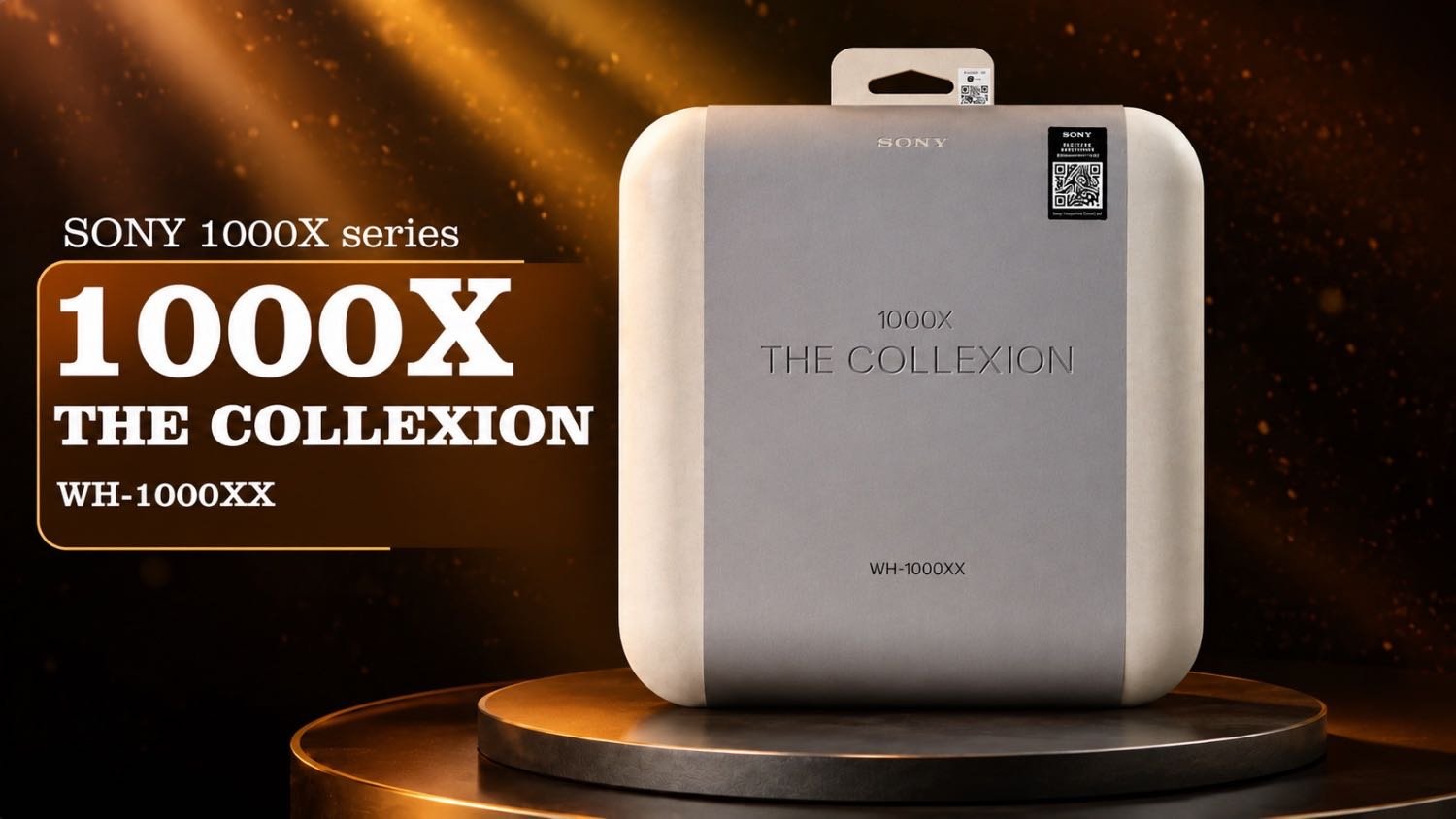
Sony Just Changed Headphones Forever — 1000X Collection Unboxing & First Look
PlayStation PULSE Headset: Key Facts
Product information reviewed against Sony’s official PlayStation product page.
Designed for rich, detailed sound with deeper bass and immersive audio.
Supports immersive 3D Audio experiences through PS5 Tempest 3D AudioTech.
The built-in microphone uses AI-enhanced noise rejection for clearer voice chat.
Bluetooth and PlayStation Link connectivity provide flexible device support.
Features and specifications shown above are based on information published by PlayStation. Availability and individual product experience may vary.
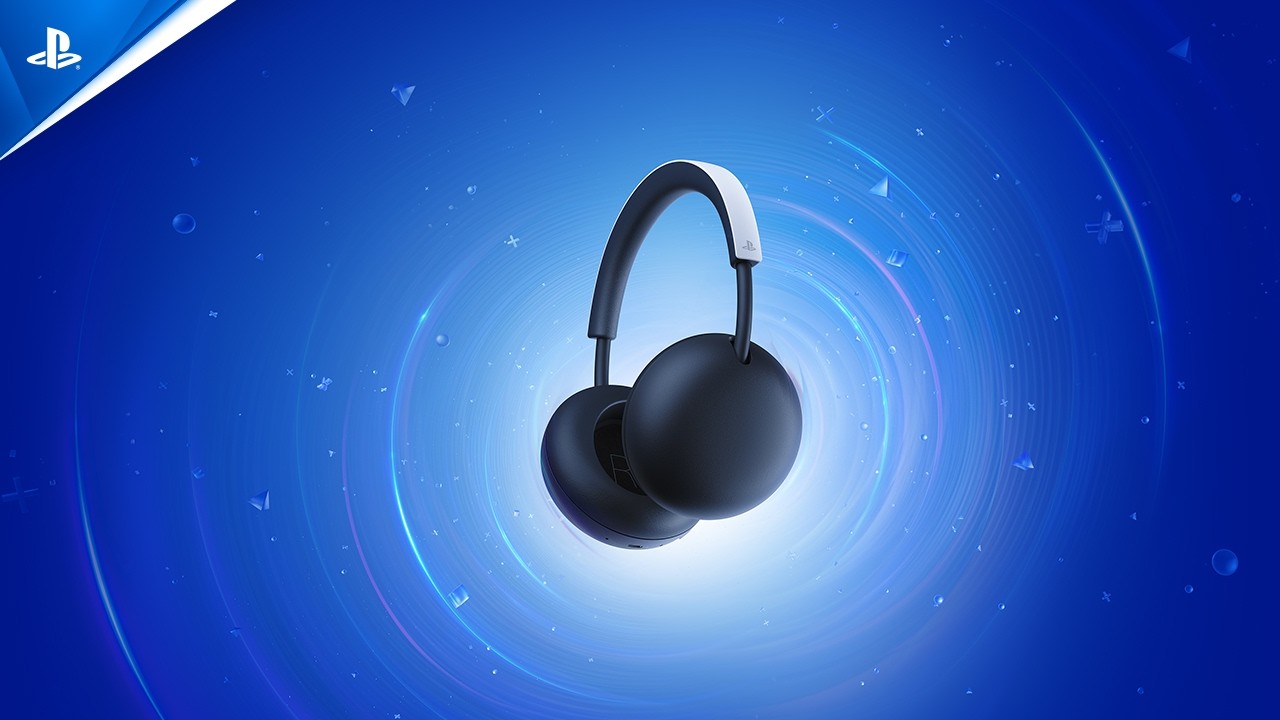
PlayStation PULSE Headset — Official Trailer
Watch the official PlayStation PULSE Headset trailer and discover its immersive audio experience, premium design, and key features.




Nice 👍👍