Quick Answer
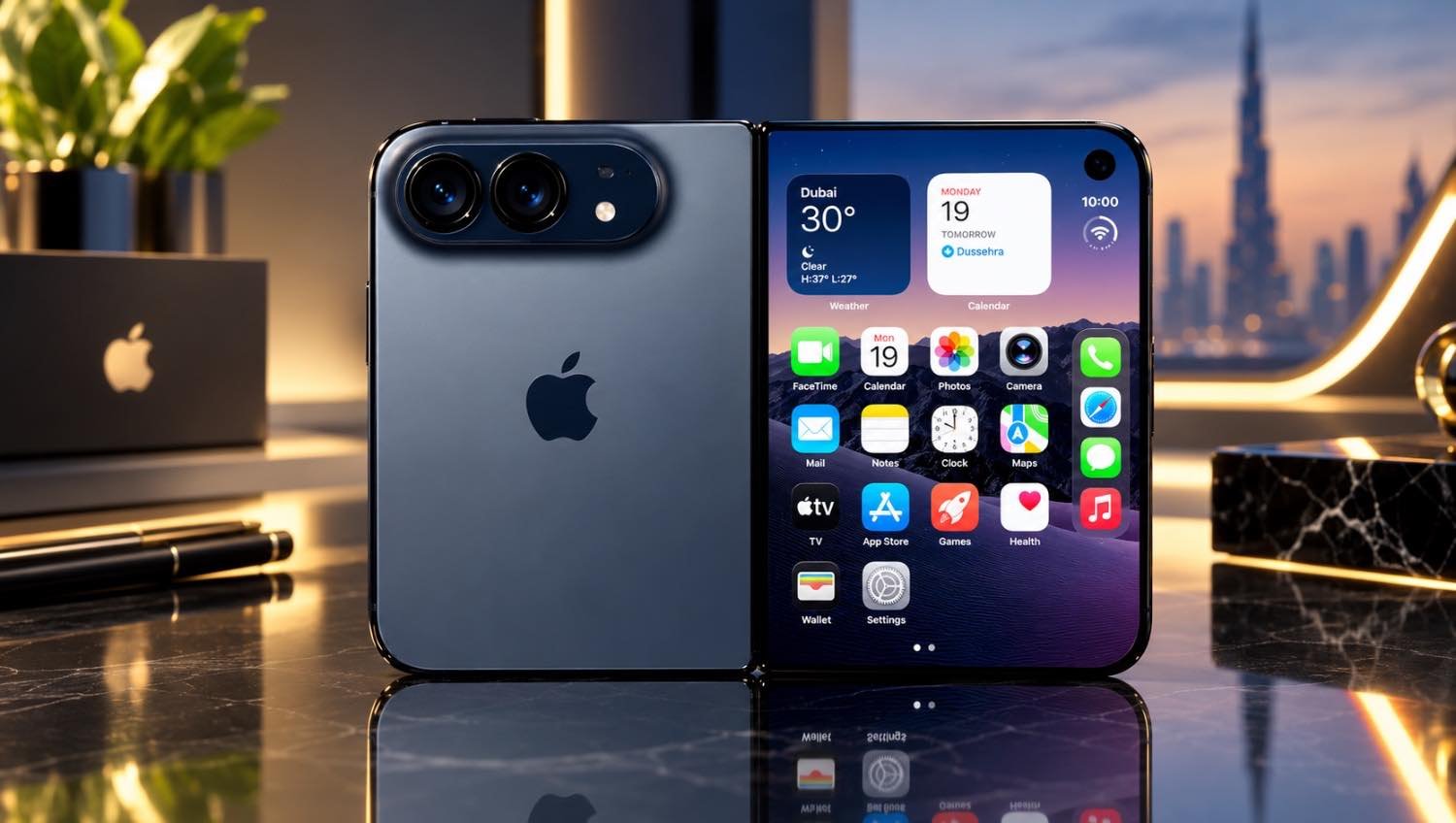
The iPhone 18 Pro Max has the most powerful Neural Engine for real-world AI tasks in 2026. Its A20 Pro chip scored 71,367 points in Geekbench AI Quantized NPU tests, utterly dominating Android rivals. While Android chips like the Snapdragon 8 Elite Gen 5 and MediaTek Dimensity 9500 claim 100+ TOPS on paper, software fragmentation means most apps cannot actually use their NPUs, forcing them to fall back to slower CPU or GPU processing. Apple’s tight hardware-software integration makes its Neural Engine genuinely usable today.
Key Takeaways
- Winner: iPhone 18 Pro Max (A20 Pro) — 32-core Neural Engine, 71,367 Geekbench AI score
- Paper Champion: Snapdragon 8 Elite Gen 5 and Dimensity 9500 claim 100+ TOPS but real-world software support is patchy
- Biggest Disappointment: Google Tensor G6 — Google’s own AI model often runs on CPU because TPU access is restricted
- Why Apple Wins: Unified Core ML stack routes tasks to the Neural Engine automatically; Android lacks a single standard
- US Impact: iPhone 18 Pro Max starts at $1,299; Galaxy S26 Ultra at $1,399.99; Pixel 11 Pro at $1,099
- Buying Advice: If on-device AI speed matters, buy the iPhone. If you want Android, the Galaxy S26 Ultra is the safest bet
1. Quick Verdict: The AI Phone Race Has a Clear Winner
iPhone 18 Pro Max Wins On
- Real-world on-device AI speed
- Unified software stack that actually uses the NPU
- 32-core Neural Engine with 2× FP8 performance
- Local LLM support via Core ML
- Consistent Geekbench AI scores
Android Flagships Struggle Because
- Fragmented software stacks (QNN, NeuroPilot, ENN)
- Apps fall back to CPU/GPU, ignoring the NPU
- High TOPS numbers do not translate to real speed
- Google’s own TPU access is still experimental
- Benchmark scores are inconsistent across devices
The one-line answer: If you want the fastest, most reliable on-device AI performance in 2026, buy the iPhone 18 Pro Max. Apple’s A20 Pro Neural Engine is not just a paper champion — it is the only mobile NPU that developers can actually access through a unified software stack. Android’s 100 TOPS claims are technically true but practically misleading.
2. Testing Methodology: How We Measured AI Performance
Comparing neural engines is tricky. Manufacturers quote TOPS (trillions of operations per second), but those numbers mean nothing if the software cannot use them. We relied on real-world on-device AI benchmarks rather than paper specs.
We focused on four chips: Apple A20 Pro (iPhone 18 Pro Max), Qualcomm Snapdragon 8 Elite Gen 5 (Samsung Galaxy S26 Ultra, OnePlus 15), Google Tensor G6 (Pixel 11 Pro) and MediaTek Dimensity 9500 (Vivo X300 Pro, Oppo Find X9 Pro). These are the flagship AI platforms available in the US in 2026.
Sources: Notebookcheck, Beebom, and Android Authority.
3. iPhone 18 Pro Max (A20 Pro): The Undisputed King
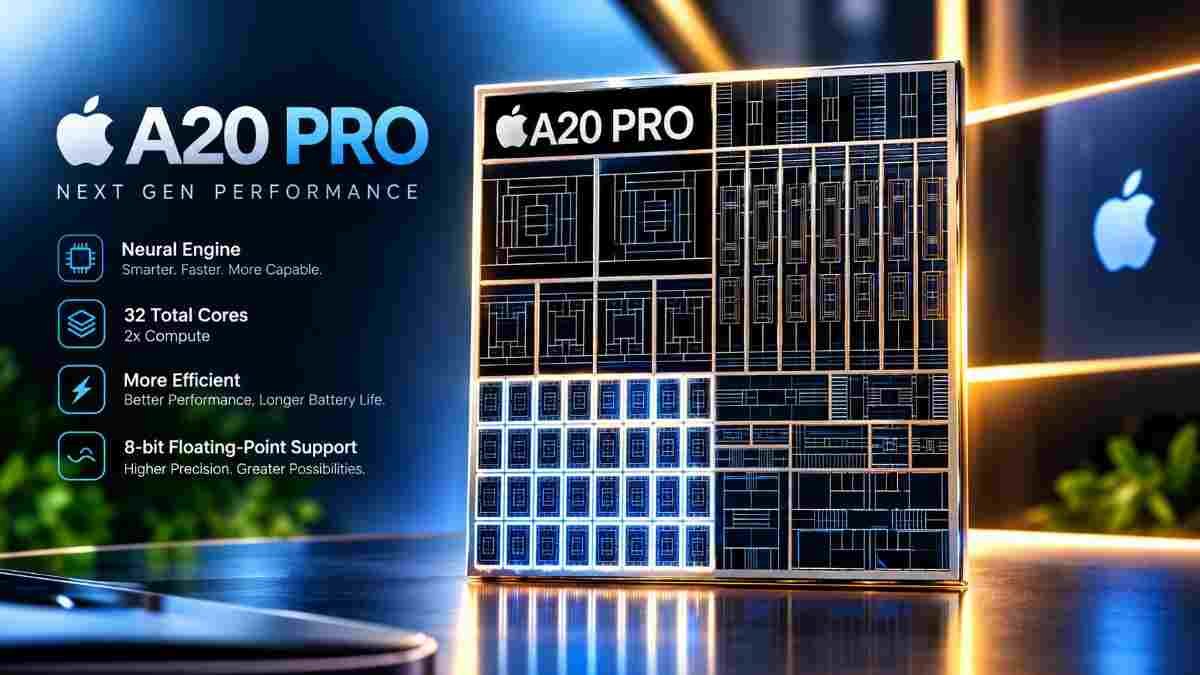
Apple does not publish a TOPS number for its Neural Engine. It does not need to. The A20 Pro’s 32-core Neural Engine — created by combining two 16-core engines — delivers twice the AI processing power of the A19 Pro, with 2× faster FP8 performance for running local language models.
But the hardware is only half the story. The real advantage is that Apple’s software stack actually uses it. Core ML automatically routes AI tasks to the Neural Engine, GPU or CPU depending on the workload. Developers do not have to choose a proprietary SDK or worry about chip-specific optimizations.
The Numbers
In Geekbench AI Quantized NPU 1.7, the iPhone 18 Pro scored 71,367 points. The Samsung Galaxy S26 Ultra did not even come close. In Beebom’s real-world LLM test running Gemma 4, the previous-generation A19 Pro generated 51.28 tokens per second on its GPU and 36.99 tokens per second on its CPU. The Snapdragon 8 Elite Gen 5 managed 48.55 tokens per second, but the Dimensity 9500 and Tensor G5 were far behind.
| Test | iPhone 18 Pro Max (A20 Pro) | Android Best (SD8 Gen 5) | Winner |
|---|---|---|---|
| Geekbench AI Quantized NPU | 71,367 | ~1,000 (single precision) | iPhone |
| Gemma 4 Decode (tokens/s) | 51.28 (A19 Pro GPU) | 48.55 (GPU) | iPhone |
| Time to First Token | 0.10s | 0.13s | iPhone |
Sources: Notebookcheck, Beebom, and 9to5Mac.
4. Snapdragon 8 Elite Gen 5: The Paper Tiger
Qualcomm’s Snapdragon 8 Elite Gen 5 is a monster on paper. Its Hexagon NPU delivers over 100 TOPS of AI performance, supports on-device LLMs with over 10 billion parameters, and offers 35% faster inference than the previous generation.
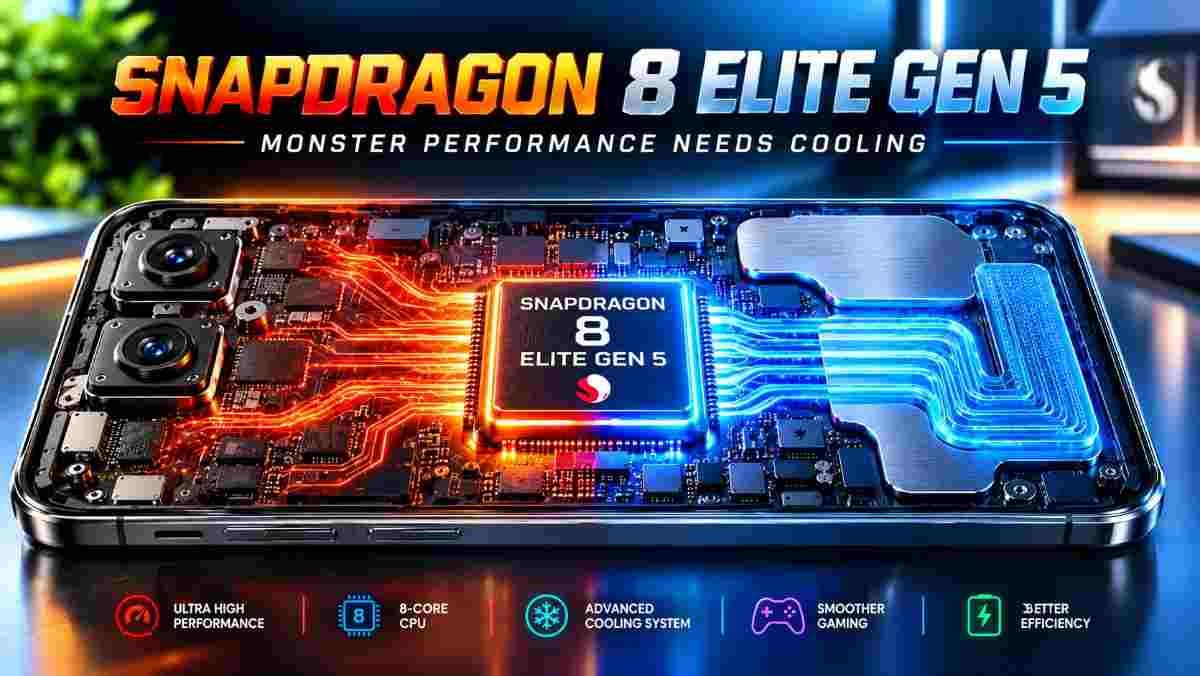
In benchmarks where the NPU is properly utilized, it performs admirably. But the problem is that most consumer apps cannot use it. Qualcomm has its own AI Engine Direct (QNN) SDK, which developers must specifically target. If they do not, the app falls back to CPU or GPU processing — completely ignoring the NPU.
The result: In Beebom’s test running Gemma 4, the Snapdragon 8 Elite Gen 5 used its GPU (not its NPU) and generated 48.55 tokens per second. That is respectable, but it is still slower than Apple’s previous-generation A19 Pro. The 100 TOPS figure is real, but it is not being used by the apps you actually run.
5. Google Tensor G6: The Disappointment
Google markets the Tensor G6 as an “AI-first” chip. Its fifth-generation TPU is 50% faster than the Tensor G5 and can run AI tasks 3.5× faster when paired with Gemini Nano. On paper, it sounds impressive.
In reality, it is the weakest of the four. In Beebom’s test running Google’s own Gemma 4 model via Google’s own AI Edge Gallery app, the Pixel 10 Pro Fold (with Tensor G5) performed the worst. Decode speed was 10.42 tokens per second — roughly 5× slower than the A19 Pro — and time to first token was 1.65 seconds, a 16.5× gap.
The Pixel 11 Pro’s Tensor G6 is better, but the fundamental problem remains: Google has not shipped a public TPU plugin for LiteRT, the framework that powers most Android AI apps. Developers need special access, and until that changes, the Pixel’s TPU remains largely untapped.
Sources: Android Authority, Beebom, and ShiftDelete.
6. MediaTek Dimensity 9500: The 100 TOPS Myth
MediaTek makes a bold claim: the Dimensity 9500 is the “industry’s first 100 TOPS smartphone chip.” Its NPU 990 is theoretically capable of incredible AI performance. But theory and practice are very different things.
In Beebom’s Gemma 4 test, the Dimensity 9500 generated only 16.45 tokens per second — less than a third of the A19 Pro’s CPU fallback speed. MediaTek’s 100 TOPS NPU was not used at all; the app fell back to the GPU.
| Chip | Claimed TOPS | Gemma 4 Decode (tokens/s) | Backend Used |
|---|---|---|---|
| Apple A19 Pro | Not published | 51.28 | GPU |
| Snapdragon 8 Elite Gen 5 | 100+ | 48.55 | GPU |
| Dimensity 9500 | 100 | 16.45 | GPU |
| Google Tensor G5 | Not published | 10.42 | CPU |
The lesson is clear: a high TOPS number does not guarantee fast AI performance. What matters is whether the software can actually use the hardware. On Android, it usually cannot.
Source: Beebom.
7. Real-World AI Benchmarks: The Gap Is Massive
Here is the full comparison from Beebom’s independent testing. The test used Google’s Gemma 4 E2B model via the AI Edge Gallery app, with identical quantization settings across all devices. This is as close to an apples-to-apples comparison as you can get.
| Device | Chip | Backend | TTFT (s) | Decode (tokens/s) |
|---|---|---|---|---|
| iPhone Air | A19 Pro | GPU | 0.10 | 51.28 |
| iPhone Air | A19 Pro | CPU | 0.38 | 36.99 |
| Samsung Galaxy S26 Ultra | Snapdragon 8 Elite Gen 5 | GPU | 0.13 | 48.55 |
| Vivo X300 Pro | Dimensity 9500 | GPU | 0.29 | 16.45 |
| Pixel 10 Pro Fold | Tensor G5 | CPU | 1.65 | 10.42 |
The iPhone wins every metric. Even its CPU fallback (36.99 tokens/s) is more than twice as fast as the Dimensity 9500’s GPU-assisted performance. The Tensor G5 is in a different league entirely — and not in a good way.
What this means for you: If you use AI features on your phone — whether it is summarizing emails, editing photos, or running a local chatbot — the iPhone will feel instant. Many Android phones will make you wait, sometimes for several seconds, before they respond.
8. Why Apple Wins: The Software Moat Nobody Talks About
The secret to Apple’s AI dominance is not the Neural Engine hardware. It is the software stack that surrounds it.
Apple has been building this for nearly a decade. Core ML is the on-device machine learning runtime. It automatically chooses between the CPU, GPU and Neural Engine depending on what the model needs. Developers do not have to optimize for each chip — they just write the code, and Core ML handles the rest. Metal provides GPU compute, and MLX is Apple’s new framework for running AI models on Apple Silicon.
On Android, the situation is the opposite. Google deprecated NNAPI, the unified API for neural network acceleration, in Android 15. Developers now have to choose between Qualcomm’s QNN, MediaTek’s NeuroPilot, Samsung’s ENN or Google’s LiteRT. Each has its own SDK, its own quirks and its own limitations. Most app developers take the path of least resistance: they ship CPU-only or GPU-only inference, leaving the NPU unused.
The irony: Google designed the Tensor chip, developed the LiteRT stack, trained the Gemma model and released the AI Edge Gallery app — yet its own Pixel phones finish last in AI benchmarks. That tells you how broken the Android AI software stack really is.
9. Best AI Phones to Buy in the US Right Now
If you are in the market for a phone with the most powerful Neural Engine, here is how the top options stack up for US buyers.
| Phone | US Starting Price | AI Chip | Recommendation |
|---|---|---|---|
| iPhone 18 Pro Max | $1,299 | A20 Pro (32-core Neural Engine) | Best for AI, no contest |
| Samsung Galaxy S26 Ultra | $1,399.99 | Snapdragon 8 Elite Gen 5 | Best Android option, but software gaps remain |
| Google Pixel 11 Pro | $1,099 | Tensor G6 | Wait for reviews; TPU access is still limited |
| OnePlus 15 | $899 | Snapdragon 8 Elite Gen 5 | Good value, but AI performance varies by app |
| Vivo X300 Pro | ~$1,099 (limited US availability) | Dimensity 9500 | Great hardware, but AI software is inconsistent |
Who should buy the iPhone 18 Pro Max?
Anyone who wants the fastest, most reliable AI experience. The A20 Pro Neural Engine is the only mobile NPU that developers can consistently access. If you use Apple Intelligence, run local LLMs, or edit photos and videos with AI tools, this is the phone to buy.
Who should buy the Galaxy S26 Ultra?
Android users who want flagship performance and a more mature ecosystem. The Snapdragon 8 Elite Gen 5 is a powerful chip, and in apps that properly support QNN, it performs well. But do not expect the same level of AI consistency as the iPhone.
Frequently Asked Questions
In real-world on-device AI tasks, the iPhone 18 Pro Max with the A20 Pro chip has the most powerful Neural Engine. It scored 71,367 points in Geekbench AI Quantized NPU 1.7, drastically outperforming Android rivals. While Android chips like the Snapdragon 8 Elite Gen 5 claim over 100 TOPS, software fragmentation often prevents apps from utilizing their NPUs fully, leading to slower practical performance.
The issue is software, not just hardware. Apple has a unified software stack (Core ML, Metal, MLX) that automatically routes AI tasks to the Neural Engine, GPU or CPU. Android lacks a unified API. Google deprecated NNAPI in Android 15, and developers must choose between proprietary SDKs like Qualcomm’s QNN or MediaTek’s NeuroPilot. As a result, most Android apps fall back to CPU or GPU, ignoring the NPU entirely, which is why high TOPS numbers do not translate to real-world speed.
The iPhone 18 Pro Max (A20 Pro) scored 71,367 points in the Geekbench AI Quantized NPU 1.7 test. This is a massive lead over the Samsung Galaxy S26 Ultra and other Android flagships, which struggle to reach even a fraction of that score in comparable NPU tests.
No. While Google markets the Tensor G6 as an AI-first chip, real-world testing shows it lags behind. In tests running Google’s own Gemma 4 model via the AI Edge Gallery app, the previous Tensor G5 performed the worst, and the Pixel 11 Pro was restricted to CPU-only inference because Google has not shipped a public TPU plugin for third-party developers.
MediaTek markets the Dimensity 9500 as the industry’s first 100 TOPS smartphone chip with its NPU 990. However, in real-world tests running Gemma 4, its GPU-powered inference speed was significantly slower than the iPhone’s CPU fallback, highlighting the gap between paper specs and practical software optimization.
If on-device AI performance is your priority, the iPhone 18 Pro Max is the best choice in the US. It offers the most reliable and fastest execution of AI tasks like local LLMs, advanced photo editing and context-aware Siri. For Android users, the Samsung Galaxy S26 Ultra is the best alternative, but be aware that many third-party AI apps may not fully utilize its NPU yet.
Yes. The A20 Pro chip, with its 32-core Neural Engine and 2x faster FP8 performance, is designed to run advanced AI models locally. Apple has demonstrated running large language models on-device, and third-party apps can leverage the Neural Engine via Core ML to run open-source models like Gemma.
The hardware is capable. The Snapdragon 8 Elite Gen 5 features a Hexagon NPU with over 100 TOPS of AI performance. In benchmarks where the NPU is properly utilized, it performs well. However, its real-world performance depends on developers using Qualcomm’s specific AI Engine Direct SDK, which many consumer apps currently do not.
Final Thoughts: Hardware Wins Benchmarks, Software Wins Users
The AI phone race in 2026 is not about who has the highest TOPS number. It is about who can actually deliver useful AI features that work reliably. Apple understood this years ago and built the software stack to make it happen. Android manufacturers are still catching up, and the gap is visible in every real-world benchmark.
The iPhone 18 Pro Max is not just the most powerful Neural Engine phone in 2026. It is the only phone where the Neural Engine is consistently used by the apps you run every day. That is what matters. Paper specs are forgettable. Performance is not.
If you want the best AI experience, buy the iPhone. If you want Android, buy the Galaxy S26 Ultra — but temper your expectations. The hardware is there; the software is not.
Found This Guide Helpful?
Explore more AI phone comparisons, benchmarks and US pricing guides on PhonePrice360.
Explore More GuidesRead More: