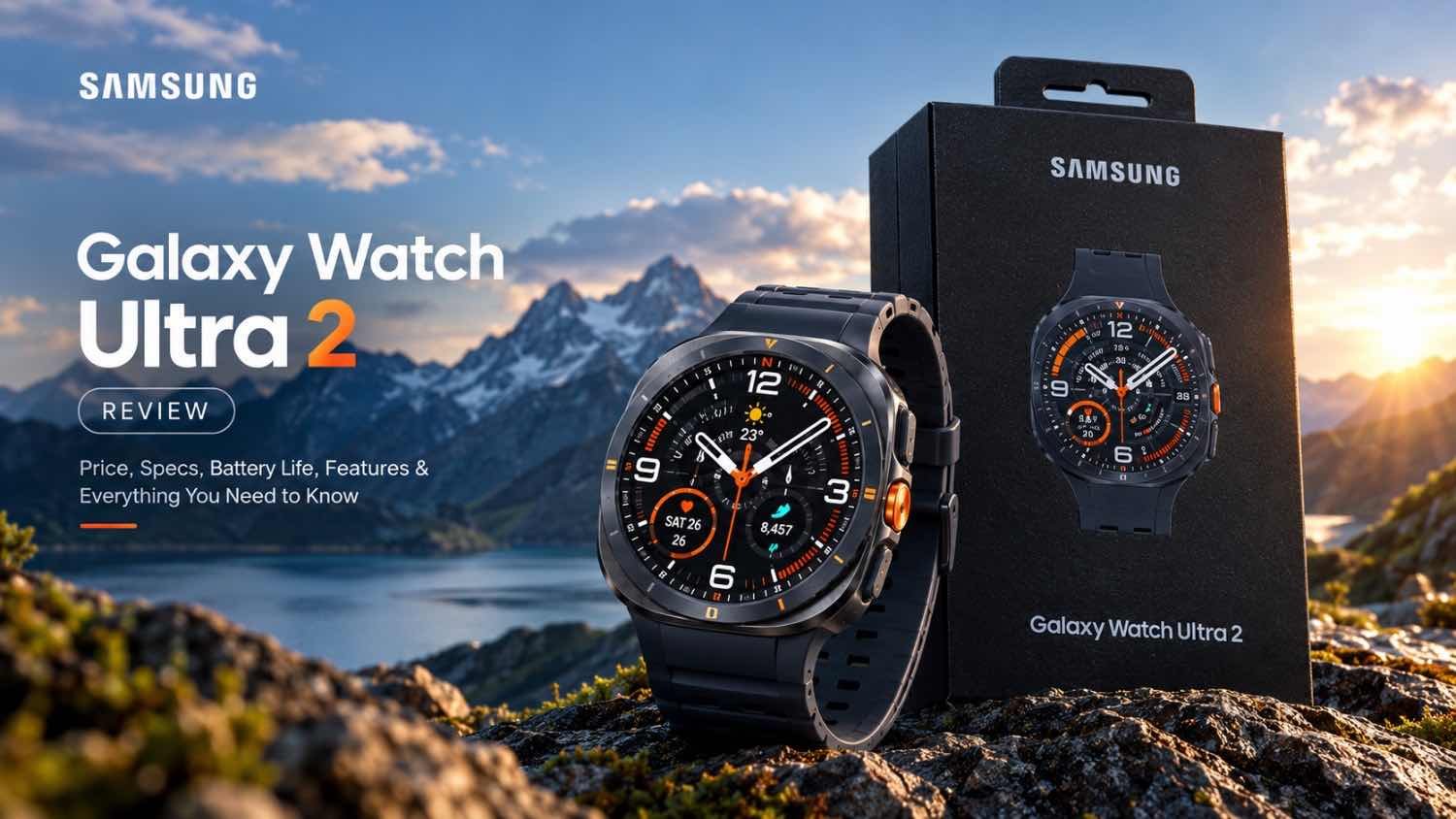
Samsung’s Galaxy Watch Ultra2 is the company’s most ambitious smartwatch to date, pairing a new Snapdragon Wear Elite platform with an 800mAh battery, a 5,000-nit display, and a slimmer titanium build. Samsung announced it on July 22, 2026, alongside the Galaxy Watch9, at a Galaxy Unpacked event, and it’s been available since August 7, 2026.
This review breaks down the confirmed price, full official specs, real-world battery testing, standout features, and honest comparisons against the Apple Watch Ultra 3 and Samsung’s own Galaxy Watch9 — all grounded in Samsung’s official announcement and hands-on testing from established reviewers, not guesses.
What Is the Samsung Galaxy Watch Ultra2?
The Galaxy Watch Ultra2 is Samsung’s second-generation rugged flagship smartwatch, built for outdoor adventurers, divers, and endurance athletes who want Apple Watch Ultra-level toughness on Android. It runs on a titanium frame, the brightest display Samsung has shipped, and its largest-ever Galaxy Watch battery.
Samsung itself describes it as its “most powerful and advanced Galaxy Watch ever,” built for people who push their limits outdoors and need continuous health monitoring in extreme conditions, according to the official Samsung Global Newsroom announcement.
When Was the Galaxy Watch Ultra2 Released?
Samsung announced the Galaxy Watch Ultra2 on July 22, 2026, at a Galaxy Unpacked event held alongside the Galaxy Z Fold8 series. Pre-orders opened the same day in select markets, with general availability starting August 7, 2026.
This clears up two years of naming confusion — Samsung skipped a true second-generation Ultra in 2025 and instead refreshed the original 2024 model with more storage and a new color option.
How Much Does the Galaxy Watch Ultra2 Cost?
The Galaxy Watch Ultra2 is priced at $699.99 in the US and €749 in Europe, and it ships in a single configuration: a 47mm titanium case with built-in LTE. There’s no smaller case size and no separate Wi-Fi-only model.
| Region | Price |
|---|---|
| United States | $699.99 (47mm, LTE) |
| Europe | €749 |
| Original Galaxy Watch Ultra (still sold in some markets) | Around $649.99 |
That’s a $50 increase over the original Galaxy Watch Ultra’s 2024 launch price. Samsung hasn’t hidden this — it’s part of a broader 2026 pattern of premium devices getting pricier across the board, as noted by PhoneArena’s launch coverage.
What Are the Full Official Specs of the Galaxy Watch Ultra2?
Here’s the complete spec sheet, sourced directly from Samsung’s official specification table.
| Component | Specification |
|---|---|
| Display | 1.52-inch (38.5mm) Super AMOLED, 498×498px, Full Color Always-On Display, up to 5,000 nits, sapphire crystal |
| Processor | Qualcomm Snapdragon Wear Elite platform (SDW6100), penta-core, 3nm |
| Memory | 2GB RAM, 64GB storage (single configuration) |
| Battery | 800mAh, WPC-based High-Frequency Fast Charging |
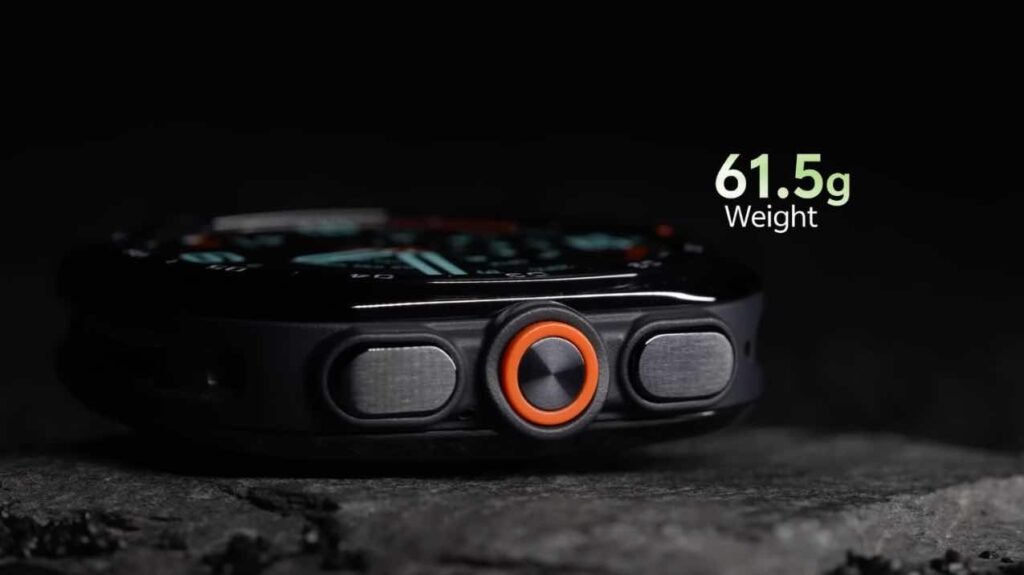
| Case | Titanium, 47.4 x 47.1 x 10.7mm, 61.5g |
| Durability & water resistance | 10ATM+, IP69K, MIL-STD-810H, EN13319 diving certification |
| Connectivity | LTE, Bluetooth 6.0, Wi-Fi (2.4GHz + 5GHz), NFC, dual-frequency GPS (L1+L5) |
| Sensors | Samsung BioActive Sensor (optical bio-signal + electrical heart signal + bioelectrical impedance analysis), temperature sensor, accelerometer, barometer, gyro sensor, geomagnetic sensor, light sensor |
| Software | Wear OS 7 (Wear OS Powered by Samsung), One UI 9 Watch |
| Compatibility | Android 13.0 or higher, with at least 1.5GB of phone memory |
| Colors | Titanium Silver, Titanium Gray |
Specs confirmed directly via Samsung’s official Global Newsroom press release.
Is the Display Actually Better Than Before?
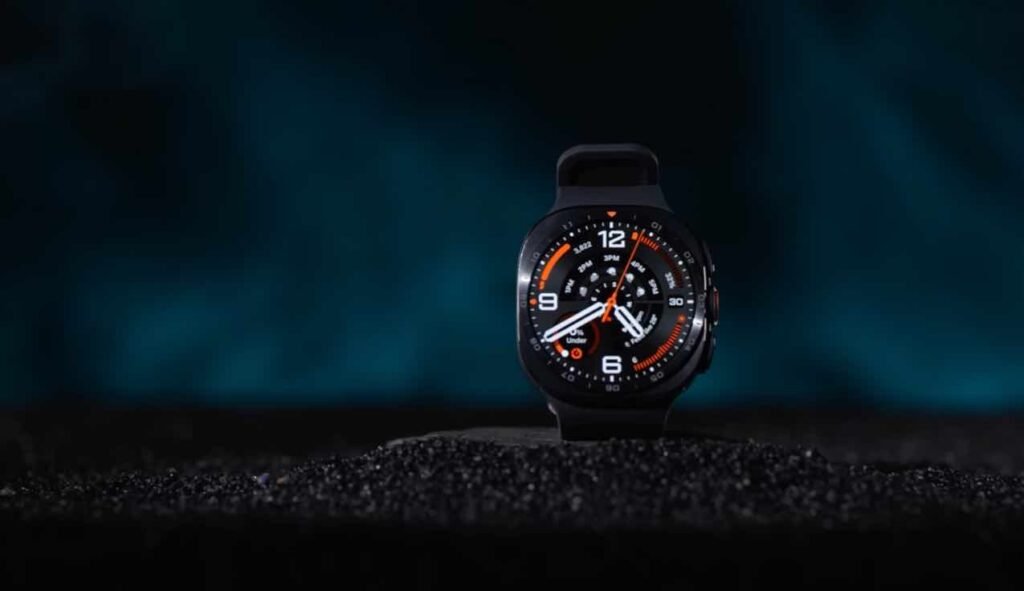
Yes — Samsung states this is the world’s first smartwatch with 5,000 nits of peak brightness, up from 3,000 nits on the original Ultra. It’s a real, usable improvement, not just a marketing number.
At that brightness, reading your watch face in direct midday sun stops being a squinting exercise. It’s one of the brightest smartwatch displays on the market today. Worth noting: Samsung’s own footnote clarifies this figure refers to localized peak brightness under high ambient light, and full-screen brightness may be lower in practice.
How Long Does the Galaxy Watch Ultra2 Battery Actually Last?
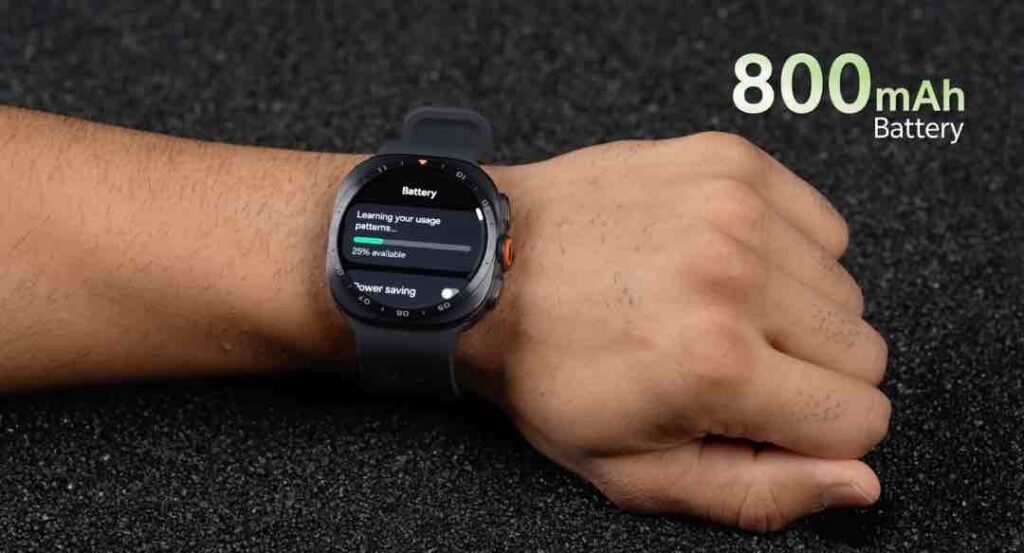
Samsung’s official headline claim is up to 60 hours of battery life from the new 800mAh cell — a 35% capacity increase over the original Ultra’s 590mAh battery. That’s Samsung’s primary marketing figure, confirmed on its own retail product pages.
Here’s an important accuracy note: some retailers and older comparison charts still circulate 100-hour Power Saving Mode and 48-hour Exercise Power Saving Mode figures — but those specific numbers were published for the original590mAh Galaxy Watch Ultra, not officially republished for the Ultra2 at the time of writing. Don’t assume they carry over automatically.
What Does Real-World Testing Show?
This is where things get genuinely useful. PhoneArena ran an actual multi-day hands-on battery test on the Ultra2 rather than just repeating Samsung’s marketing figure. Starting the day at 50% with always-on display enabled, the reviewer finished at 30% by 10pm, then woke up at 18% after overnight sleep tracking — working out to roughly 32% drain across a full 24-hour cycle with AOD on.
That math points to close to 72 hours (three full days) of real-world use with always-on display enabled and no GPS workouts, according to PhoneArena’s dedicated battery test. Runners using GPS regularly should expect somewhat less.
The Charging Trade-Off Nobody’s Talking About
Samsung’s fast charger reportedly gets the Ultra2 to 40% in about 30 minutes, per retailer product listings. But the same PhoneArena test found a full charge now takes nearly three hours — because the battery itself is so much bigger, Samsung hasn’t meaningfully sped up the charging rate to match. That’s a genuine trade-off worth knowing before you buy.
What’s New Compared to the Original Galaxy Watch Ultra?
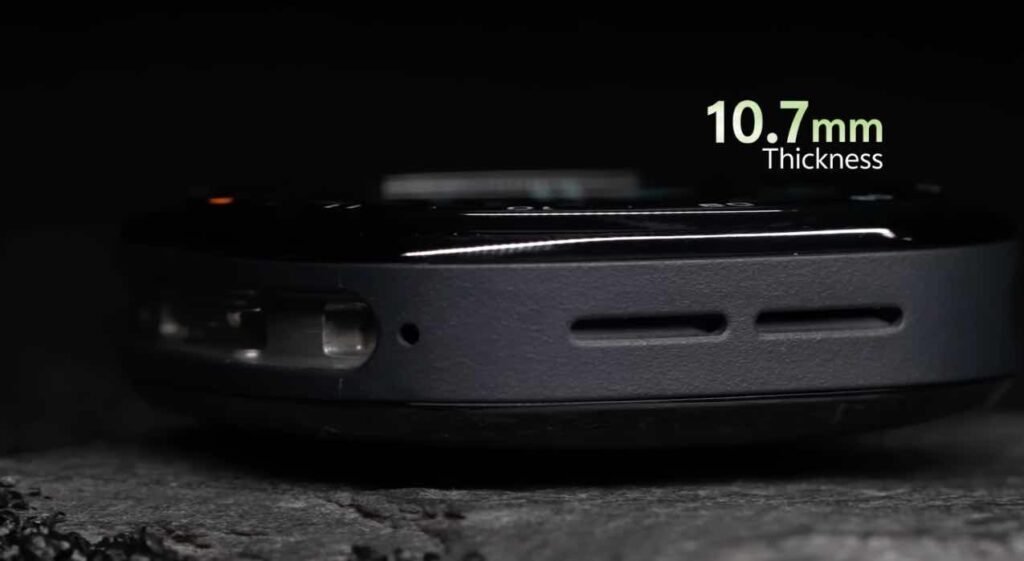
The Galaxy Watch Ultra2 isn’t a cosmetic refresh — it changes real hardware.
| Feature | Original Galaxy Watch Ultra (2024) | Galaxy Watch Ultra2 (2026) |
|---|---|---|
| Chip | Exynos W1000 | Snapdragon Wear Elite (SDW6100) |
| Battery | 590mAh | 800mAh (+35%) |
| Peak brightness | 3,000 nits | 5,000 nits |
| Case thickness | 12.1mm | 10.7mm (12% slimmer) |
| Storage | 32GB (base) | 64GB (only option) |
| Diving certification | None | EN13319, 40m, with a dedicated Mares-developed Diving app |
| Colors | Up to 4, including Titanium White/Blue | 2 (Silver, Gray) |
| Price (US) | $649.99 | $699.99 |
You get a slimmer body, a much brighter screen, real diving credentials, and a more capable chip — at the cost of fewer color choices and $50 more. For most outdoor-focused buyers, that’s a fair trade.
What Software and AI Health Features Does It Have?
Samsung’s official 2026 announcement puts the spotlight on new AI-driven health tools shared across the Watch Ultra2 and Watch9 lineup, built on continuous BioActive sensor data:
- Sleep Apnea feature — backed by new FDA clearance, detects signs of moderate to severe sleep apnea over a two-night period (not a diagnostic tool; Samsung explicitly states it doesn’t replace a healthcare professional’s diagnosis)
- Vitals — monitors your personal health baseline overnight and flags significant deviations
- Heart Health Score — a simple cardiovascular wellness score with lifestyle recommendations
- Daily Cardio Load — guidance on workout volume and recovery needs
- Fitness Index — a holistic view of physical fitness with personalized goals
- Hearing — alerts for unsafe ambient noise levels with detailed reports
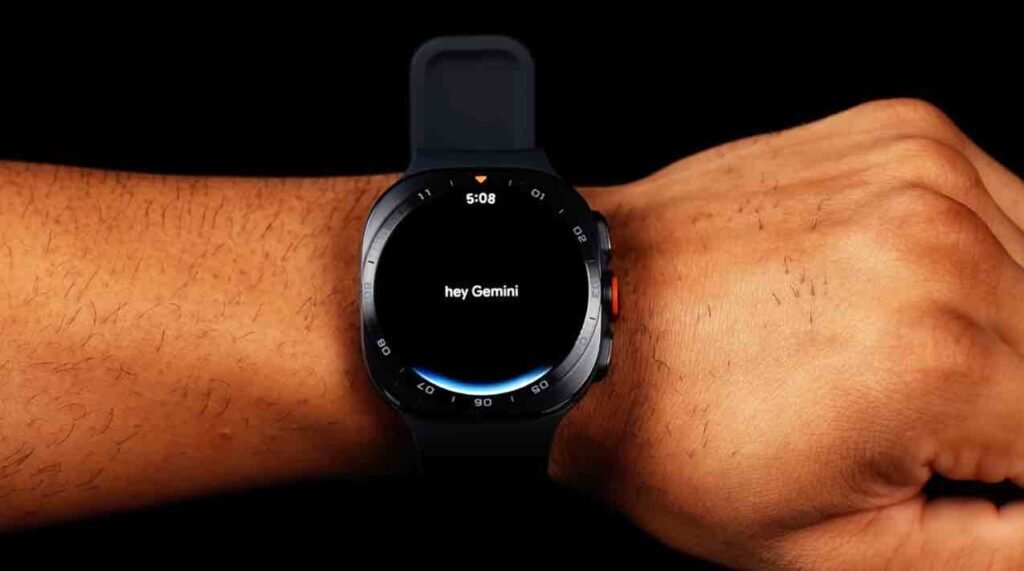
Samsung is explicit that none of these features are intended for diagnosing or treating any medical condition — they’re wellness guidance, not clinical tools. Longer-standing Galaxy AI features from earlier Watch Ultra generations, like the Gemini voice assistant and Energy Score, are expected to continue as part of the broader One UI Watch platform, though they weren’t the headline focus of this year’s announcement.
Is the Galaxy Watch Ultra2 Good for Fitness and Outdoor Sports?
Short answer: yes, and Samsung built genuinely new tools around this specifically for the Ultra2, not just the wider Watch lineup.
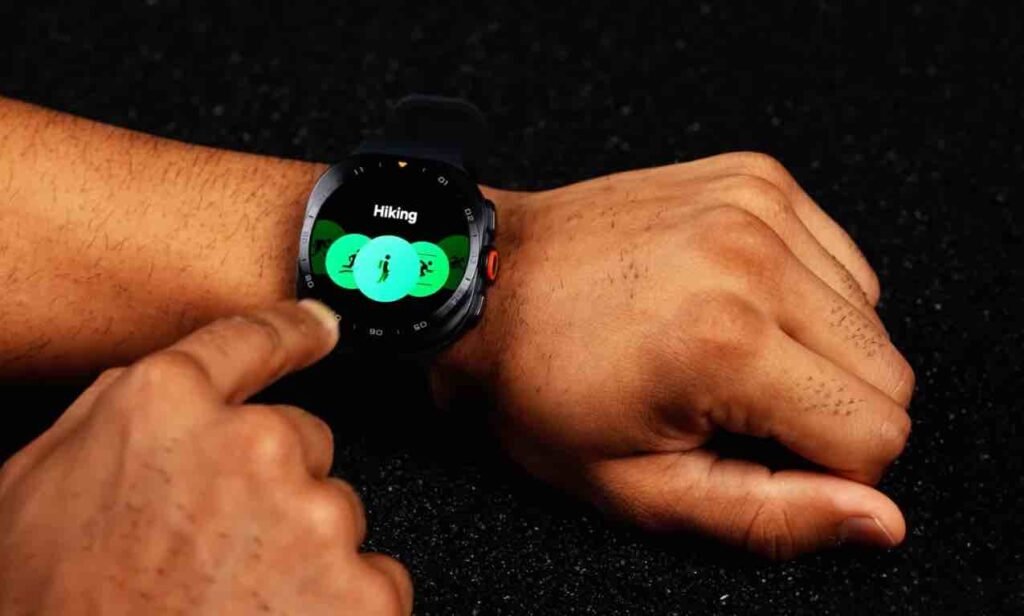
Trail Run is a dedicated tracking mode for elevation, climbing progress, and terrain impact, meant to help runners pace themselves and reduce injury risk. Paired with it is Nutrition Alert, a new addition to the existing Sweat Loss feature — it estimates fluid loss relative to body weight and gives real-time hydration guidance during long efforts.
Trail Run is confirmed as an Ultra2-exclusive feature within the current Wear OS lineup, and it requires Android 13 or later with Samsung Health app version 7.0 or above.
Can You Actually Dive With the Galaxy Watch Ultra2?
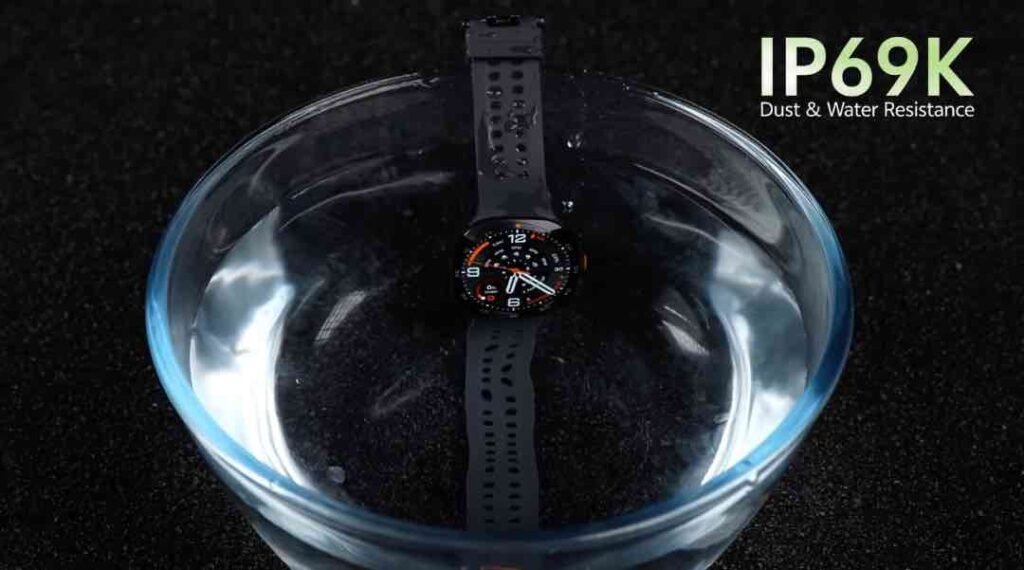
Yes — and this is a genuinely new capability, not just a durability rating bump. The watch is rated IP69K, 10ATM, and EN13319-certified, meaning it’s built to function as an actual diving instrument, not merely survive water exposure.
Once submerged, it automatically tracks real-time diving data — depth, time, and water temperature — directly from the wrist. Samsung developed additional advanced diving features, including ascent and descent speed tracking and safe dive limit alerts, in partnership with Mares, a major diving equipment brand. This dedicated Diving app is expected to roll out later in 2026 and will reportedly stay exclusive to the Ultra2 for two years among Wear OS smartwatches.
How Rugged and Durable Is the Galaxy Watch Ultra2?
The watch carries MIL-STD-810H military-grade durability certification, covering shock, temperature extremes, humidity, and vibration testing. Samsung states it withstands temperatures from -20°C to 55°C while worn on the wrist, based on internal lab testing.
On top of that sits IP69K dust and high-pressure water jet resistance, 10ATM water resistance, and the EN13319 diving certification covered above. Samsung’s own footnotes add that water resistance isn’t permanent and can diminish over time — a fair caveat worth remembering if you’re a frequent diver or swimmer.
Galaxy Watch Ultra2 vs Apple Watch Ultra 3: Which Should You Buy?
If you’re choosing between ecosystems, here’s an honest side-by-side — though the real answer usually comes down to whether you carry an iPhone or an Android phone.
| Spec | Galaxy Watch Ultra2 | Apple Watch Ultra 3 |
|---|---|---|
| Price | $699.99 | $799 |
| Case size | 47mm titanium | 49mm titanium |
| Chip | Snapdragon Wear Elite | Apple S10 |
| Display brightness | 5,000 nits | 3,000 nits |
| Battery life (normal use) | Up to 60 hours claimed; ~72 hours in real-world testing | 42 hours |
| Battery life (low power mode) | Not officially re-confirmed for this generation | 72 hours |
| Diving certification | EN13319, 40m | EN13319, 40m |
| Operating system | Wear OS 7 | watchOS 26 |
| Storage | 64GB | 64GB |
Apple’s spec figures above are sourced from the5krunner’s Apple Watch Ultra 3 specification page. On paper, the Galaxy Watch Ultra2 wins on brightness, real-world endurance, and price. The Apple Watch Ultra 3 counters with a more mature app ecosystem and tighter iPhone integration. For Android users who prioritize battery life, outdoor durability, and Samsung’s health features, the Galaxy Watch Ultra2 can offer better value than Apple’s Ultra lineup — but it’s not a universally “better” watch, just a better fit for a different phone ecosystem.
Galaxy Watch Ultra2 vs Galaxy Watch9: Do You Actually Need the Ultra?
Honestly, most people don’t. The standard Galaxy Watch9 shares the exact same Snapdragon Wear Elite platform and starts at a noticeably lower price, coming in 40mm and 44mm aluminum cases with a 390mAh (40mm) or 445mAh (44mm) battery.
What you give up going with the Watch9 is the bigger 800mAh battery, the titanium frame, diving certification, and the 5,000-nit display (Watch9 tops out at 3,000 nits). If you’re not hiking, diving, or trail running, the Watch9 covers the vast majority of daily smartwatch needs for meaningfully less money.
Pros and Cons of the Galaxy Watch Ultra2
What’s genuinely good:
- World-first 5,000-nit display, excellent outdoor visibility
- Real EN13319 diving certification with a dedicated Mares-built diving app on the way
- FDA-cleared sleep apnea detection, a meaningful health feature upgrade
- Slimmer, lighter case despite a much bigger battery
- Strong, verified real-world battery life close to 3 days with typical use
What could be better:
- Only two color options this generation, down from up to four
- $50 price increase over the original Ultra
- Full recharge now takes close to three hours due to the bigger cell
- Only two officially confirmed connectivity bands (2.4GHz + 5GHz Wi-Fi), no 5G mentioned
- Still a large, heavy watch — not ideal for smaller wrists
Should You Buy the Galaxy Watch Ultra2?
Buy it if you’re an Android user who wants Samsung’s brightest, most rugged smartwatch with genuine diving credentials, FDA-cleared sleep apnea detection, and real multi-day battery life. Skip it if you just want notifications and basic step tracking — the Galaxy Watch9 will save you real money and cover most everyday needs.
If you already own the original Galaxy Watch Ultra, the upgrade mainly makes sense for the brighter screen, slimmer body, or diving certification specifically — not for general notifications or basic health tracking, since that core experience hasn’t fundamentally changed.
Frequently Asked Questions
Is the Samsung Galaxy Watch Ultra2 worth buying? Yes, for Android users who want Samsung’s toughest, brightest smartwatch with genuine diving certification and strong real-world battery life. It’s overkill if you only want notifications and step counting — consider the Galaxy Watch9 instead.
How much does the Galaxy Watch Ultra2 cost? It’s priced at $699.99 in the United States and €749 in Europe for the single 47mm LTE configuration.
How long does the battery actually last? Samsung’s official claim is up to 60 hours. Independent hands-on testing from PhoneArena found real-world use with always-on display enabled lasts close to 72 hours (about three days) without heavy GPS use.
Does the Galaxy Watch Ultra2 work with iPhones? No. Like all Galaxy Watches, it requires an Android phone — Samsung specifies Android 13.0 or higher with at least 1.5GB of phone memory — and is not compatible with iOS.
What’s the difference between the Galaxy Watch Ultra2 and the original Galaxy Watch Ultra? The Ultra2 adds a Snapdragon Wear Elite chip, an 800mAh battery (up from 590mAh), a 5,000-nit display, a slimmer 10.7mm case, and EN13319 diving certification — at a $50 higher price.
Can you dive with the Galaxy Watch Ultra2? Yes. It’s EN13319-certified to 40 meters and automatically tracks depth, time, and water temperature when submerged. A dedicated Diving app built with Mares is expected later in 2026.
Is the Galaxy Watch Ultra2 better than the Apple Watch Ultra 3? It depends on your phone. The Galaxy Watch Ultra2 has a brighter display, better real-world battery endurance, and a lower price, but the Apple Watch Ultra 3 only works with iPhones and has a more mature app ecosystem.
Does the sleep apnea detection replace a medical diagnosis? No. Samsung explicitly states the feature is not intended to diagnose or treat any medical condition and does not replace evaluation by a healthcare professional.
Specifications and pricing confirmed via Samsung’s official Global Newsroom announcement (July 22, 2026) and independent hands-on testing from PhoneArena. Regional pricing and availability may vary — check Samsung’s official store for local figures.
Samsung Galaxy Watch Ultra 2
Check the latest price and availability from trusted retailers.
Samsung Galaxy Watch Ultra 2 Video
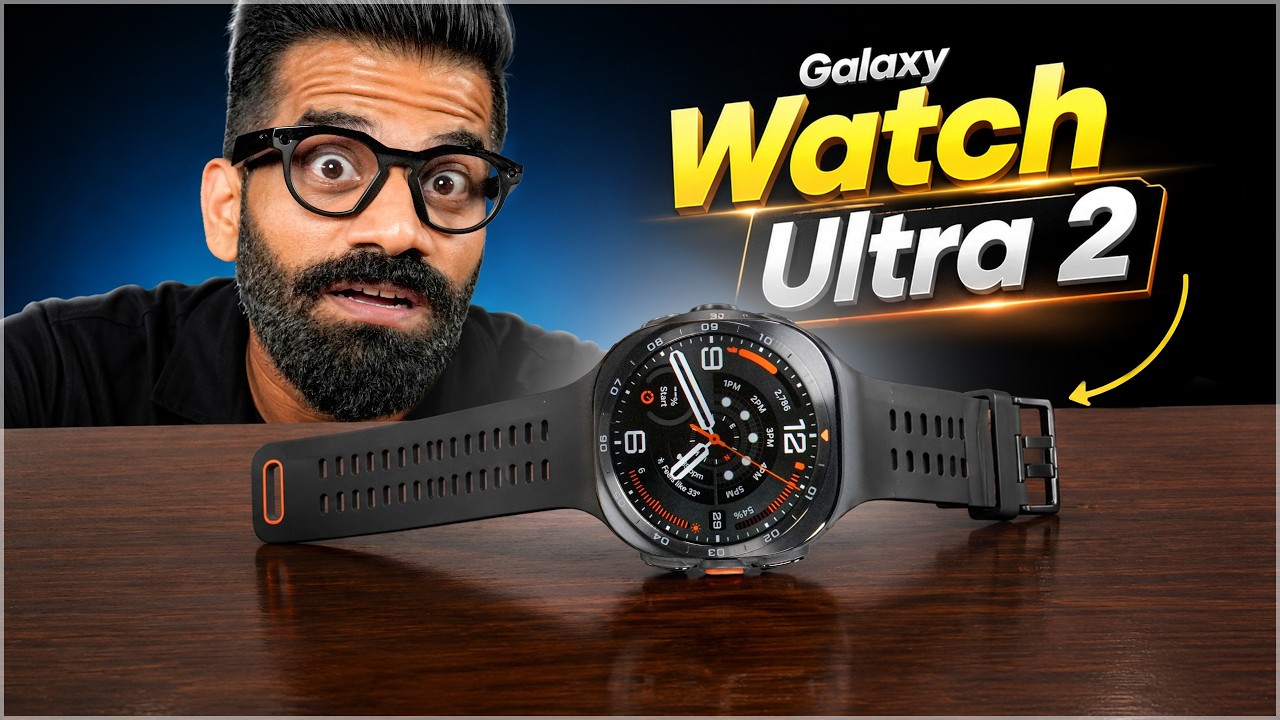
Watch the Galaxy Watch Ultra 2 in action and explore its design and features.
Read More:
Sony Just Changed Headphones Forever — 1000X Collection Unboxing & First Look