
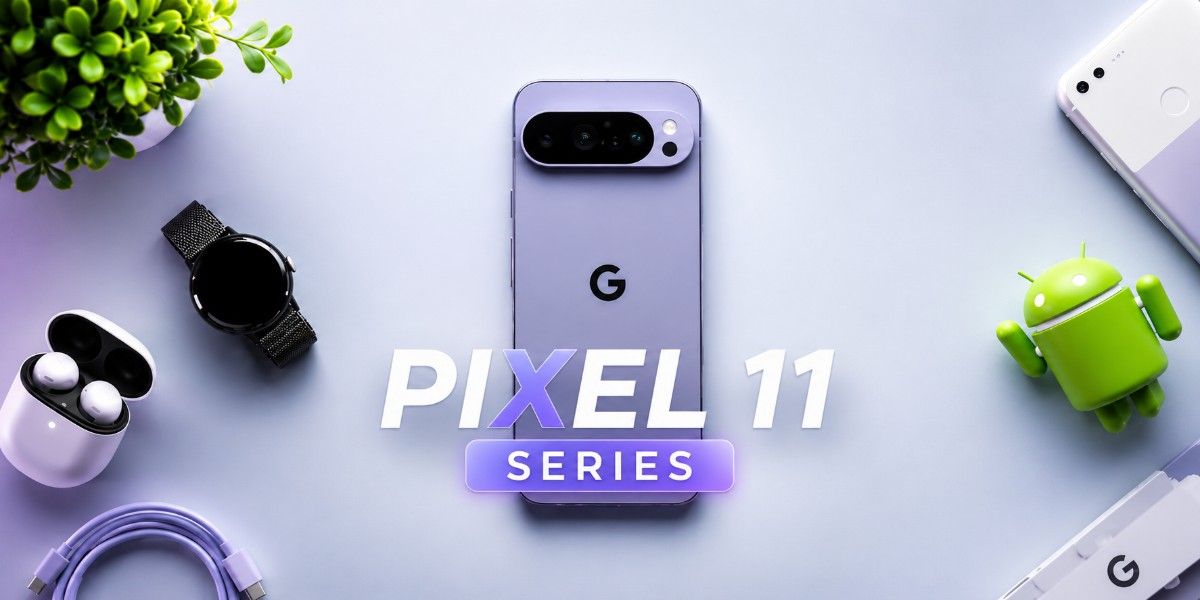
Quick Verdict for Google Pixel 11
| Launch Expected | August 2026 (Pixel 11, Pro, Pro XL) / October 2026 (Pro Fold) |
| New Chip | Tensor G6 — first smartphone on TSMC 2nm |
| New Modem | MediaTek M90 replaces Samsung Exynos after six years |
| New Feature | Pixel Glow RGB notification system (Pro models) |
| Starting Price | ~$799 (standard) |
| Should You Wait? | Yes — especially if you are on a Pixel 9 or older |
Google’s next flagship lineup is generating more buzz than any Pixel release in recent memory. Between a genuine silicon breakthrough, a bold new camera-bar feature, a long-overdue modem replacement, and the freshest Google Pixel 11 leaks pointing to a packed August 2026 reveal, there is a lot to dig into. Here is everything confirmed and credibly reported about every model — broken down clearly so you can decide whether to buy, wait, or skip.
When Is the Google Pixel 11 Release Date?
The short answer: expect August 2026. Google has launched its flagship Pixel line in August two years running — the Pixel 9 on August 13, 2024, and the Pixel 10 on August 28, 2025. The pattern is reliable enough that most analysts treat it as settled. The narrowest estimate currently circulating points to a window of August 17–25, 2026, for the Pixel 11, Pixel 11 Pro, and Pixel 11 Pro XL.
The Pixel 11 Pro Fold is expected to arrive separately, roughly five to seven weeks later, putting its release closer to October 2026. This mirrors exactly how the Pixel 10 Pro Fold launched last year.
Why did Google shift away from October? The strategy is deliberate: by landing in late August, Google dominates tech coverage for a full month before Apple absorbs all the oxygen with its September iPhone reveal.
How Much Will the Google Pixel 11 Cost?
No official price has been confirmed. Based on credible reporting and industry trends, here is where each model is likely to land:
| Model | Expected Starting Price | Previous Gen Price |
|---|---|---|
| Pixel 11 | ~$799 | $799 (Pixel 10) |
| Pixel 11 Pro | ~$999 | $999 (Pixel 10 Pro) |
| Pixel 11 Pro XL | ~$1,199 | $1,199 (Pixel 10 Pro XL) |
| Pixel 11 Pro Fold | ~$1,799–$1,999 | $1,799 (Pixel 10 Pro Fold) |
There is genuine uncertainty here. Memory chip costs have been climbing across the industry, and Google may not finalize pricing until a week before the announcement. Samsung already raised prices on the Galaxy S26. Google could follow that path — or choose to keep prices flat while quietly trimming RAM to offset costs. Either way, expect trade-in promotions and carrier bundles to soften the effective price at launch.
Pixel 11 vs Pixel 10: How Big Is the Upgrade?
This is the question most current Pixel owners are asking, and the honest answer is: it depends on which generation you are upgrading from. Here is a direct feature comparison between the Pixel 10 and Pixel 11.
| Feature | Pixel 10 | Pixel 11 |
|---|---|---|
| Chip | Tensor G5 (3nm TSMC) | Tensor G6 (2nm TSMC) |
| Process Node | 3nm | 2nm |
| Modem | Samsung Exynos | MediaTek M90 |
| Battery Efficiency | Baseline | ~15–20% better (est.) |
| Main Camera | Previous sensor | New 50MP “Chemosh” sensor |
| Notification Light | None | Pixel Glow RGB (Pro) |
| Temperature Sensor | Yes (Pro) | Removed, replaced by Pixel Glow |
| Display Panel (Pro) | Samsung M14 OLED | Samsung M16 OLED |
| Face Unlock | Fingerprint only | Fingerprint only |
| Design | Camera bar with colored accent | All-black camera bar, slimmer bezels |
| Starting Price | $799 | ~$799 (est.) |
The process node jump from 3nm to 2nm is the headline. The modem swap is arguably just as important for day-to-day usability. Everything else is a genuine but measured improvement.
Pixel 11 vs iPhone 17 vs Galaxy S26: Where Does It Stand?
Buyers cross-shopping the Pixel 11 against the iPhone 17 and Galaxy S26 are making a reasonable comparison. All three are 2025–2026 flagship releases in a similar price band. Here is how they stack up on the specs that matter most:
| Feature | Google Pixel 11 | Apple iPhone 17 | Samsung Galaxy S26 |
|---|---|---|---|
| Chip | Tensor G6 (TSMC 2nm) | A19 (TSMC 3nm) | Snapdragon 8 Gen 5 |
| Display | 6.3-inch OLED, 2,200 nits | 6.1-inch OLED | 6.2-inch Dynamic AMOLED |
| Main Camera | 50MP (new sensor) | 48MP | 50MP |
| On-Device AI | Gemini (on-device) | Apple Intelligence | Galaxy AI |
| Base Storage | 128GB or 256GB | 256GB | 256GB |
| Starting Price | ~$799 | $799 | $799 (raised from $799) |
| Modem | MediaTek M90 | Apple-designed | Qualcomm X80 |
| Satellite Connectivity | Yes | Yes | Yes |
Where the Pixel 11 wins: on-device AI via Gemini, the 2nm silicon advantage in efficiency, and Pixel’s historically cleaner Android software experience. Where it may trail: the PowerVR GPU in the Tensor G6 is architecturally older than the graphics solution in the Snapdragon 8 Gen 5, which matters if you are a serious mobile gamer. The iPhone 17’s tight hardware-software integration remains best-in-class for video recording and app performance consistency.
The Pixel 11 is not trying to beat the iPhone 17 at its own game. It is competing on AI, photography, and price-per-feature value — and on those terms, it remains compelling.
What Is the Biggest Upgrade in the Pixel 11 Series?
The headline upgrade is the Tensor G6 chip — codenamed “Malibu” internally. It is the first smartphone processor manufactured on TSMC’s 2nm (N2) fabrication node, the most advanced process node commercially available in 2026.
For context: Apple’s A18 Pro uses 3nm. The jump from 3nm to 2nm typically delivers 15–20% better power efficiency per compute unit, which translates directly into better Pixel 11 battery life from the same-sized cell.
The CPU layout is a 7-core configuration: one ARM C1-Ultra core at 4.11 GHz, four ARM C1-Pro cores at 3.38 GHz, and two ARM C1-Pro cores at 2.65 GHz. Google trades one core versus the industry-standard eight in exchange for better thermals — a deliberate architectural decision after early Tensor chips earned a reputation for running warm under load.
What Do Tensor G6 Benchmarks Look Like?
Official Tensor G6 benchmark results have not been published yet, as the chip has not launched. However, based on architectural analysis and Geekbench listings tied to the “Kodiak” codename, early estimates point to a 20–25% improvement in multi-core CPU performance over the Tensor G5, driven primarily by the 2nm process efficiency and the faster ARM C1-Ultra prime core. GPU performance is a more complicated story — the PowerVR CXTP-48-1536 GPU is architecturally older than what rivals are shipping, which means the Tensor G6 benchmark gap against Snapdragon and Apple silicon is likely to be most visible in GPU-heavy tests, not CPU or AI workloads.
Google Pixel 11 Full Specs: Model by Model
Pixel 11 (Standard)
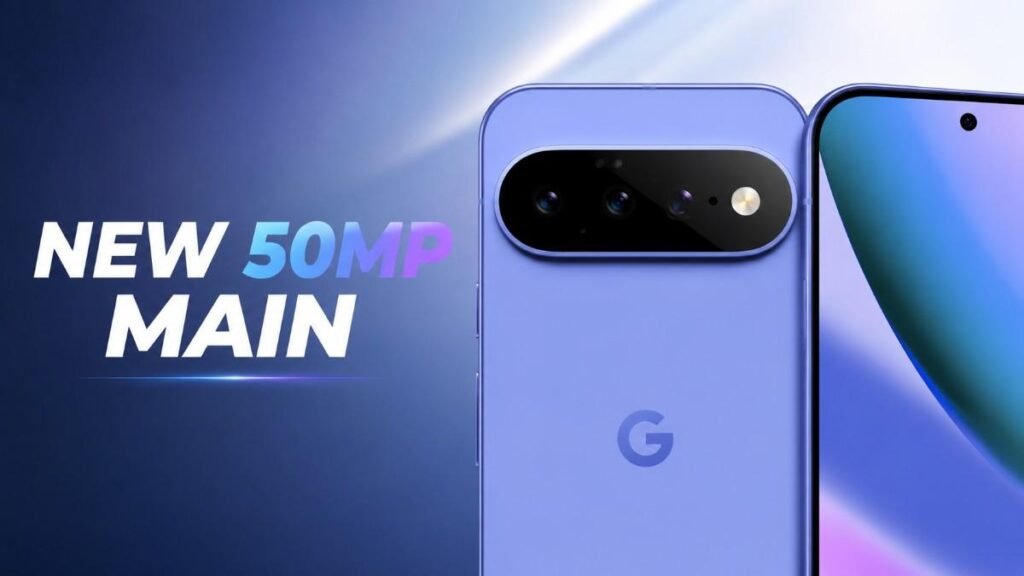
Codenamed “Cubs” internally. The design changes are minimal compared to the Pixel 10, but the hardware inside is meaningfully different. The Pixel 11 camera setup gets a brand-new 50MP “Chemosh” sensor for the main lens, along with AI-powered video features that previously required cloud processing.
| Spec | Detail |
|---|---|
| Display | 6.3-inch OLED, 1080×2424, 120Hz, 2,200 nits peak |
| Chip | Tensor G6 (TSMC 2nm) |
| Modem | MediaTek M90 (MT6986D) |
| RAM | 8GB or 12GB |
| Storage | 128GB or 256GB |
| Main Camera | 50MP (“Chemosh” sensor) |
| Battery | 4,840 mAh (~5,000 mAh marketed typical) |
| Security | Titan M3 chip |
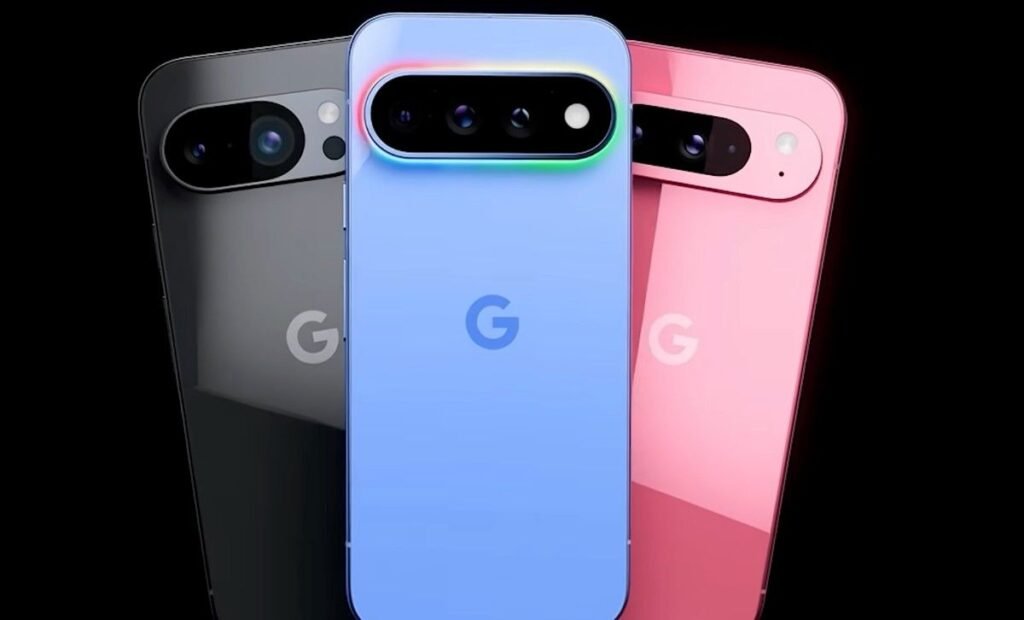
| Colors | Black, Green, Pink, Purple |
| Pixel Glow | Unconfirmed — likely Pro-only |
The storage situation is worth watching. Apple and Samsung have both moved away from 128GB as a base option. If Google follows suit, that would be a genuine improvement. It is not confirmed, but the industry direction is clear.
Pixel 11 Pro
Codenamed “Grizzly.” This is where the most interesting new feature appears: Pixel Glow. The RGB LED array in the camera bar replaces the infrared temperature sensor introduced on the Pixel 8 Pro — a feature most owners stopped using within weeks of purchase. The Pixel 11 Pro camera system also gets two new sensors: the “Bastet” main sensor and the “Barghest” telephoto, both new codenames suggesting a meaningful upgrade over the Pixel 10 Pro’s optics.
| Spec | Detail |
|---|---|
| Display | 6.3-inch LTPO OLED, 1–120Hz, 2,450–3,600 nits peak |
| Display Panel | Samsung M16 (more efficient than M14 in Pixel 10 Pro) |
| Chip | Tensor G6 (TSMC 2nm) |
| Modem | MediaTek M90 |
| RAM | 12GB or 16GB |
| Storage | 256GB, 512GB, 1TB |
| Cameras | New “Bastet” main + “Barghest” telephoto |
| Battery | ~4,707 mAh |
| Pixel Glow | Yes — RGB LED in camera bar |
| Face Unlock | Not included (Project Toscana delayed to future generation) |
The Samsung M16 OLED panel is worth noting specifically. It is more power-efficient than the M14 panel used in the Pixel 10 Pro, the Galaxy S26, and the iPhone 17 — making the Pixel 11 Pro potentially the most display-efficient flagship of 2026 when it ships.
Pixel 11 Pro XL
Codenamed “Kodiak.” Identical internals to the Pro, but in a larger body with a bigger screen and presumably larger battery. If you want the full Pro experience with more real estate and longer Pixel 11 battery life, this is the model to pick.
| Spec | Detail |
|---|---|
| Display | 6.8-inch LTPO OLED, 1–120Hz, up to 2,450 nits peak |
| Chip | Tensor G6 (TSMC 2nm) |
| Modem | MediaTek M90 |
| RAM | 12GB or 16GB |
| Storage | 256GB, 512GB, 1TB |
| Pixel Glow | Yes |
| Battery | Larger than Pro; exact figure not confirmed |
Pixel 11 Pro Fold
Codenamed “Yogi.” Launching separately in October 2026, the Fold is shaping up to be thinner than its predecessor.
| Spec | Detail |
|---|---|
| Outer Display | ~6.4 inches |
| Inner Display | ~8 inches, 120Hz |
| Thickness (Folded) | 10.1mm |
| Thickness (Unfolded) | 4.8mm |
| Chip | Tensor G6 (TSMC 2nm) |
| Modem | MediaTek M90 |
| Battery | ~4,658 mAh |
| Colors | Green + darker shade (“Lunar Tides” / “Tidal Swirl” wallpapers) |
| Expected Price | $1,699–$1,999 |
Pixel 11 Camera: What Is Actually Changing?
The Pixel 11 camera remains one of the most anticipated aspects of each generation. Here is what the leaks and Google Pixel 11 camera reports tell us so far.
The standard Pixel 11 gets a new 50MP “Chemosh” main sensor — a complete replacement for the sensor used in the Pixel 10. AI video features that previously ran in the cloud are moving on-device thanks to the Tensor G6’s new “Metis” ISP (image signal processor). Cinematic Blur mode is also reportedly getting an upgrade, extending the feature to video in a more usable way.
The Pixel 11 Pro camera goes further with the new “Bastet” and “Barghest” sensor codenames. Reports have hinted at a possible 64MP periscope telephoto with up to 10x optical zoom, though this has not been confirmed. Even without that upgrade, the AI processing backing the Pro’s camera — including Night Sight Video 2.0 and improved zoom AI — is expected to rank among the best mobile photography systems available in 2026.
Google’s camera software has consistently punched above its hardware specs for several generations. With the Tensor G6’s new ISP handling more of the processing on-device, expect that advantage to extend into video as well.
What Is Pixel Glow and Why Does It Matter?
Pixel Glow is the most visually distinctive new hardware feature of the Pixel 11 generation. The RGB LED array sits inside the camera bar on the back of the Pro models and lights up for notifications, calls, and other alerts in full color. Think of it as a more polished, Google-branded take on Nothing’s Glyph interface — smaller and more integrated, but with the same idea of making the back of the phone useful when the screen is off.
The temperature sensor it replaces debuted on the Pixel 8 Pro in 2023 and largely failed to find a compelling use case in the three years it existed. Replacing it with something people will see every day is a reasonable trade, and frankly a smarter use of that internal real estate.
Whether the base Pixel 11 gets Pixel Glow remains unclear. Current reporting suggests it may be restricted to the Pro lineup.
Why Is the MediaTek M90 Modem a Big Deal?
For six years, every Pixel phone shipped with a Samsung Exynos modem. Battery drain tied specifically to cellular activity, weaker signal performance, and connectivity inconsistencies were recurring complaints across Pixel 6, 7, 8, 9, and 10 owners.
The Pixel 11 ends that relationship entirely, switching to the MediaTek M90 (MT6986D). It supports dual active 5G SIM simultaneously, satellite connectivity for emergency SOS, and is built to run cooler and draw less power under typical conditions. This is not a minor spec note — it is the fix Pixel owners have been requesting since the Pixel 6 launched in 2021.
Pixel 11 Battery Life: What Should You Expect?
The Pixel 11’s battery capacity is 4,840 mAh — marketed as approximately 5,000 mAh typical. That is a modest increase in cell size, but the bigger Pixel 11 battery life story is the chip.
TSMC’s 2nm process delivers an estimated 15–20% improvement in power efficiency per compute unit compared to 3nm. The same usage that drained a Pixel 10 at a certain rate should leave noticeably more charge on a Pixel 11. Add the MediaTek modem’s lower cellular power draw and the more efficient Samsung M16 display panel on the Pro, and the Pixel 11 lineup is set up to be the most battery-efficient Pixel generation yet — without requiring a noticeably larger battery.
Fast charging is also rumored to see a long-overdue upgrade, with reports pointing to 65W wired charging support — a significant step up from where Pixel has historically lagged behind Samsung and OnePlus.
Who Should Buy the Google Pixel 11?
Buy It If You Are:
A Pixel 8 or older owner. Two full generations of chip improvements, a new modem, and camera upgrades add up to a meaningful day-to-day difference. This upgrade will feel significant.
A Pixel 9 owner. The Tensor G6’s efficiency gains and the MediaTek modem fix alone justify the move. The camera improvements are a bonus.
An Android enthusiast. Stock Android, day-one OS updates for seven years, and the most aggressive on-device Gemini AI integration available in 2026 make the Pixel 11 the reference Android device.
A mobile photographer. The new “Chemosh” sensor on the standard model and the “Bastet”/”Barghest” sensors on the Pro represent Google’s most complete camera hardware overhaul in two years. Combined with the improved on-device ISP, this should rank among the top camera phones of 2026.
Someone switching from iPhone. If you want Android without compromise — clean software, reliable updates, strong AI features — the Pixel 11 at $799 is the most compelling entry point.
Skip It If You Are:
A Pixel 10 owner. The screen size is unchanged. The design is nearly identical. The camera upgrade is real but incremental. Unless you specifically want the MediaTek modem fix or Pixel Glow, the Pixel 12 (a full redesign year) is the better target.
A heavy mobile gamer. The PowerVR CXTP-48-1536 GPU in the Tensor G6 uses older architecture than the GPU in the Tensor G5. For demanding 3D games at maximum settings, the Snapdragon 8 Gen 5 in the Galaxy S26 and the Apple A19 in the iPhone 17 will outperform it.
Someone who needs under-display face unlock. Google’s “Project Toscana” is delayed. The Pixel 11 lineup uses fingerprint sensors only, same as the Pixel 10.
What Does the Google Pixel 11 Design Look Like?
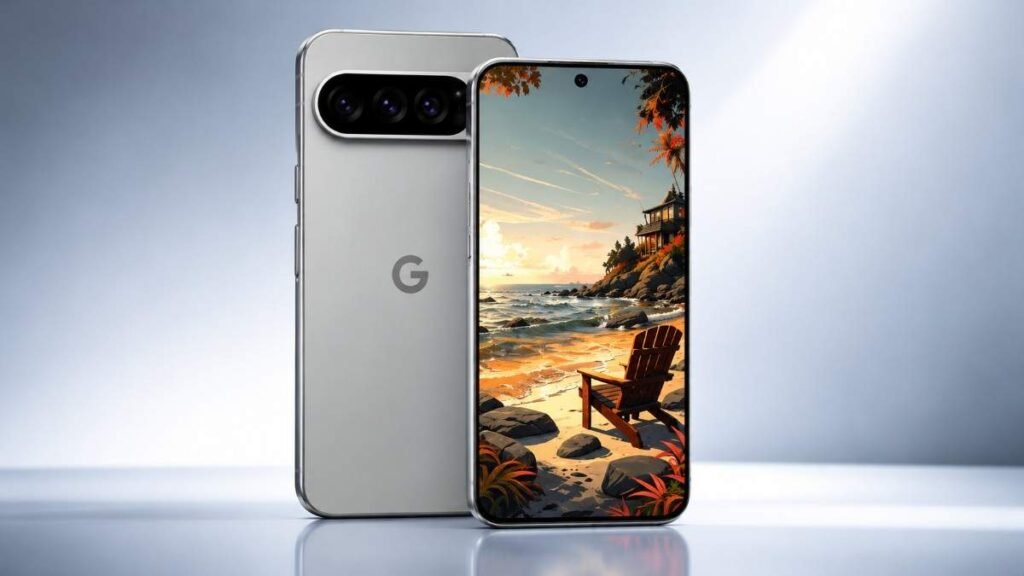
Google confirmed a 2–3 year redesign cadence for Pixel hardware. The Pixel 10 was a redesign year. The Pixel 11 is a refinement year. Do not expect a dramatically different phone.
What is changing, based on leaked CAD renders from Android Headlines:
- Thinner bezels across all models — the most noticeable visual change
- An all-black camera bar, removing the frame-color accent from previous models and returning to a Pixel 6-style visor aesthetic
- Body dimensions nearly identical to the Pixel 10 at 152.8 x 72 x 8.5mm, shaved by 0.1mm in thickness
Existing Pixel 10 cases will not fit, because the redesigned camera bar shape requires new case molds — even though the phone’s footprint is essentially unchanged.
Key Facts Summary
| Topic | Detail |
|---|---|
| Expected Launch | August 2026 (Pixel 11, Pro, Pro XL); October 2026 (Pro Fold) |
| Chip | Tensor G6, TSMC 2nm — first smartphone on this node |
| Modem | MediaTek M90, replacing Samsung Exynos after six years |
| New Feature | Pixel Glow RGB LED array (Pro models) |
| Display — Standard | 6.3-inch OLED, 2,200 nits |
| Display — Pro | Samsung M16 OLED, up to 3,600 nits |
| Base Price (Est.) | ~$799 (standard), ~$999 (Pro) |
| Codenames | Cubs / Grizzly / Kodiak / Yogi |
| Face Unlock | Not included in 2026 lineup |
| Design | Refinement year, not a full redesign |
Frequently Asked Questions
Will the Pixel 11 have better battery life than the Pixel 10? Yes. The Tensor G6’s 2nm process efficiency, combined with the MediaTek M90 modem’s lower power draw and the Samsung M16 display on the Pro, points to a 15–20% improvement in real-world endurance over the Pixel 10.
How does the Pixel 11 camera compare to the iPhone 17? Both are strong. Google’s computational photography and Night Sight processing are best in class for stills and low-light. Apple has the edge in video consistency and codec quality. The new “Chemosh” sensor and improved on-device ISP make the Pixel 11 camera a genuine competitor.
What does the Tensor G6 benchmark performance look like? Official results are not available yet. Architectural analysis and early Geekbench data tied to the “Kodiak” prototype suggest a 20–25% CPU improvement over Tensor G5. GPU performance is expected to trail rivals due to the older PowerVR architecture.
Will the Pixel 11 support satellite connectivity? Yes. The MediaTek M90 modem includes satellite support for emergency SOS, similar to Apple’s implementation since the iPhone 14.
Does the Pixel 11 have under-display face unlock? No. Google’s “Project Toscana” was not ready in time and will not be included. The Pixel 11 lineup uses fingerprint sensors only.
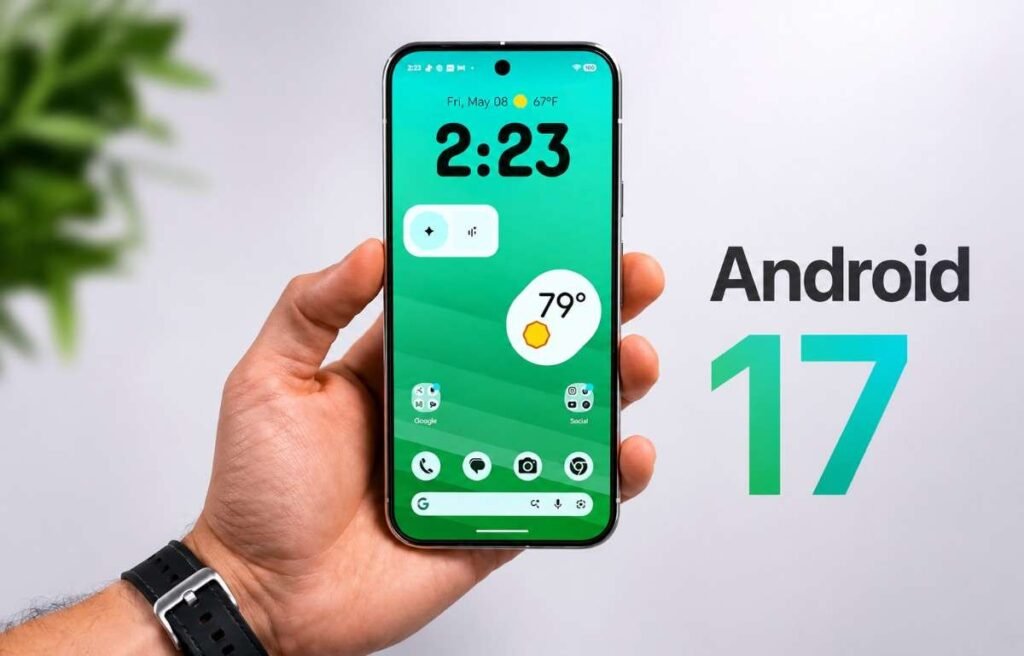
What Android version will the Pixel 11 ship with? Android 17.
Will existing Pixel 10 cases fit the Pixel 11? No. The redesigned camera bar requires new case molds despite nearly identical body dimensions.
When does Google typically announce Pixel phones? Google has held a “Made by Google” hardware event in August two years running. Invites typically go out in late June or early July.
Where to Follow Official Announcements
For verified, first-party information about the Pixel 11 series as it becomes available, monitor these official sources:
- Google Store — pre-orders and purchase pages go live here at launch
- Google Blog (The Keyword) — official product announcement posts from Google
- Made by Google on YouTube — live stream of the hardware event
- Android Developers Blog — Android 17 and software details tied to the Pixel 11 launch
Everything in this article is based on credible Google Pixel 11 leaks and reporting from sources with a strong track record on Pixel hardware. Treat all specs and pricing as unconfirmed until Google makes them official at the Made by Google event.
Last updated: June 25, 2026. This article will be updated as Google confirms details ahead of the August launch event.
Read More:
OnePlus Turbo 6X Unboxing and First Look: The Most Affordable OnePlus Phone Yet?





1 thought on “Google Pixel 11 Leaks: Release Date, Price, Full Specs & Biggest Upgrades Revealed (2026)”