
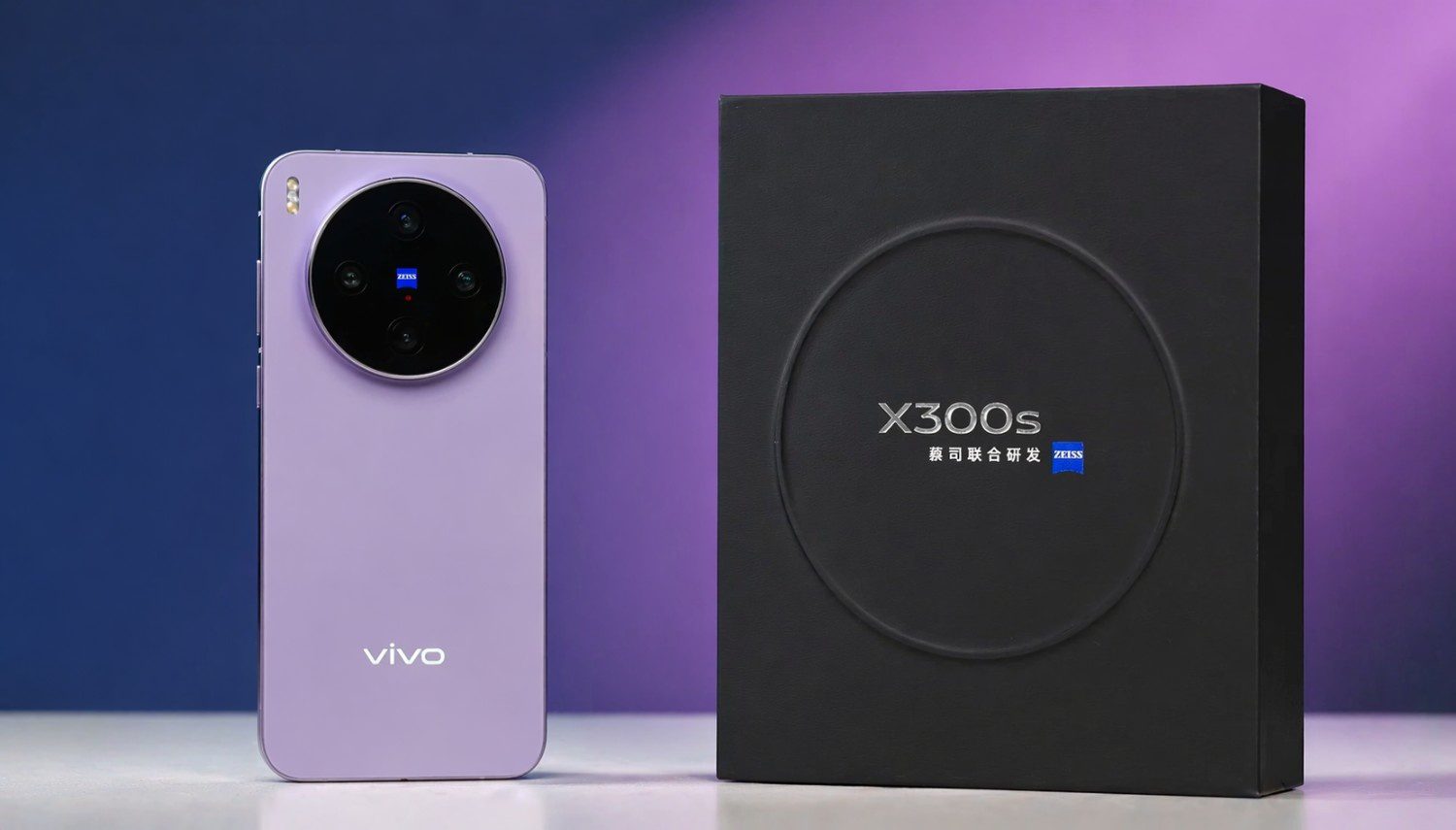
Vivo X300s Review: 200MP Camera, 7100mAh Battery and 144Hz Display Explained
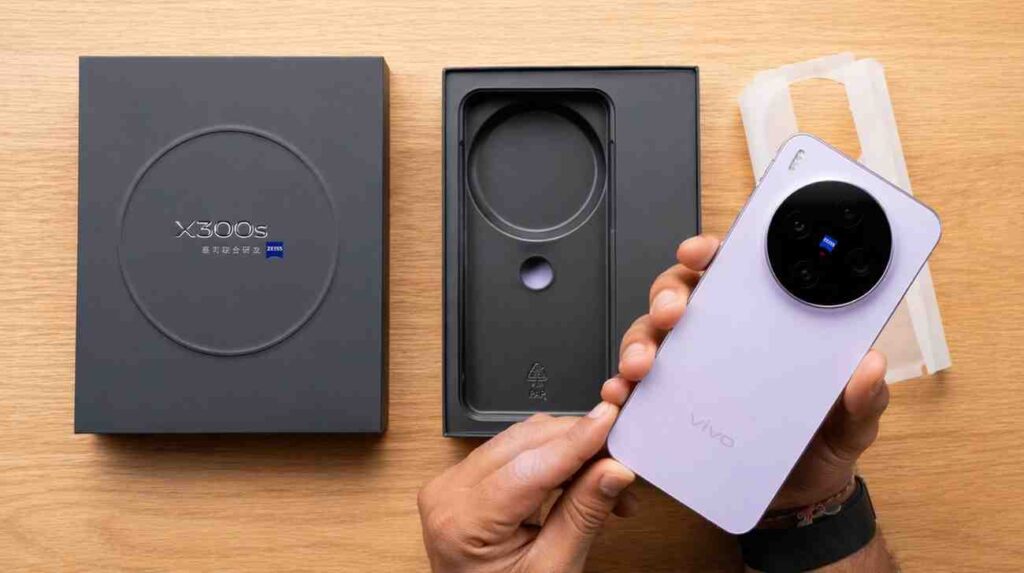
Quick Summary: The Vivo X300s is the most aggressive upgrade Vivo has ever shipped under an “s” badge. It brings a record 7100mAh battery, a 200MP Zeiss-certified triple camera system, and the first 144Hz AMOLED display in the entire X series. It launched in China on March 30, 2026. An India launch is expected in mid-2026.
Most phones with an “s” in the name are a quiet refresh – slightly faster processor, maybe a new shade of blue. Vivo internally debated naming this phone the X300 Max. That single detail tells you more than any spec sheet can.
The Vivo X300s launched in China on March 30, 2026, and it is one of the more genuinely surprising flagship announcements of the year. A 200MP main sensor backed by a 1/1.4-inch Samsung chip. A 7100mAh battery that is 17 percent larger than the standard X300. The first 144Hz display Vivo has ever put in the X lineup. And dual IP68 plus IP69 water resistance – which already goes further than most competitors bother to.
In a market where flagship phones routinely ask you to choose between great cameras and strong battery life, Vivo appears to have decided that is an unreasonable trade-off.
This article covers every confirmed Vivo X300s spec, what those specifications mean in practical terms, the official China price, the expected Vivo X300s price in India, and an honest account of what the phone is still missing.
Vivo X300s — Complete Specifications at a Glance
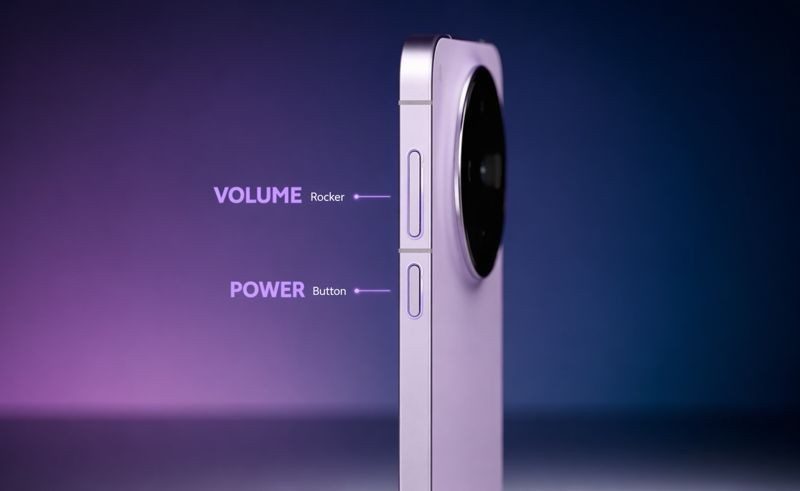
All specifications in the table below are officially confirmed by Vivo or corroborated by multiple verified tech publications, including GSMArena, Gizmochina, and NotebookCheck.
| Specification | Detail |
|---|---|
| Display | 6.78-inch BOE Q10+ AMOLED, 1.5K, 144Hz LTPO |
| Peak Brightness | 4,500 nits |
| Processor | MediaTek Dimensity 9500 (3nm architecture) |
| GPU | Arm Mali-G1-Ultra MC12 |
| RAM | 12GB or 16GB LPDDR5X |
| Storage | 256GB / 512GB / 1TB — UFS 4.1 |
| Main Camera | 200MP Samsung HPBr, 1/1.4-inch sensor, f/1.68, OIS |
| Ultrawide Camera | 50MP |
| Telephoto Camera | 50MP periscope, Sony LYTIA 602, 3.5x optical zoom, OIS |
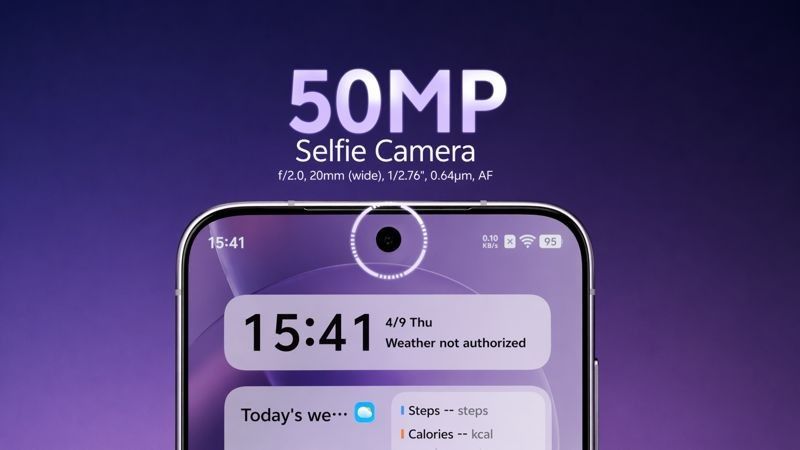
| Front Camera | 50MP, f/2.0 |
| Battery | 7,100mAh Blue Ocean cell |
| Wired Charging | 90W |
| Wireless Charging | 40W |
| Reverse Wireless | Supported |
| Operating System | Android 16 with OriginOS 6 |
| Software Support | 5 major Android updates guaranteed |
| Durability Rating | IP68 and IP69 — dual certified |
| Connectivity | Wi-Fi 7, Bluetooth 5.4, USB 3.2, NFC, NavIC |
| Fingerprint Sensor | 3D Ultrasonic In-Display 2.0 |
| Dimensions | 162 x 75.5 x 8mm, approximately 217g |
| Available Colors | Black, Silver, Purple, Green |
What Does the “s” in Vivo X300s Actually Stand For?
Before the detailed breakdown, a bit of context worth knowing.
Vivo’s product manager Han Boxiao confirmed via Weibo in early March 2026 that the company had seriously considered calling this device the X300 Max — because the hardware upgrades were significant enough to justify a different name entirely. They ultimately settled on the “s” suffix, with Boxiao clarifying that it stands for “SuperMax.”
That framing is not accidental. The battery grew by over 17 percent compared to the base X300. The X series received its first-ever 144Hz display. Three 50MP-plus secondary sensors now surround the 200MP primary – something Vivo has never done before in this lineup.
The X300s sits alongside the Vivo X300 Ultra in the brand’s 2026 premium tier. The Ultra prioritizes camera innovation above everything; the X300s offers a broader balance – large screen, flagship performance, strong cameras, and exceptional battery life at a more competitive price.
Display: The First 144Hz Panel in X Series History
The Vivo X300s carries a 6.78-inch BOE Q10+ AMOLED panel – and this is the first time any device in the X series has crossed the 120Hz mark. That distinction matters not just as a spec line item, but because of how the 144Hz is implemented.
The panel uses 8T LTPO technology with a Q10 Plus luminescent substrate. LTPO allows the display to adapt its refresh rate dynamically – dropping lower when you are reading a static page, climbing to full 144Hz during fast-scrolling or gameplay. The result is a smoother experience with less battery drain compared to a static high-refresh panel.
Display Specifications and What They Mean
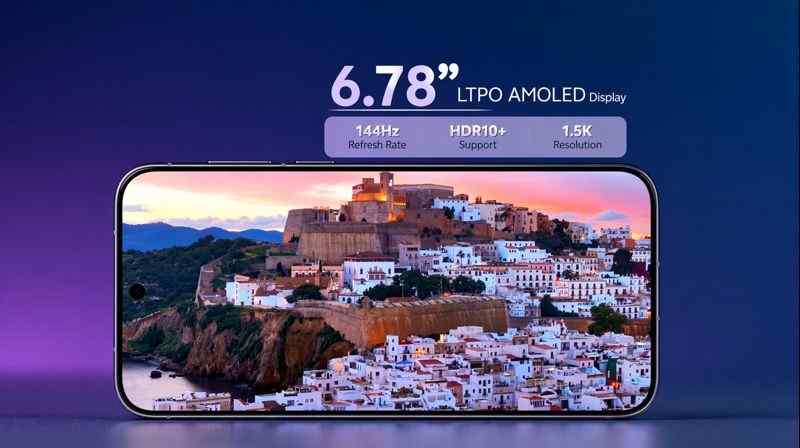
| Feature | Specification | Practical Benefit |
|---|---|---|
| Refresh Rate | 144Hz LTPO adaptive | Smoother than the vast majority of 2026 flagships |
| Peak Brightness | 4,500 nits | Clearly visible in direct sunlight |
| Global Brightness | 2,000 nits | Comfortable and well-balanced indoors |
| Color Gamut | 100% DCI-P3 | Accurate, true-to-life color reproduction |
| HDR Standard | HDR10+ | Better contrast and dynamic range in streaming |
| PWM Dimming | 2,160Hz | Reduces flicker-related eye fatigue |
| Gaming Support | Native 144FPS in Honor of Kings | Genuine competitive gaming performance |
| Screen Protection | Armor Glass | Resistance against everyday drops and scratches |
The 2,160Hz PWM dimming rate is worth highlighting specifically. Displays that use low PWM frequencies flicker at a rate the eye cannot consciously detect – but the brain registers it over extended use, causing fatigue and strain. Many users sensitive to screens notice a meaningful difference with high-frequency PWM. Vivo’s implementation here sits among the best available in 2026.
Zeiss Master Color calibration provides color accuracy tuning. Circular polarization technology reduces outdoor reflections. According to Gizmochina’s official launch report, this is confirmed as the first 144Hz panel in the entire X series lineup.
Camera: 200MP Main Sensor With Full Zeiss Certification
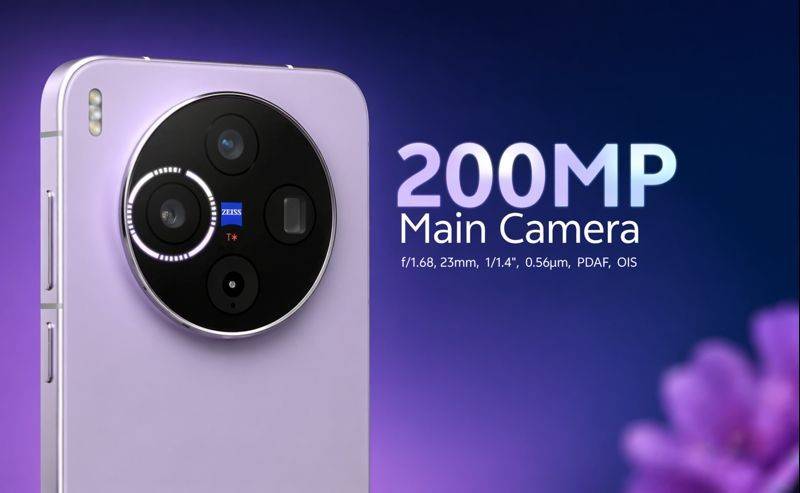
A 200MP number can be a genuine capability or a marketing headline with little substance beneath it. Here, the supporting hardware is strong enough to take the figure seriously.
The main camera is built around a Samsung HPBr sensor with a 1/1.4-inch physical size, f/1.68 aperture, optical image stabilization, and phase-detection autofocus. Sensor size is one of the most important variables in low-light photography – and 1/1.4-inch is large by any current standard, including among devices at this price point.
Rear Camera Configuration
| Camera | Sensor | Aperture | Notable Features |
|---|---|---|---|
| Main — 200MP | Samsung HPBr, 1/1.4-inch | f/1.68 | OIS, PDAF |
| Ultrawide — 50MP | Not specified | Not specified | High-detail wide angle coverage |
| Periscope Telephoto — 50MP | Sony LYTIA 602 | f/2.57 | OIS, 3.5x optical zoom, macro support |
| Front Camera — 50MP | Not specified | f/2.0 | Video calls and self-portraits |
The telephoto carries Zeiss APO certification – apochromatic lens correction that addresses chromatic aberration, keeping color fringing out of high-zoom shots. Zeiss T-coating on the glass further reduces internal reflections and lens flare. These are the same optical standards applied in professional imaging equipment, and their presence here goes beyond a branding partnership.
The periscope telephoto also supports macro shooting – an uncommon feature for this type of lens, where the optical design typically makes close-focus distances difficult.
Software and AI Camera Features
| Feature | Function |
|---|---|
| Blueprint Native Color | Improved color accuracy across different lighting conditions |
| Zoom Flash II | 14 percent better color rendering at telephoto distances |
| AI Creation Camera | Scene recognition and automated photography optimization |
| Zeiss APO Telephoto Mode | Chromatic aberration correction across zoom range |
| Lipstick 200 Teleconverter Kit | Optional accessory for extreme focal lengths |
One honest note: hardware specifications are a foundation, not a final result. Real-world image quality depends on Vivo’s processing pipeline, tuning decisions, and behavior in challenging low-light scenarios. The Samsung HPBr sensor is excellent on paper. Whether the output photos match that potential will only be clear through extended independent testing.
Battery: 7100mAh — The Largest Vivo Has Ever Shipped in the X Line
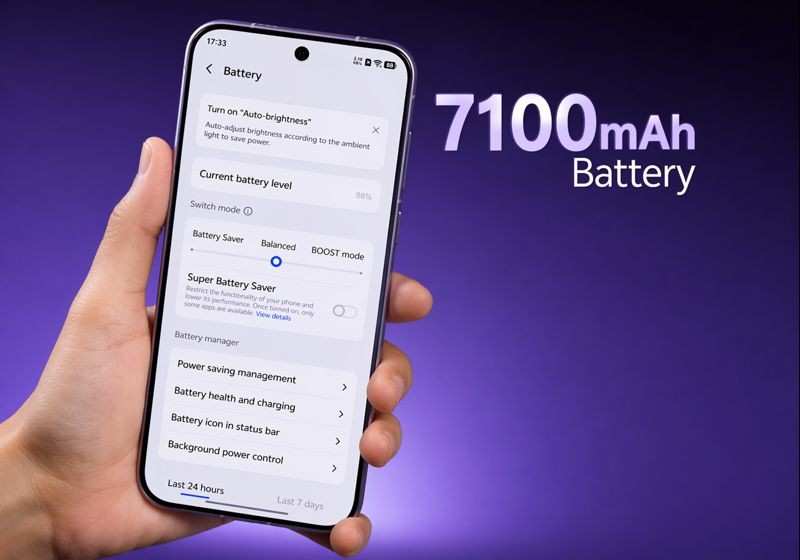
The 7,100mAh Blue Ocean battery is the headline specification that most buyers will stop at — and it deserves the attention. This is the largest battery Vivo has ever placed in any X-branded device, and Vivo product manager Han Boxiao officially confirmed the capacity via Weibo in early March 2026.
The increase from the standard X300’s 6,040mAh represents a jump of more than 17 percent. That is not a marginal upgrade – it is a meaningful expansion in a category where most competing flagships still ship with batteries in the 5,000 to 5,500mAh range.
Battery Size Comparison Within the Vivo X300 Lineup
| Model | Battery Capacity | Difference |
|---|---|---|
| Vivo X300 | 6,040mAh | Baseline |
| Vivo X300 Pro | 6,510mAh | +470mAh |
| Vivo X300s | 7,100mAh | +1,060mAh over base X300 |
Charging Speed Breakdown
| Charging Method | Speed | Expected Performance |
|---|---|---|
| Wired Fast Charging | 90W | Full charge in approximately 55 to 65 minutes |
| Wireless Charging | 40W | Among the fastest wireless charging available |
| Reverse Wireless | Supported | Can charge earbuds and accessories |
The combination of a 7,100mAh cell with 90W wired charging is noteworthy. Many manufacturers reduce charging wattage on large batteries to manage heat. Vivo kept the 90W speed, which means you are not trading away fast-charging convenience for the extended capacity.
Based on battery size alone, moderate users should realistically expect two full days between charges. Heavy users – gaming, video streaming, navigation — will likely see a full day of use with considerable headroom. According to My Mobile India’s launch coverage, the battery “could easily deliver up to two days of usage on a single charge.”
Performance: Dimensity 9500 With Dual-Chip Camera Architecture
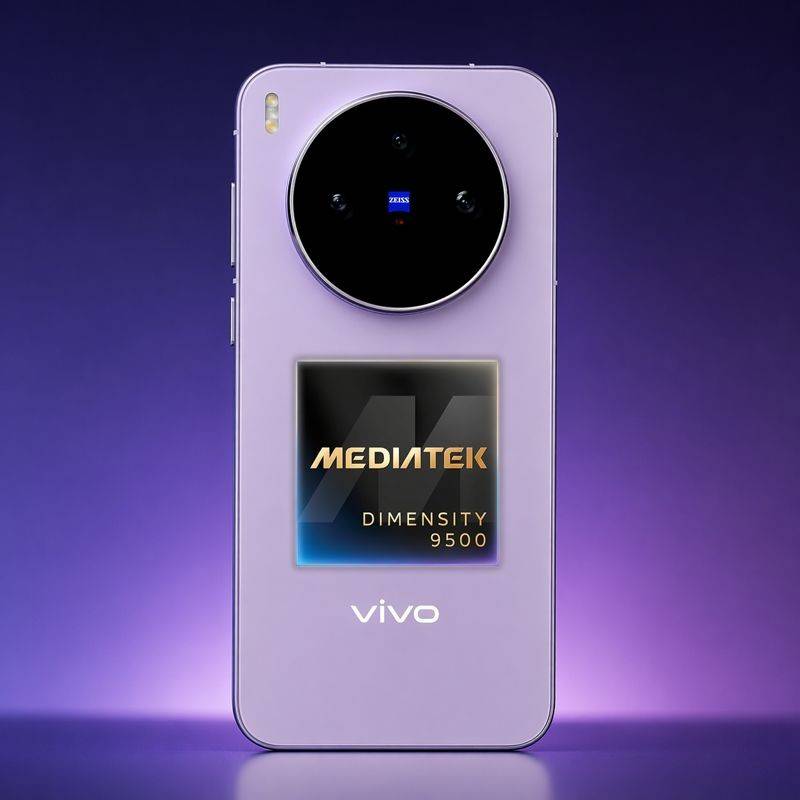
The Vivo X300s runs on the MediaTek Dimensity 9500, built on a 3nm process and paired with the Arm Mali-G1-Ultra MC12 GPU. A Geekbench listing confirmed under device model number V2548A – showing 16GB of LPDDR5X RAM and Android 16 — was reported by NotebookCheck in March 2026.
What separates this device from a standard Dimensity 9500 implementation is the secondary chip. Vivo includes their own V3+ Blueprint imaging chip, which handles the camera processing pipeline independently from the main processor. This dual-chip approach – one chip for general tasks, one dedicated to image computation – mirrors the architecture used by Google Pixel and Apple iPhone to achieve their camera performance. It offloads real-time photography work from the SoC, which improves both image quality and thermal management during camera use.
Performance and Software Summary

| Component | Specification |
|---|---|
| Processor | MediaTek Dimensity 9500, 3nm |
| GPU | Arm Mali-G1-Ultra MC12 |
| Imaging Co-Processor | Vivo V3+ Blueprint chip |
| Cooling System | Ice Pulse VC liquid cooling |
| RAM | 12GB or 16GB LPDDR5X |
| Storage | 256GB / 512GB / 1TB UFS 4.1 |
| Operating System | Android 16 with OriginOS 6 |
| Software Longevity | 5 major Android version updates |
| Gaming | Native 144FPS supported in Honor of Kings |
The Ice Pulse VC liquid cooling system handles thermal dissipation – relevant for sustained gaming and prolonged 4K video recording, where heat management directly affects whether the processor can maintain peak performance over time.
Build and Durability: IP68 and IP69 Together

The majority of flagship phones offer an IP68 rating. The Vivo X300s carries both IP68 and IP69.
The difference is concrete. IP68 covers submersion in still water – up to 1.5 meters for 30 minutes under standard testing. IP69 adds protection against high-pressure, high-temperature water jets, the kind used in industrial cleaning equipment. For everyday use, this means rain, splashes, humid environments, and accidental drops in water are all handled without concern.
According to GSMArena’s spec corroboration from March 24, 2026, the dual IP rating is backed by multiple independent sources and was not disputed ahead of launch.
Build Quality and Hardware Details
| Feature | Detail |
|---|---|
| Frame Material | Metal |
| Water and Dust Resistance | IP68 + IP69 dual rating |
| Display Protection | Armor Glass |
| Fingerprint Sensor | 3D Ultrasonic In-Display 2.0 |
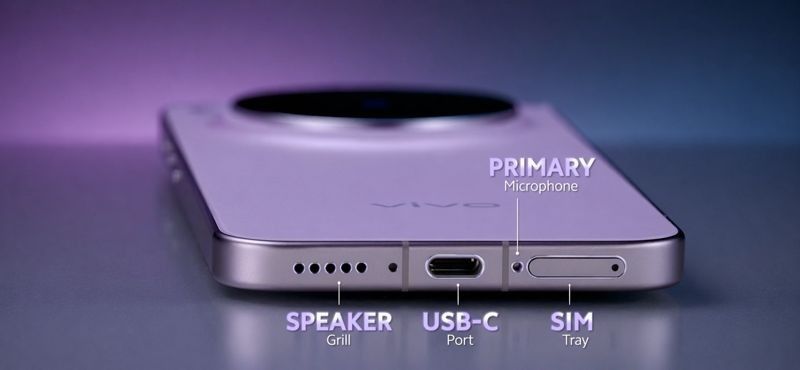
| USB Port | Type-C 3.2 |
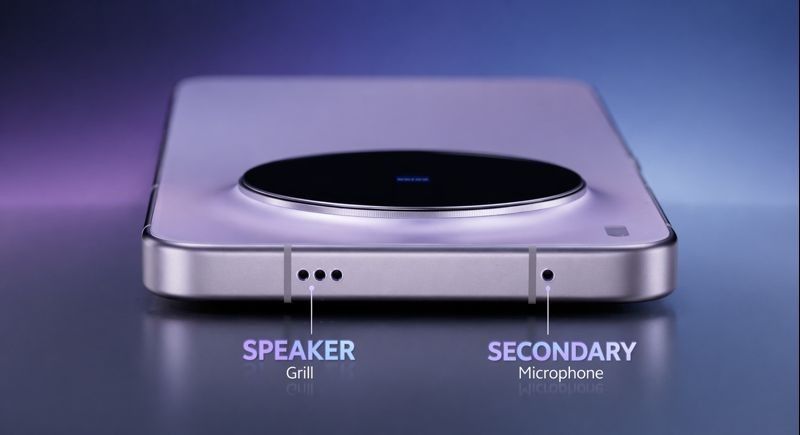
| Audio | Symmetric 1511 dual stereo speakers, Hi-Fi support |
| Infrared Blaster | Yes |
| Dimensions | 162 x 75.5 x 8mm |
| Weight | Approximately 217g |
| Available Colors | Black, Silver, Purple, Green |
The USB 3.2 port is a direct hardware upgrade over the Vivo X200s, which did not include this standard. USB 3.2 enables faster file transfers and supports display output – increasingly practical as more users connect phones to monitors or use them in desktop-mode setups.
Connectivity: Wi-Fi 7, Bluetooth 5.4 and NavIC
| Connection Type | Specification |
|---|---|
| Cellular | 5G SA and NSA dual-mode |
| Wi-Fi | Wi-Fi 7 — latest generation standard |
| Bluetooth | 5.4 |
| NFC | Supported |
| USB | Type-C 3.2 |
| Satellite Navigation | GPS L1+L5, GLONASS, BDS, Galileo, QZSS, NavIC |
| Infrared | Yes |
NavIC support – the Indian Regional Navigation Satellite System – is directly relevant for buyers in India and South Asia. Including NavIC requires additional satellite receiver hardware; it is not a software toggle. Its presence here reflects Vivo’s deliberate engineering choices for the Indian market, where NavIC improves positioning accuracy particularly in areas with limited GPS coverage.
Vivo X300s Price — China and India
Official China Pricing (Launched March 30, 2026, Sales from April 3)
| Storage Variant | China Price (CNY) | Approximate USD |
|---|---|---|
| 12GB + 256GB | CNY 4,999 | Approx. USD 690 |
| 16GB + 512GB | CNY 5,499 to 5,999 | Approx. USD 760 to 830 |
| 16GB + 1TB | CNY 6,999 | Approx. USD 965 |
Expected Vivo X300s Price in India (Unconfirmed as of April 2026)
Based on Vivo’s historical India pricing strategy and early estimates from Smartprix and GSMArena India:
| Storage Variant | Expected India Price |
|---|---|
| 12GB + 256GB | INR 67,999 to INR 70,000 |
| 16GB + 512GB | INR 75,000 to INR 80,000 |
| 16GB + 1TB | INR 90,000 and above |
No official India launch date has been confirmed as of April 20, 2026. Based on Vivo’s typical international rollout pattern – generally two to three months after China – an India launch in June or July 2026 is a reasonable expectation. This page will be updated the moment official pricing is announced.
What the Vivo X300s Is Missing — An Honest Assessment
Strong tech coverage means accounting for what is absent, not only what is present.
| Missing Feature | Practical Impact |
|---|---|
| No 3.5mm headphone jack | USB-C audio adapter required for wired headphones |
| No microSD card expansion | Storage is limited to built-in options, up to 1TB |
| Weight at approximately 217g | May be uncomfortable for extended one-handed use |
| Global availability unconfirmed | Only China launch confirmed as of April 2026 |
| Camera real-world quality unverified | Specs are strong; actual output awaits independent review |
The camera point is the most important one for buyers choosing based on photography. The Samsung HPBr sensor is a large, capable piece of hardware – but final photo quality is determined by software tuning, computational photography processing, and low-light rendering, none of which a specification sheet can confirm. Waiting for hands-on camera evaluations from independent reviewers is the right approach before committing.
Vivo X300s vs Vivo X300 (Quick Comparison)
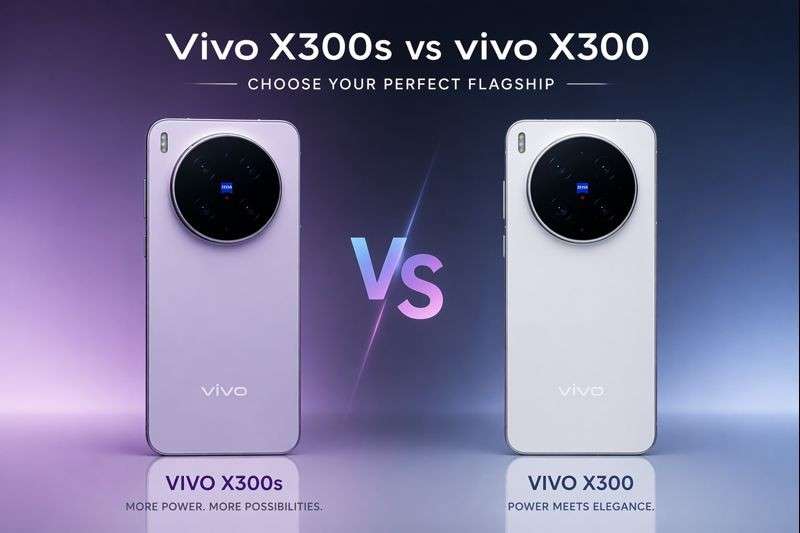
If you’re confused between the Vivo X300s and Vivo X300, here’s the real difference – fast and clear.
| Feature | Vivo X300s | Vivo X300 |
|---|---|---|
| Display | 6.78″ AMOLED, 144Hz | 6.67″ AMOLED, 120Hz |
| Processor | Dimensity 9500 | Dimensity 9400 |
| Main Camera | 200MP | 50MP |
| Battery | 7100mAh | 6040mAh |
| Charging | 90W | 80W |
| Build | IP68 + IP69 | IP68 |
| Performance | More powerful | Slightly lower |
Quick Verdict
- Choose X300s → If you want best battery + camera + performance
- Choose X300 → If you want lower price with solid performance
Simple: X300s is a true upgrade, not just an “s” version.
Final Verdict
| Category | Rating | Assessment |
|---|---|---|
| Display | 5 out of 5 | First 144Hz in X series; rivals Samsung and Apple flagships |
| Camera Hardware | 5 out of 5 | Zeiss-certified, large sensor, strong secondary cameras |
| Battery | 5 out of 5 | 7100mAh with 90W charging is class-leading in 2026 |
| Performance | 4.5 out of 5 | Dimensity 9500 and V3+ make a capable combination |
| Build Quality | 4.5 out of 5 | Metal frame and dual IP rating set a high standard |
| Value | 4 out of 5 | Competitive given the hardware on offer |
The Vivo X300s does not compromise. It goes all-in on three things – display quality, camera hardware, and battery life – and supports each one with genuinely premium components. For buyers who want a large-screen flagship that does not ask them to sacrifice battery life for camera quality, or camera quality for display performance, this device makes a credible case.
Camera-first buyers should still wait for independent testing before purchasing. The hardware credentials are serious; whether the output photos match them will determine the final verdict on that front.
For India buyers specifically, the moment official pricing and availability are confirmed, the X300s will be one of the most closely watched phones in the sub-80,000 rupee segment.
Frequently Asked Questions
What is the Vivo X300s price in India?
No official India price has been confirmed as of April 2026. Based on China pricing starting at CNY 4,999 and Vivo’s historical India pricing approach, the Vivo X300s is expected to start between INR 67,999 and INR 70,000 for the 12GB and 256GB base model. The top 16GB and 1TB variant may reach INR 90,000 or above. An India launch is expected in mid-2026. This article will be updated when official figures are announced.
Does the Vivo X300s have a 200MP camera?
Yes. The Vivo X300s features a 200MP Samsung HPBr main sensor with a 1/1.4-inch physical size, f/1.68 aperture, optical image stabilization, and phase-detection autofocus. It is part of a Zeiss-certified triple rear camera system that also includes a 50MP ultrawide and a 50MP periscope telephoto built around the Sony LYTIA 602 sensor. The front camera is also 50MP. All camera specifications have been officially confirmed by Vivo ahead of the March 30 launch.
How long does the Vivo X300s battery last?
The Vivo X300s carries a 7,100mAh Blue Ocean battery – the largest ever in a Vivo X series device, and 17 percent larger than the standard X300’s 6,040mAh cell. With 90W wired charging, a full charge should take under one hour. Based on capacity alone, moderate users can reasonably expect two full days of battery life between charges. Heavy users -high-brightness gaming, sustained streaming – will likely see a strong single day with significant remaining charge. Exact real-world figures will come from independent battery testing.
Is the Vivo X300s waterproof?
Yes. The Vivo X300s carries both IP68 and IP69 ratings – a dual certification that exceeds the IP68 protection offered by most flagship phones. IP68 covers water submersion; IP69 adds protection against high-pressure water jets. This makes the X300s one of the most durability-certified smartphones available at its price point.
What processor does the Vivo X300s use?
The Vivo X300s is powered by the MediaTek Dimensity 9500, built on a 3nm process with the Arm Mali-G1-Ultra MC12 GPU. It pairs this with Vivo’s own V3+ Blueprint imaging chip for dedicated camera processing. RAM options are 12GB or 16GB LPDDR5X, and storage reaches up to 1TB via UFS 4.1. A Geekbench listing under model number V2548A confirmed these specifications in March 2026, as documented by NotebookCheck.
When will the Vivo X300s launch in India?
The Vivo X300s launched in China on March 30, 2026, with sales beginning April 3. As of April 2026, no official India launch date has been announced. Based on Vivo’s standard rollout timeline – typically two to three months after the China debut – an India launch in June or July 2026 is the most likely window. Global availability beyond China remains unconfirmed.
Sources and External References
All data cited in this article comes from verified, authoritative technology publications and official Vivo communications.
| Source | What It Confirms |
|---|---|
| Gizmochina — Official Launch Coverage | Full launch specifications |
| GSMArena — Hardware Corroboration | Independent spec verification |
| NotebookCheck — Geekbench and Processor Data | Processor, RAM, and benchmark confirmation |
| Gadget Hacks — Full Spec Leak Analysis | Detailed pre-launch hardware breakdown |
| Techlomedia — Camera System Details | Camera sensor and feature details |
| My Mobile India — Battery and Charging | Battery capacity and charging speeds |
| Smartprix — India Pricing Estimates | India expected price data |
Han Boxiao, Vivo’s product manager, personally confirmed the battery capacity, display specifications, and SuperMax naming rationale via Weibo posts in early March 2026.
Written by Aman Rauniyar. Verified against official Vivo announcements, confirmed hardware listings, and reporting from multiple trusted technology publications. Last updated: April 20, 2026.
If there is a question about the Vivo X300s that this article did not address, leave it in the comments section below. Reader questions are reviewed and incorporated into future updates.







2 thoughts on “Vivo X300s Features – 200MP Camera, 7100mAh Battery & 144Hz Display”