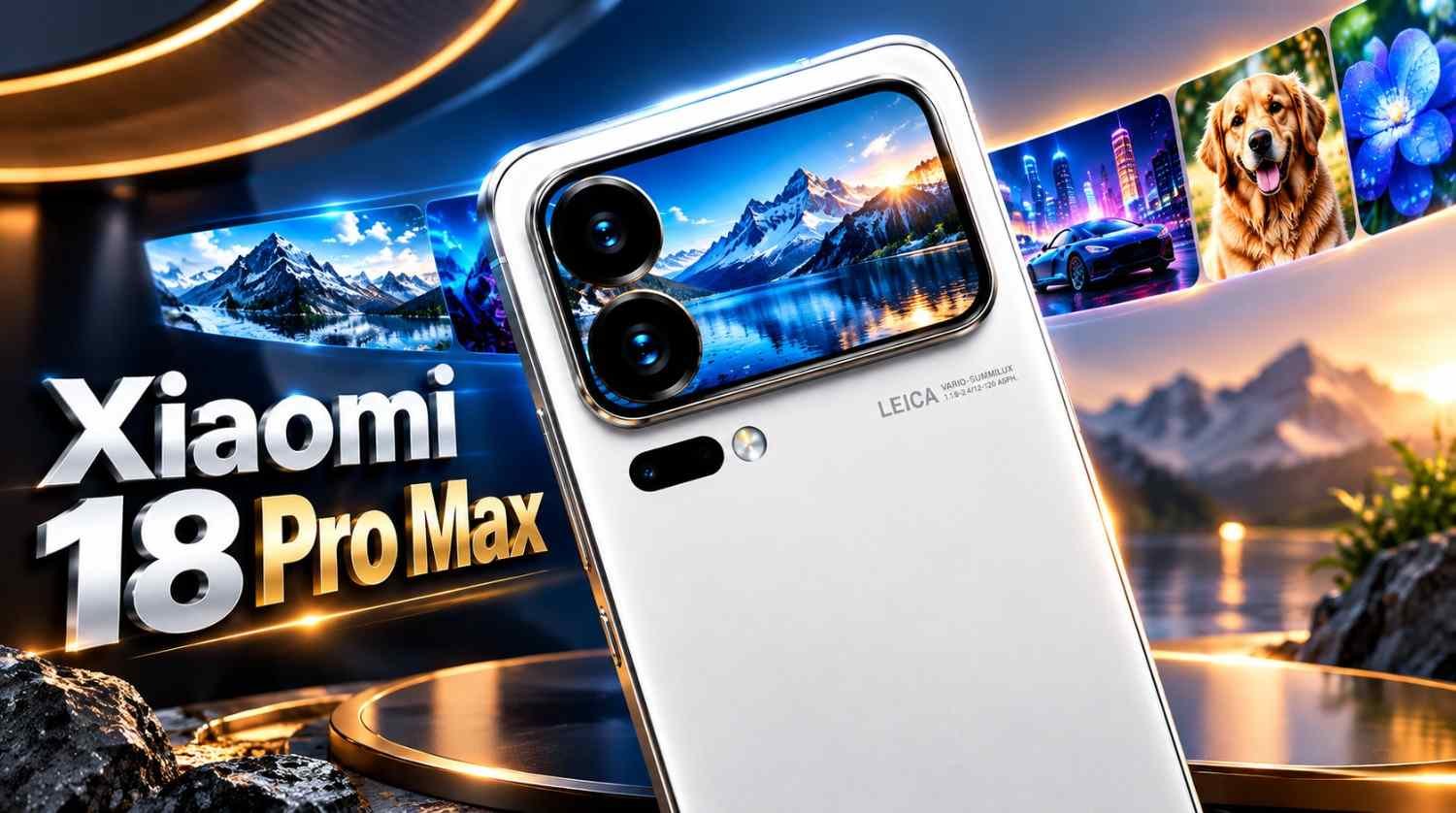
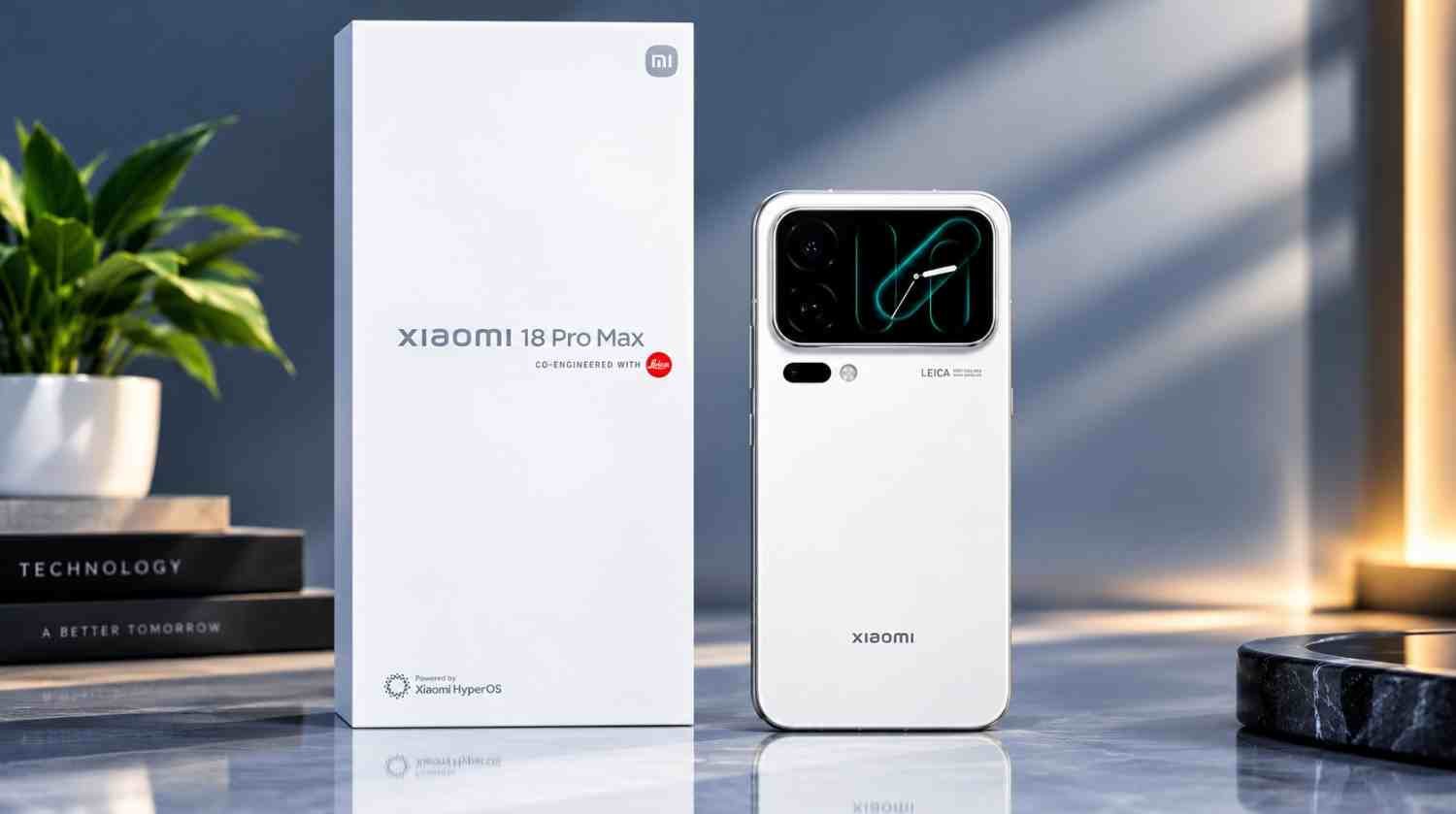
Most flagship phones in 2026 play it safe. A brighter screen here, a faster chip there, a battery that still barely makes it through the day. The Xiaomi 18 Pro Max doesn’t play it safe. It ships with an 8,500mAh battery — larger than any mainstream flagship on the market. Two 200MP Leica cameras. A hardware-level privacy screen that physically blocks side viewing angles. And the first 2nm Snapdragon chip to hit 5.0GHz.
But specs on a sheet don’t tell you whether a phone is worth buying. The real question is whether Xiaomi’s hardware bets actually work in daily use, and whether the ₹87,000 starting price (China pricing) makes sense compared to the Samsung Galaxy S26 Ultra and iPhone 18 Pro Max.
We’ve spent time with the Xiaomi 18 Pro Max’s specifications, compared it against every major rival, and broken down what actually matters. Here’s everything you need to know.
Quick Answer
The Xiaomi 18 Pro Max is the first phone to ship with Qualcomm’s Snapdragon 8 Elite Extreme Gen 6 — a 2nm chip running at 5.0GHz. It pairs that with a 6.9-inch LTPO AMOLED main display, a 2.9-inch AMOLED rear display, a staggering 8,500mAh battery, and — for the first time in a Xiaomi flagship — two 200MP Leica cameras. Prices start at CNY 6,999 (around $1,042 / ₹87,000).
Why the Xiaomi 18 Pro Max Is Getting Attention
There are flagship phones, and then there’s the Xiaomi 18 Pro Max. This isn’t just a spec bump over the Xiaomi 17 Pro Max — it’s a rethinking of what a flagship Android phone should be in 2026. Four things make it stand out:
8,500mAh Battery
That’s 58% larger than the iPhone 18 Pro Max and 70% larger than the Galaxy S26 Ultra. Xiaomi claims it can last two days.
Two 200MP Cameras
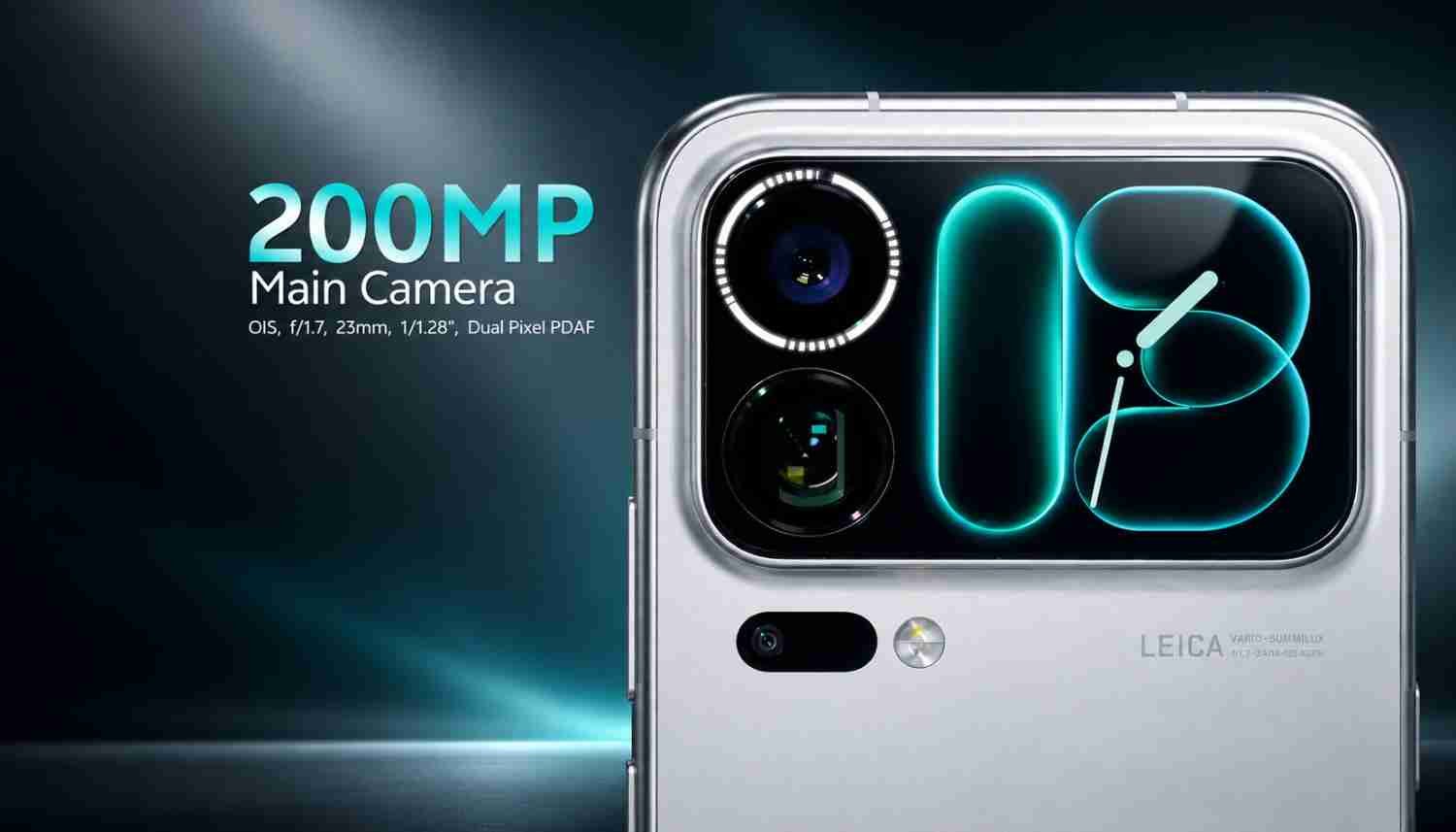
A 200MP main sensor and a 200MP periscope telephoto. The telephoto alone is a 1/1.56-inch sensor — bigger than most phones’ main cameras.
Hardware Privacy Screen
Not a software filter. Xiaomi built baffled pixels into the panel itself. At angles beyond 60 degrees, side brightness drops to 1%.
2.9-inch Rear Display
It runs AI-generated mini-apps, acts as a viewfinder for selfies, and shows notifications without waking the main screen.
Latest Xiaomi 18 Pro Max Update
October 9, 2026: Xiaomi President Lu Weibing has confirmed the 18 Pro series will launch globally in November 2026 — much earlier than Xiaomi’s usual international release cycle. The company is targeting Europe, the Americas, and the Middle East.
September 23, 2026: Xiaomi launched the 18 Pro and 18 Pro Max in China. The Pro Max is the first phone with Qualcomm’s Snapdragon 8 Elite Extreme Gen 6 chip, a 2nm processor running at 5.0GHz.
Xiaomi 18 Pro Max — Current Status
Last checked: October 9, 2026| China launch | Released Sept 23 |
| Global launch | Confirmed for Nov 2026 |
| India launch | May be skipped |
| Official India pricing | Not announced |
| HyperOS 4 rollout | Stable from Oct 15 |
How We Verified This Information
- Official Xiaomi Specifications and China pricing confirmed from Xiaomi’s official product page.
- Launch reporting Details confirmed via PhoneArena, Notebookcheck, and FoneArena.
- India availability Reports from Smartprix and My Mobile India indicate the Pro Max may not come to India.
- Comparison data Spec comparisons from Smartprix and PhoneArena.
- We have not personally tested this device All performance and camera impressions are attributed to the reviewers who conducted hands-on testing.
Xiaomi 18 Pro Max Price and Availability
The Xiaomi 18 Pro Max launched in China on September 23, 2026. There’s a common misconception floating around that the phone starts at ₹99,999 in India — that figure comes from speculative listings on price-tracking sites, not from Xiaomi itself. Here’s what we actually know.
| Variant | China Price (CNY) | Approx. USD | Approx. INR |
|---|---|---|---|
| 12GB + 256GB | ¥6,999 | ~$1,042 | ~₹87,000 |
| 12GB + 512GB | ¥7,999 | ~$1,190 | ~₹1,14,000 |
| 16GB + 512GB | ¥8,999 | ~$1,340 | ~₹1,29,000 |
| 16GB + 1TB | ¥9,999 | ~$1,490 | ~₹1,43,000 |
| Transparent Edition (16GB + 1TB) | ¥10,999 | ~$1,640 | ~₹1,57,000 |
Global and India availability
Xiaomi President Lu Weibing confirmed the 18 Pro series will launch globally in November 2026, targeting Europe, the Americas, and the Middle East. That’s unusually early for Xiaomi — typically, its Chinese flagships take six months to a year to reach international markets.
But India is a different story. Reports from Smartprix and My Mobile India indicate that Xiaomi may skip the 18 Pro Max in India entirely, bringing only the standard Xiaomi 18 Pro to the Indian market. The reason? Xiaomi is reportedly streamlining its premium portfolio in India due to market conditions. If accurate, the Xiaomi 18 Pro will be the company’s top flagship in India for 2026.
Sources: Xiaomi Official, My Mobile India, Smartprix.
What’s New With the Xiaomi 18 Pro Max?
If you’re coming from a Xiaomi 17 Pro Max, the changes here are more than incremental. Three upgrades stand out:
| Feature | Xiaomi 18 Pro Max | Xiaomi 17 Pro Max | What’s New |
|---|---|---|---|
| Main Camera | 200MP Leica (Light Hunter 960L) | 50MP Leica | 4x resolution upgrade |
| Telephoto | 200MP Leica periscope | 50MP periscope | 4x resolution upgrade |
| Battery | 8,500mAh (global) / 8,000mAh (China) | 7,500mAh | Up to 13% larger capacity |
| Processor | Snapdragon 8 Elite Extreme Gen 6 (2nm) | Snapdragon 8 Elite Gen 5 (3nm) | New node, 5.0GHz clock |
| Display | 4,000 nits peak, hardware privacy | 3,000 nits peak | Brighter, smarter privacy |
| Software | HyperOS 4 (Android 17) | HyperOS 3 (Android 16) | Apple cross-compatibility |
Source: Xiaomi Official, Gadgets360.
Xiaomi 18 Pro Max Full Specifications
| Specification | Details |
|---|---|
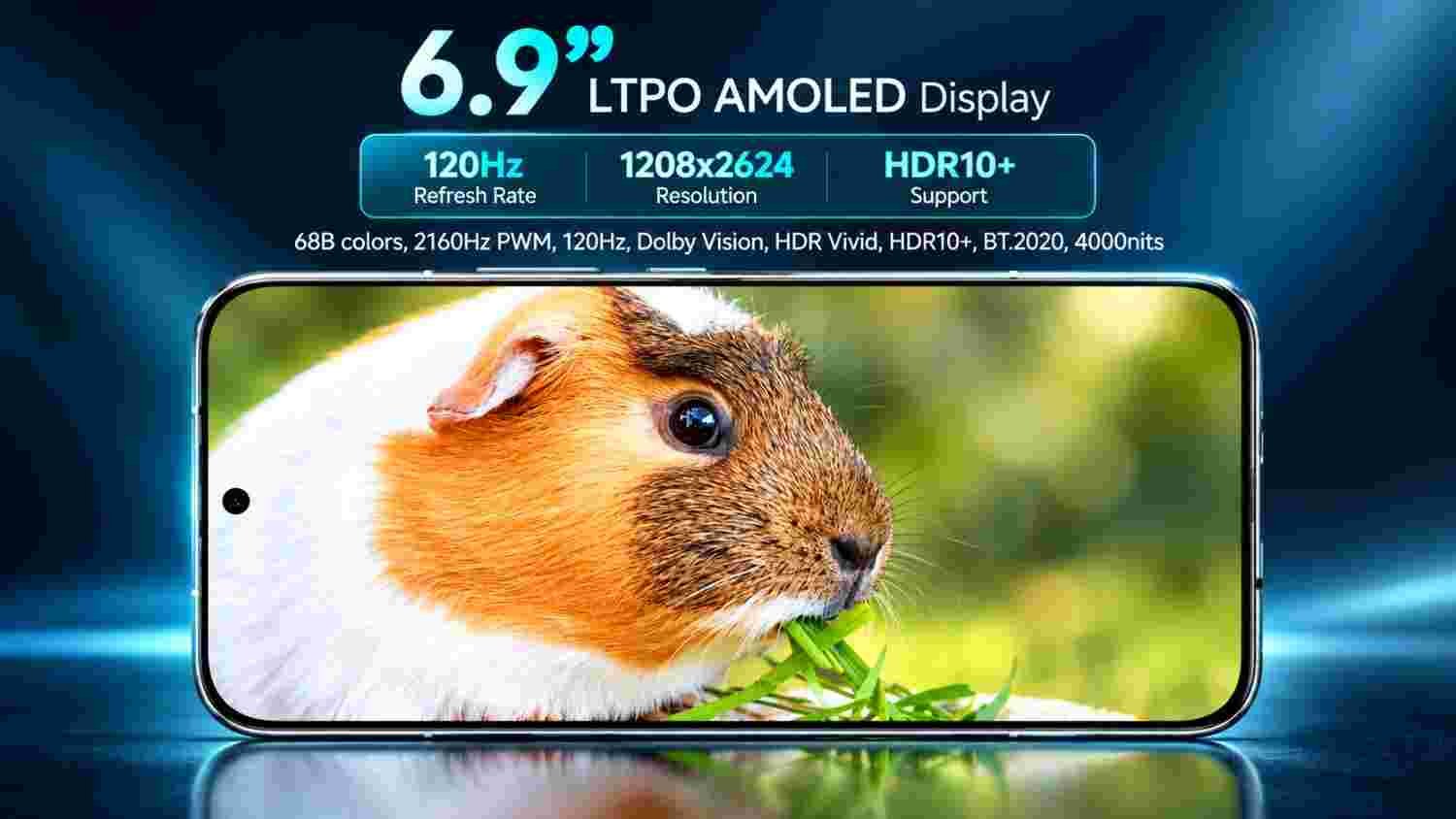
| Main Display | 6.9-inch LTPO AMOLED, 2624 × 1208 pixels, 1-120Hz, 4,000 nits peak |
| Rear Display | 2.9-inch AMOLED, 976 × 596 pixels, 120Hz, 4,000 nits peak |
| Processor | Snapdragon 8 Elite Extreme Gen 6, 2nm, octa-core up to 5.0GHz |
| GPU | Adreno 850 |
| RAM | 12GB / 16GB LPDDR5X |
| Storage | 256GB / 512GB / 1TB UFS 4.1 |
| Main Camera | 200MP Leica, f/1.7, OIS, Light Hunter 960L sensor |
| Telephoto | 200MP Leica periscope, f/2.4, OIS, 3.2x optical, 75mm equivalent |
| Ultra-wide | 50MP Leica, f/2.4 |
| Selfie | 50MP, f/2.2 |
| Battery | 8,500mAh (global) / 8,000mAh (China), silicon-carbon |
| Charging | 100W wired, 50W wireless, 27W reverse wireless |
| OS | HyperOS 4 based on Android 17 |
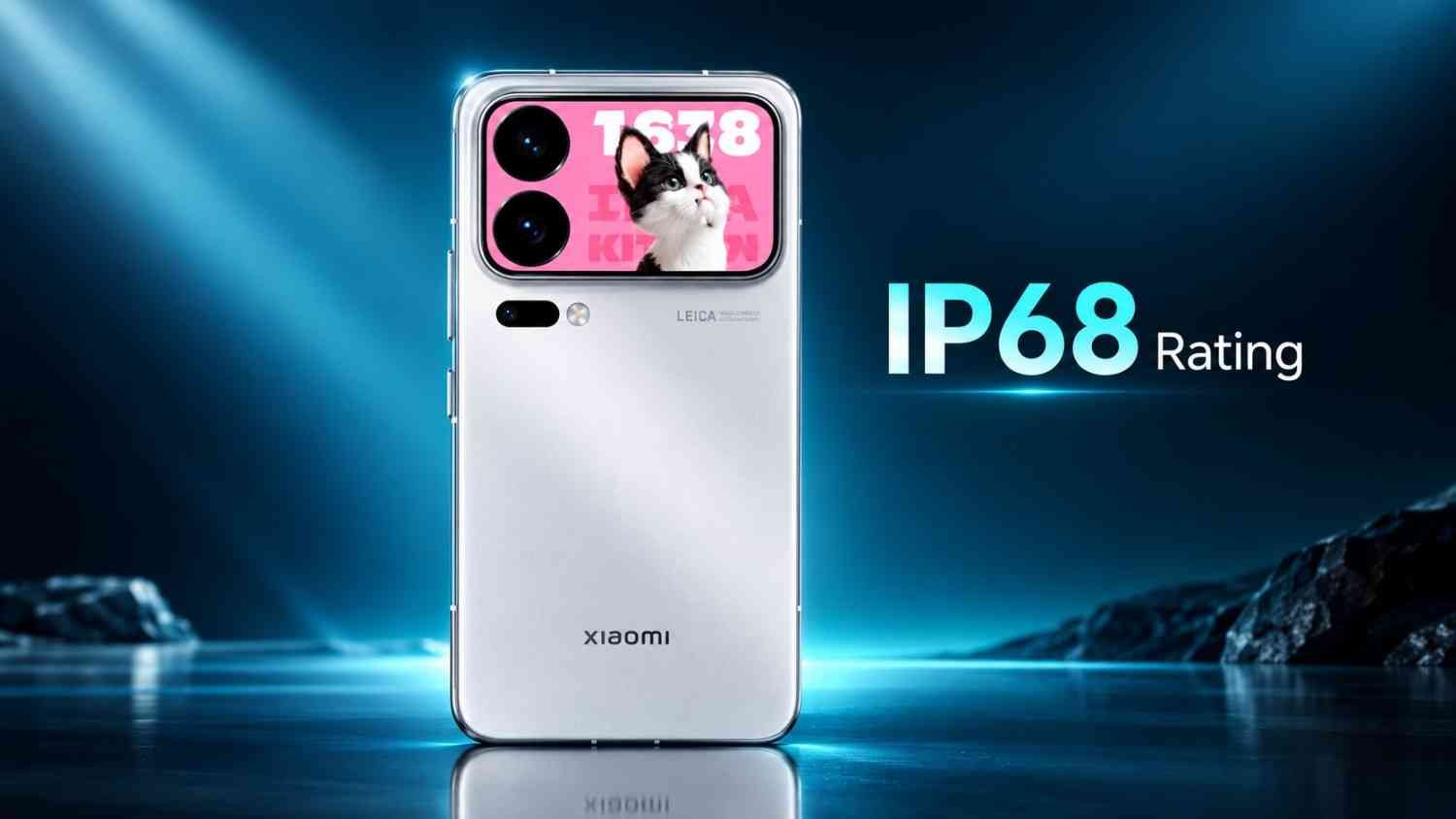
| Water/Dust Resistance | IP66 + IP68 + IP69 |
| Speakers | Triple stereo speakers (exclusive to Pro Max) |
| Dimensions | 163.39 × 77.6 × 8.39mm (fiberglass) / 8.47mm (glass) |
| Weight | 235g (fiberglass) / 240g (glass) |
| Colors | Black, White, Icy Peach Pink, Galaxy Blue, Transparent Edition |
Source: PhoneArena, Beebom.
Design and Build: Heavy, But It Earns the Weight
At 235 grams, the Xiaomi 18 Pro Max is not a light phone. The Galaxy S26 Ultra weighs 214g. The iPhone 18 Pro Max sits around 225g. You’ll feel the difference the moment you pick it up.
But here’s the thing: the weight comes from the 8,500mAh battery, and Xiaomi has done a decent job distributing it. The micro-arc quad-curved frame makes the phone feel balanced in the hand, even though it’s undeniably dense. It’s thick, too — 8.39mm for the fiberglass models, 8.47mm for the glass and transparent versions.
The Transparent Edition is the one people will notice. Xiaomi revived its transparent back panel design — last seen on the Mi 10 Ultra — for the 18 Pro Max. It shows off the internal components, including the massive battery and the Leica camera module. It’s a bold choice that no other flagship offers right now.
Build quality is excellent. Xiaomi uses its own Dragon Crystal Glass 3.0 instead of Gorilla Glass, and the phone carries IP66 + IP68 + IP69 ratings. That IP69 rating means it can survive high-pressure, high-temperature water jets — something most flagships can’t handle.
Sources: Xiaomi Official, PhoneArena.
Display and Privacy Screen: The Feature That Actually Surprised Me
Xiaomi’s privacy display isn’t a gimmick. It’s the most interesting display technology I’ve seen on an Android phone this year.
Here’s how it works: the panel uses alternating sets of pixels. Half are standard wide-angle pixels. The other half are “privacy pixels” with microscopic physical baffles on their sides that restrict the viewing angle. When privacy mode is off, both sets light up and the display behaves like a normal flagship OLED. When you turn privacy mode on, the standard pixels shut off. From straight on, you see a perfectly normal screen. But at angles beyond 60 degrees, side brightness drops to roughly 1% — the screen looks almost pitch black to anyone trying to peek.
What makes Xiaomi’s approach different from Samsung’s is the trigger system. You can activate privacy mode manually, but you can also set it to turn on automatically based on your location. Walking into a crowded train station? Privacy mode kicks in. Sitting at home? It stays off. The front camera can also detect when someone is looking over your shoulder and suggest enabling it.
Both the main display and the 2.9-inch rear display hit 4,000 nits peak brightness, which is among the highest in any smartphone. The main display supports Dolby Vision, HDR10+, and HDR Vivid. The bezels are under 1mm on all four sides.
Sources: Android Authority, Android Central, Yahoo Tech.
Dual 200MP Leica Camera: What Each Lens Actually Does
Two 200MP cameras on one phone is unusual. Xiaomi isn’t just throwing megapixels at the wall — the sensor sizes matter here.
| Camera | Sensor | Best For |
|---|---|---|
| Main | 200MP Leica, f/1.7, OIS, 1/1.28-inch sensor | Daylight detail, portraits, low light, cropping |
| Telephoto | 200MP Leica periscope, f/2.4, OIS, 1/1.56-inch sensor, 3.2x optical | Portraits, distant subjects, macro (12cm focus) |
| Ultra-wide | 50MP Leica, f/2.4 | Landscapes, architecture, group photos |
| Selfie | 50MP, f/2.2 | Video calls, selfies |
The 200MP main sensor uses Xiaomi’s Light Hunter 960L sensor with LOFIC technology. That’s a fancy way of saying it can handle extremely bright and dark parts of a scene at the same time without blowing out highlights. The dynamic range hits 16.2EV in a single frame — that’s better than most dedicated cameras.
The 200MP periscope telephoto is arguably the more impressive lens. It uses a 1/1.56-inch sensor, which is larger than the main sensors on most flagship phones from two years ago. It offers 3.2x optical zoom (75mm equivalent) and can focus on objects as close as 12cm for macro shots. Xiaomi says it captures 83% more light than the telephoto on the Xiaomi 17 Pro Max.
Xiaomi has also introduced a new imaging engine called “Legendary Moment” that uses a large AI model trained on millions of photos. The goal is more natural-looking images with optical-style background blur, rather than the over-processed look some phones produce.
Sources: GSMArena, Notebookcheck, Xiaomi Official.
8,500mAh Battery: How Big Is That Really?
The Xiaomi 18 Pro Max has the largest battery in any mainstream flagship right now — 8,500mAh in global markets, 8,000mAh in China. That’s not marketing spin. Here’s the comparison:
| Phone | Battery Capacity | Charging |
|---|---|---|
| Xiaomi 18 Pro Max (global) | 8,500mAh | 100W wired, 50W wireless |
| Xiaomi 18 Pro Max (China) | 8,000mAh | 100W wired, 50W wireless |
| Samsung Galaxy S26 Ultra | 5,000mAh | 45W wired, 15W wireless |
| iPhone 18 Pro Max | ~5,400mAh | 40W wired, 25W wireless |
That’s 70% more capacity than the Galaxy S26 Ultra. In real-world terms, this means most people will get two full days of use without charging. Even heavy users — people who stream video, play games, and use GPS for hours — will likely finish a day with 30-40% battery remaining.
The battery uses Xiaomi’s next-generation silicon-carbon chemistry, which packs more energy into the same physical space. Charging speeds are also strong: 100W wired gets you from 0% to 50% in about 19 minutes, and a full charge takes roughly 42 minutes. Wireless charging at 50W is faster than most phones’ wired charging.
Sources: Notebookcheck, Xiaomi Official.
Performance: Snapdragon 8 Elite Extreme Gen 6
The Xiaomi 18 Pro Max is the first phone to ship with Qualcomm’s Snapdragon 8 Elite Extreme Gen 6 — a 2nm chipset with a peak clock speed of 5.0GHz. That’s the highest clock speed ever in a smartphone processor.
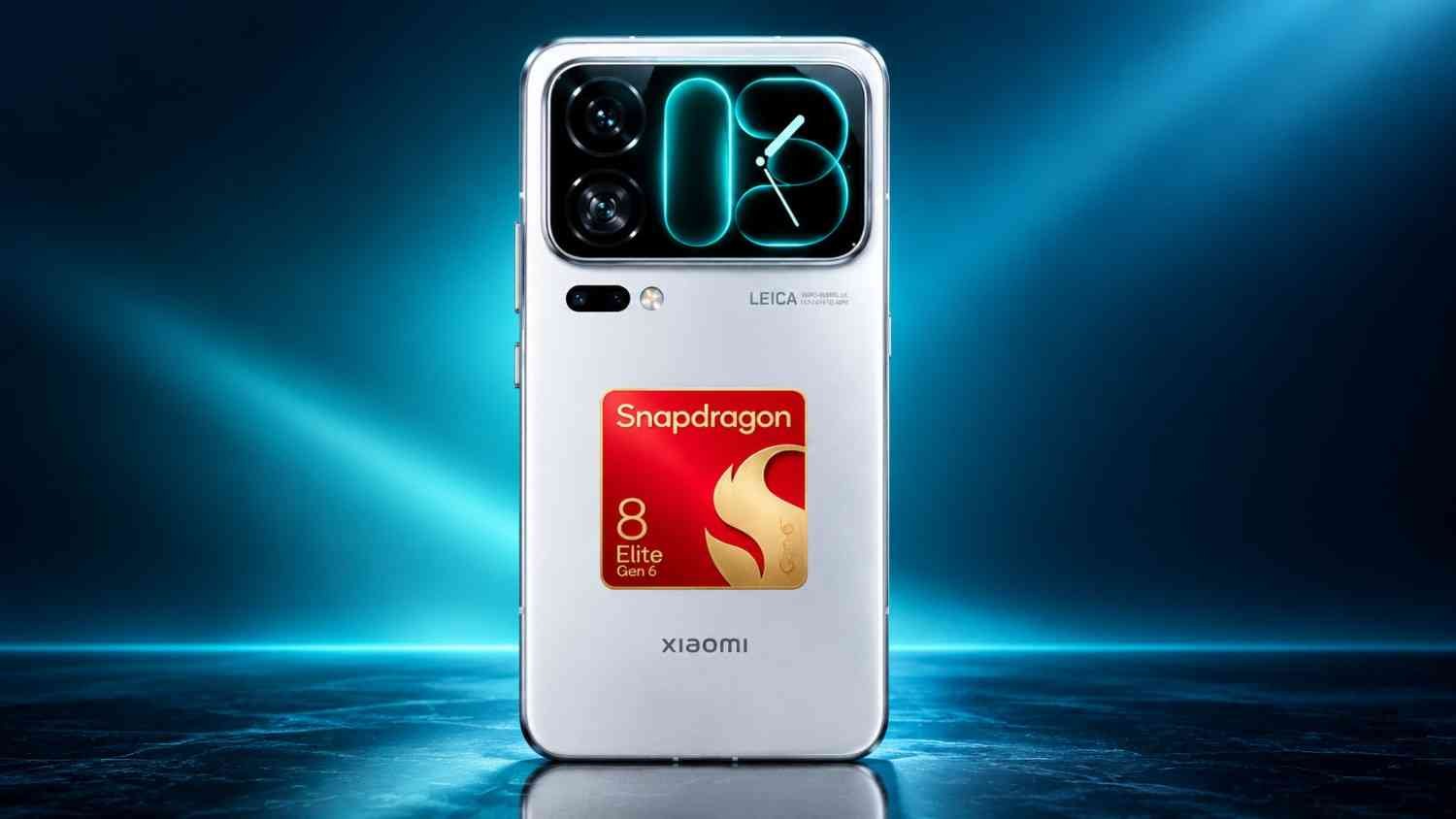
Xiaomi claims meaningful performance gains over the previous generation:
- CPU: Up to 5.0GHz, Qualcomm’s 4th-gen Oryon architecture
- GPU: 35% higher performance with 40% lower power consumption
- NPU: 80% improvement in AI inference performance
- Overall: 15% increase in computing power
To handle the heat, Xiaomi uses OFFSET PoP chip packaging and a ring-shaped cold pump cooling system. In early testing, the phone maintained steady performance during extended gaming sessions without the aggressive throttling that plagues some flagships.
Sources: Beebom, Xiaomi Official.
HyperOS 4 and AI Features: The Apple Connection
HyperOS 4 is based on Android 17, but the most interesting part has nothing to do with Android. Xiaomi has built deep cross-ecosystem compatibility with Apple devices.
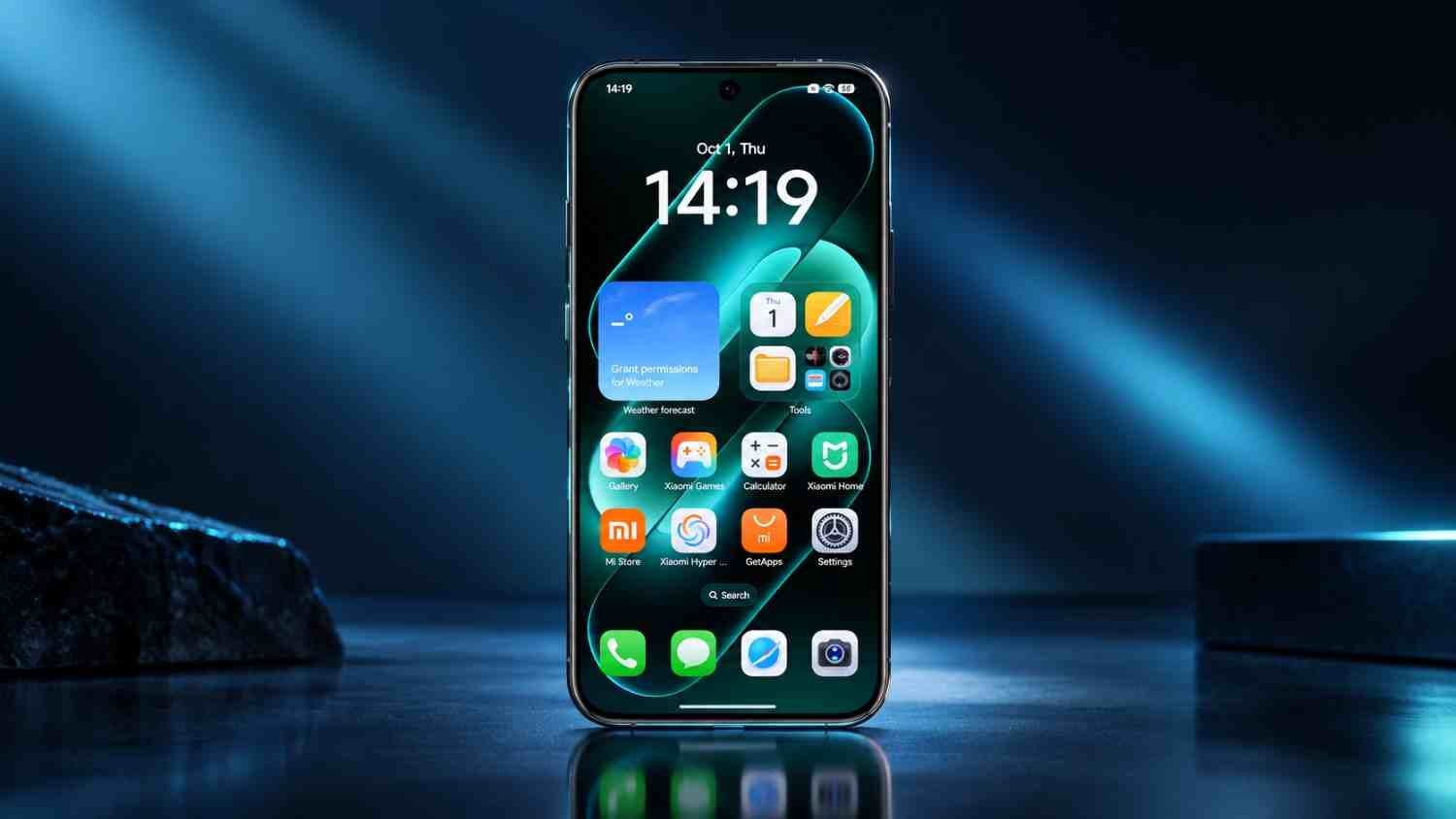
Here’s what actually works: you can share photos, files, contacts, and web pages between a Xiaomi phone and an iPhone using a feature that works with AirDrop. You can view iCloud photo albums from your Xiaomi phone. Notifications sync in both directions — you can read and reply to messages from either device. And Mac and iPad owners can control their Xiaomi phone from the larger screen using the Mi Connect Desktop app.
This is the most significant cross-platform integration any Android manufacturer has attempted. It doesn’t make switching from an iPhone completely seamless, but it removes a major barrier.
The rear display also got smarter. Xiaomi calls it an “AI Variable Rear Display” — you can generate custom app cards, wallpapers, and mini-apps using AI prompts. At launch, there are over 100 pre-built app cards covering everything from timers to pet animations.
Xiaomi 18 Pro Max vs Galaxy S26 Ultra vs iPhone 18 Pro Max
This is the three-way fight that matters most for premium buyers. All three are 2026 flagships with different philosophies: Samsung bets on software polish and display resolution, Apple bets on ecosystem lock-in and video, and Xiaomi bets on raw hardware — bigger battery, bigger camera sensors, faster chip.
| Feature | Xiaomi 18 Pro Max | Galaxy S26 Ultra | iPhone 18 Pro Max |
|---|---|---|---|
| Display | 6.9″ LTPO AMOLED, 2624×1208, 120Hz | 6.9″ Dynamic AMOLED, 3120×1440, 120Hz | 6.9″ LTPO OLED, 2868×1320, 120Hz |
| Processor | SD 8 Elite Extreme Gen 6 (2nm, 5.0GHz) | SD 8 Elite Gen 5 for Galaxy (3nm, 4.74GHz) | A20 Pro (3nm, ~4.2GHz) |
| Main Camera | 200MP Leica, f/1.7 | 200MP, f/1.7 | 48MP, f/1.6 |
| Telephoto | 200MP periscope, 3.2x optical | 50MP 5x periscope + 10MP 3x | 12MP 5x periscope |
| Battery | 8,500mAh (global) | 5,000mAh | ~5,400mAh |
| Wired Charging | 100W | 45W | 40W |
| Wireless Charging | 50W | 15W | 25W |
| Rear Display | Yes (2.9-inch) | No | No |
| Weight | 235g | 214g | ~225g |
| Starting Price | ¥6,999 (~₹87,000) | ~₹1,29,999 | ~₹1,49,900 |
Where each phone wins
| What matters to you | Best choice | Why |
|---|---|---|
| Battery life | Xiaomi 18 Pro Max | 8,500mAh vs 5,000mAh and 5,400mAh — not even close |
| Charging speed | Xiaomi 18 Pro Max | 100W wired + 50W wireless vs 45W/40W and 15W/25W |
| Display sharpness | Galaxy S26 Ultra | 3120×1440 vs 2624×1208 (Xiaomi) and 2868×1320 (iPhone) |
| Camera zoom | Xiaomi 18 Pro Max | 200MP periscope telephoto is unmatched in resolution |
| Video recording | iPhone 18 Pro Max | Apple still leads in video stabilization and ProRes |
| Software polish | iPhone 18 Pro Max | iOS is more consistent and has longer update support |
| S-Pen / stylus | Galaxy S26 Ultra | Only phone with built-in stylus support |
| Value for money | Xiaomi 18 Pro Max | ~₹87,000 vs ₹1,29,999 and ₹1,49,900 |
Sources: Smartprix, PhoneArena, PhoneArena (Xiaomi specs).
Xiaomi 18 Pro Max vs OnePlus 15 vs Google Pixel 10 Pro XL
If you’re not locked into Samsung or Apple, these are the three phones you should be comparing. Each takes a different approach to the “big flagship” formula.
| Feature | Xiaomi 18 Pro Max | OnePlus 15 | Pixel 10 Pro XL |
|---|---|---|---|
| Display | 6.9″ LTPO, 2624×1208, 120Hz | 6.82″ LTPO, 3168×1440, 120Hz | 6.8″ LTPO, 2992×1344, 120Hz |
| Processor | SD 8 Elite Extreme Gen 6 (5.0GHz) | SD 8 Elite Gen 5 (4.32GHz) | Google Tensor G5 |
| Main Camera | 200MP Leica | 50MP Hasselblad | 50MP |
| Battery | 8,500mAh | 7,300mAh | 5,200mAh |
| Weight | 235g | ~211g | 232g |
| Software | HyperOS 4 (Android 17) | OxygenOS 16 (Android 17) | Android 16 (Pixel UI) |
| Starting Price | ~₹87,000 | ~₹69,999 | ~$999 (₹83,000) |
Quick take
The OnePlus 15 is the value pick here — it’s significantly cheaper, lighter, and still delivers a 1440p display and 7,300mAh battery. If you don’t need the dual 200MP cameras or the privacy screen, it’s hard to justify the Xiaomi’s price premium.
The Pixel 10 Pro XL is for people who value Google’s software AI features (call screening, magic editor, etc.) over raw hardware. Its battery is the smallest of the three, and its Tensor chip isn’t in the same performance league as the Snapdragon options.
The Xiaomi 18 Pro Max sits in the middle on price but leads on hardware — battery, charging, and camera resolution. If those three things matter most, it’s worth the premium.
Sources: Smartprix, PhoneArena.
Xiaomi 18 Pro Max vs vivo X200 Ultra vs OPPO Find X9 Pro
For camera enthusiasts, these three Chinese flagships represent the absolute peak of mobile photography hardware in 2026. The differences here come down to sensor philosophy and processing approach.
| Feature | Xiaomi 18 Pro Max | vivo X200 Ultra | OPPO Find X9 Pro |
|---|---|---|---|
| Main Camera | 200MP Leica, 1/1.28″ | 50MP, 1/1.12″ | 200MP, 1/1.4″ |
| Telephoto | 200MP periscope, 3.2x | 200MP periscope, 3.7x | 50MP periscope, 3x |
| Ultra-wide | 50MP | 50MP | 50MP |
| Battery | 8,500mAh | 6,000mAh | 7,500mAh |
| Charging | 100W wired, 50W wireless | 90W wired, 40W wireless | 80W wired, 50W wireless |
| Processor | SD 8 Elite Extreme Gen 6 | SD 8 Elite Gen 5 | Dimensity 9500 |
| Display | 6.9″ LTPO, 2624×1208 | 6.82″ LTPO, 3168×1440 | 6.78″ LTPO, 2772×1272 |
| Camera Brand | Leica | ZEISS | Hasselblad |
The vivo X200 Ultra has the largest main camera sensor (1/1.12-inch), which gives it a slight edge in low-light photography. It also has a higher-resolution display. But its battery is significantly smaller at 6,000mAh, and it’s not available in as many global markets as the Xiaomi.
The OPPO Find X9 Pro is the most balanced of the three — a 200MP main camera, a 7,500mAh battery, and 80W charging. It’s also the lightest at 224g. But its telephoto resolution lags behind the Xiaomi and vivo.
If you want the best camera hardware on paper, the Xiaomi and vivo are neck-and-neck. If you want the best battery life, the Xiaomi wins clearly.
Sources: Smartprix, PhoneArena.
Xiaomi 18 Pro Max vs Xiaomi 18 Pro: Which One Should You Buy?
This comparison matters most if you’re in a market where only the Xiaomi 18 Pro is officially available — like India, where reports suggest the Pro Max may be skipped.
| Feature | Xiaomi 18 Pro Max | Xiaomi 18 Pro |
|---|---|---|
| Display | 6.9-inch LTPO AMOLED, 2624×1208 | 6.4-inch LTPO AMOLED, 2436×1120 |
| Main Camera | 200MP Leica, 1/1.28″ sensor | 50MP Leica |
| Telephoto | 200MP periscope, 1/1.56″ sensor | 50MP periscope |
| Battery | 8,500mAh (global) / 8,000mAh (China) | 7,000mAh |
| Processor | SD 8 Elite Extreme Gen 6 (5.0GHz) | SD 8 Elite Gen 5 (4.32GHz) |
| Weight | 235g | ~195g |
| Starting Price | ¥6,999 (~₹87,000) | ~¥4,999 (~₹62,000 est.) |
The Xiaomi 18 Pro is the more compact, more affordable option. It uses the standard Snapdragon 8 Elite Gen 6 (not the Extreme variant), has a 6.4-inch display, and a 50MP main camera instead of the 200MP unit. But it still has a 7,000mAh battery — which is enormous for a phone of its size — and it’s significantly lighter at around 195g.
If you want the absolute best camera and battery life, the Pro Max is the clear choice. If you prefer a phone that’s easier to hold and costs less, the Pro is the better buy. And if you’re in India, the Pro may be your only option.
Source: PhoneArena, Beebom.
Xiaomi 18 Pro Max Global vs China: Key Spec Differences
One thing that isn’t widely reported: the Xiaomi 18 Pro Max has different specifications in China versus global markets. If you’re planning to import a China unit or wait for the global release, here’s what changes:
| Specification | China Version | Global Version |
|---|---|---|
| Battery | 8,000mAh | 8,500mAh |
| Weight | 235g (fiberglass) | 235g (fiberglass) |
| Software | HyperOS 4 (China) | HyperOS 4 (Global) with Google services |
| Colors | Black, White, Icy Peach Pink, Galaxy Blue, Transparent | Black, White, Icy Peach Pink, Galaxy Blue |
| 5G Bands | China-specific bands | Expanded global bands |
The most important difference: the global model has a 500mAh larger battery (8,500mAh vs 8,000mAh). This is unusual — typically it’s the other way around, with China getting slightly better specs. But Xiaomi appears to have prioritized battery capacity for international buyers, possibly to compensate for different 5G band usage or software optimization differences.
The global model also ships with Google services pre-installed and supports a wider range of 5G bands for international carriers. If you’re importing a China unit to use outside China, be aware that some bands may not be supported.
Sources: Notebookcheck, Beebom.
Xiaomi 18 Pro Max Real-World Verdict
Specifications tell you what’s inside the phone. They don’t tell you what it’s like to live with. Based on early hands-on impressions from reviewers and the hardware itself, here’s how the Xiaomi 18 Pro Max stacks up in practical terms.
Overall editorial assessment: The Xiaomi 18 Pro Max is the most technically impressive Android phone of 2026. The dual 200MP Leica cameras, the 8,500mAh battery, and the Snapdragon 8 Elite Extreme Gen 6 put it ahead of the Galaxy S26 Ultra in several key areas. The privacy display is a genuine innovation, and the cross-ecosystem compatibility with Apple is something no other Android maker has attempted.
The trade-offs are weight (235g is heavy), display resolution (2624×1208 is lower than the S26 Ultra’s 3120×1440), and software polish (Samsung’s One UI is still more refined in some areas). But if battery life and camera hardware are your priorities, the Xiaomi 18 Pro Max is the better choice.
Xiaomi 18 Pro Max: Best Features vs Biggest Compromises
What We Like
- Dual 200MP Leica cameras — a first for any flagship
- 8,500mAh battery lasts two full days
- Snapdragon 8 Elite Extreme Gen 6 is blazing fast
- Privacy display is genuinely useful
- HyperOS 4 with Apple cross-compatibility
- 4,000 nits peak brightness on both displays
- 100W wired + 50W wireless charging
- IP66 + IP68 + IP69 protection
Things to Consider
- 235g is noticeably heavy
- Display resolution lower than Galaxy S26 Ultra
- Software polish still catching up to Samsung
- May not launch in India
- Global pricing likely higher than China
- No S-Pen support
What the Xiaomi 18 Pro Max doesn’t have
In the interest of transparency, here’s what you won’t get:
- S-Pen support: Unlike the Galaxy S26 Ultra, there’s no stylus integration
- QHD+ resolution: The main display is 2624×1208 — lower pixel density than the S26 Ultra
- Lightweight design: 235g is heavier than most competitors
- Guaranteed India availability: Reports suggest the Pro Max may skip India
Who Should Buy the Xiaomi 18 Pro Max?
Buy it if you…
- Want the best camera hardware on any Android phone
- Need battery life that lasts two full days
- Want the fastest Android processor available
- Value the privacy display for sensitive apps
- Want to use your Xiaomi phone with Apple devices
- Are comfortable with a heavier phone
Skip it if you…
- Want the most polished software — Samsung still wins
- Prefer a lighter phone (S26 Ultra is 21g lighter)
- Need S-Pen support
- Want QHD+ display resolution
- Live in India and need an officially available model
- Want a phone with guaranteed long-term resale value
Should you buy now or wait?
If you’re in China, the Xiaomi 18 Pro Max is available now. If you’re in a global market, the phone launches in November. If you’re in India, you’ll need to wait for official confirmation — but reports suggest the Pro Max may not come to India at all. In that case, the Xiaomi 18 Pro is your best bet.
Frequently Asked Questions
The Xiaomi 18 Pro Max starts at CNY 6,999 (approximately $1,042 or ₹87,000) for the 12GB RAM + 256GB storage variant in China. Higher variants with 512GB and 1TB storage cost more. See PhoneArena for the full pricing table.
Reports indicate the Xiaomi 18 Pro Max may not launch in India. Xiaomi is reportedly planning to bring only the Xiaomi 18 Pro to India, with the Pro Max excluded from the India lineup. Official confirmation is still awaited. See My Mobile India for the full report.
The Xiaomi 18 Pro Max features a 6.9-inch LTPO AMOLED main display, a 2.9-inch AMOLED rear display, Snapdragon 8 Elite Extreme Gen 6 chipset, dual 200MP Leica cameras, a 50MP ultra-wide camera, an 8,500mAh battery with 100W wired and 50W wireless charging, and runs HyperOS 4 based on Android 17. See Xiaomi Official for full specs.
Yes, the Xiaomi 18 Pro Max has two 200MP cameras — a 200MP main camera with f/1.7 aperture and a 200MP periscope telephoto with f/2.4 aperture and 3.2x optical zoom. There is also a 50MP ultra-wide camera and a 50MP front-facing selfie camera. See GSMArena for camera details.
The Xiaomi 18 Pro Max has an 8,500mAh battery in global markets and 8,000mAh in China. It supports 100W wired charging, 50W wireless charging, and 27W reverse wireless charging. See Notebookcheck for battery details.
The Xiaomi 18 Pro Max features a hardware-level privacy display that narrows viewing angles when activated, preventing people around you from seeing your screen. It can be triggered by location, AI-based onlooker detection, or a dedicated AI button. See Android Authority for a detailed explanation.
The Xiaomi 18 Pro Max has a larger 8,500mAh battery vs 5,000mAh on the Galaxy S26 Ultra, a faster 5.0GHz processor vs 4.74GHz, and dual 200MP cameras. The Galaxy S26 Ultra has a higher resolution display (3120×1440 vs 2624×1208) and is lighter (214g vs 235g). See Smartprix for a full comparison.
HyperOS 4 is Xiaomi’s new operating system based on Android 17. It debuted on the Xiaomi 18 Pro Max and includes cross-ecosystem compatibility with Apple devices — allowing photo, file, contact, and message sync with iPhone, Mac, and iPad. It also features AI-powered tools like Super XiaoAi 2.0 and the AI rear display. See Pandaily for details.
Sources & References
- Xiaomi Official — Xiaomi 18 Pro Max product page — Full official specifications, pricing, and color options
- PhoneArena — Full spec sheet, pricing, and feature analysis
- Notebookcheck — Battery capacity and processor details
- Beebom — Global vs China spec differences and full specifications
- GSMArena — Camera sensor details and LOFIC technology
- Android Authority — Privacy display pixel-level architecture analysis
- Android Central — Privacy screen triggers and rear display features
- Pandaily — HyperOS 4 Apple cross-compatibility details
- Smartprix — India availability report
- My Mobile India — India launch roadmap report
- PhoneArena (Comparison) — Galaxy S26 Ultra vs Xiaomi 18 Pro Max
- Smartprix (Comparison) — Pixel 10 Pro XL vs Xiaomi 18 Pro Max
- PhoneArena (Comparison) — vivo X200 Ultra vs Xiaomi 18 Pro Max
Looking for More Smartphone Guides?
We track the latest flagship launches, prices, and specifications across India and global markets. Check our best flagship phones guide for more comparisons.
Explore Smartphone GuidesRead More: